Brazil’s betting ban talk would strengthen the illegal market, not shrink it

President Luiz Inácio Lula da Silva has stepped up calls to ban sports betting in Brazil, even though his own government regularized the sector in 2023. For PSPs, acquirers, and banks, the real issue is simpler: when licensed rails disappear, demand does not vanish — it moves to unlicensed operators.
- VEJA Negócios argues that banning legalized bets would be a “false solution” because Brazil’s federal enforcement has already failed to block illegal sites that remain online. In practice, taking away authorized platforms would not end betting demand; it would shift players toward operators that do not pay taxes, have no local headquarters, create no formal jobs, and follow no consumer protection rules.
- The scale of betting in household budgets is smaller than the public debate suggests. According to an estimate by LCA, legal and illegal betting together account for less than 0.5% of total Brazilian household consumption. LCA also put the authorized operators’ gross revenue at R$ 37 billion in 2025, comparing it with almost R$ 70 billion spent on streaming services and roughly R$ 700 billion consumed by revolving credit card interest.
- Brazil already has a regulatory framework in force. Law 14.790, enacted in December 2023, set the sector’s rules. Since January 2025, only Brazilian companies authorized by the Secretaria de Prêmios e Apostas of the Ministry of Finance may operate nationwide, using the .bet.br domain. Each licensed operator paid a R$ 30 million authorization fee.
- The authorized operators must collect taxes, identify bettors, monitor suspicious transactions, are barred from accepting credit card bets, and need to maintain reserves to pay prizes. That is the part that matters to payment providers: the regulated market creates traceable flows and compliance obligations, while the illegal one does not.
- The illegal market remains material. A study by LCA and Instituto Locomotiva estimates that in the first half of 2026, between 38% and 44% of online bets took place on illegal platforms. The previous estimate ranged from 41% to 51%, so the share has fallen, but not enough to make the underground market disappear.
- Enforcement has increasingly focused on financial tracing. Between August 2025 and August 2026, ten major police operations against illegal betting covered at least 16 states and the Federal District. Investigators found setups using fintechs, payment intermediaries, shell companies, and third-party accounts. In six cases, there were links to drug trafficking or groups such as PCC and Comando Vermelho.
For high-risk payment businesses, the practical takeaway is that Brazil is not a “betting yes or no” market. It is a licensing, monitoring, and payment-routing market — and the policy question is whether activity stays inside rails that can be supervised, or shifts back to channels that cannot.
Related news
All news →
Lula says Brazil wants to study Uruguay’s sports betting rules, but Uruguay’s model is a closed monopoly

Polymarket Faced a $10 Million Fraud Attempt, Blocking More Than 80% of Deposits at One Point
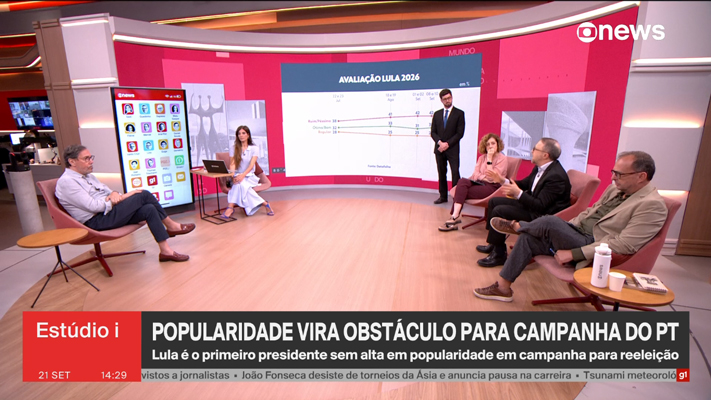
GloboNews panel criticizes Lula’s plan to ban sports betting in Brazil ahead of expected decree
Weekly high-risk digest
Regulation, sanctions and payment news across your verticals — once a week, free.
Please check your inbox and click the link to confirm your subscription.
Please enter a valid email address!