Germany’s gambling regulator faces questions over whether it applies one evidentiary standard or two
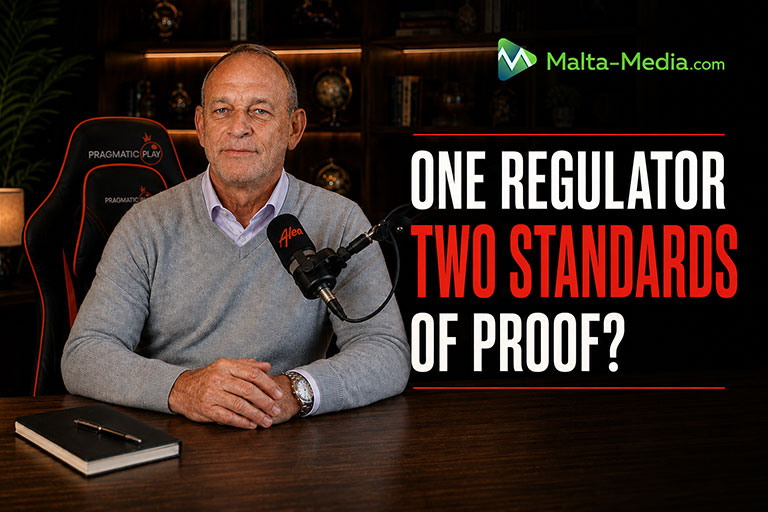
Germany’s Gemeinsame Glücksspielbehörde der Länder (GGL) has spent the past few years demanding strict compliance from licensed operators. The issue raised by Malta Media is not that the regulator is tough, but that the standard of proof seems to shift depending on the case, which matters for any high-risk operator dealing with licensing, enforcement and payment flows.
- The GGL expects licensed operators to document ownership structures, technical systems, payment flows, customer protection measures and other parts of their business that may concern the regulator. In a sector handling player funds, personal data and products that can cause serious harm, that level of scrutiny is not the controversy here.
- Malta Media points to several cases that, taken separately, can each be explained. One involves information supplied by Dr. Damir Böhm during the Bet3000 proceedings in July 2024, which the GGL relied upon in court on the same day it was received, even though Dr. Böhm invited the authority to verify it. Another concerns Lottoland Deutschland, where the GGL publicly referred to the absence of “gerichtsfesten Nachweise” — court-proof evidence — when questions were raised about a possible economic relationship with the international Lottoland group.
- A third set of examples concerns allegedly illegal or unlicensed gambling websites. Here, Malta Media says detailed screenshots, German accessibility tests, account activity and technical comparisons can still leave outsiders asking what level of certainty is required before visible enforcement follows.
- The article does not claim the GGL acted unlawfully, favoured one company or deliberately applied different legal standards. It does say the documents raise a practical question: does Germany have one coherent evidentiary philosophy for gambling supervision, or does the threshold move depending on the case in front of the authority?
- For licensed operators and payment providers, that distinction is not academic. A regulator can be strict and still predictable if everybody understands the rules. The problem starts when one operator faces immediate consequences on information still requiring verification while another situation appears to demand evidence strong enough to survive a courtroom before decisive action becomes visible.
Germany’s controlled model under the Glücksspielstaatsvertrag 2021 is built on the idea that gambling supervision should be strict. For PSPs, acquirers and banking partners, the practical question is simpler: when does the GGL treat a case as actionable, and what level of evidence does it require before moving from investigation to enforcement?
Related news
All news →/https://i.s3.glbimg.com/v1/AUTH_59edd422c0c84a879bd37670ae4f538a/internal_photos/bs/2023/I/R/uA4ElVTL2spqsJDC30fg/2023-06-07t190038z-776512739-rc2ie1agsplv-rtrmadp-3-usa-sec-coinbase.jpg)
Bitget’s R$ 1.86 billion theft lands among the biggest crypto heists on record
/https://i.s3.glbimg.com/v1/AUTH_da025474c0c44edd99332dddb09cabe8/internal_photos/bs/2026/U/B/NH0uHEQtmnFndtEzlZMg/116364152-politica-sao-paulo-sp-25-09-2026-presidente-lula-e-ministros-anuncia-o-fim-das-bets.-1-.jpg)
Brazil’s betting operators plan legal and political pushback after Lula’s ban order reaches the STF and Congress
/https://i.s3.glbimg.com/v1/AUTH_da025474c0c44edd99332dddb09cabe8/internal_photos/bs/2026/L/J/OZVMngRe2FvPpOEnH7Vg/montagem-1790386347219.jpg)
Brazil’s government plans meeting with football clubs after betting ban, as sponsorship losses hit the Serie A
Weekly high-risk digest
Regulation, sanctions and payment news across your verticals — once a week, free.
Please check your inbox and click the link to confirm your subscription.
Please enter a valid email address!