Kenya’s M-Pesa, Fuliza, and the payment rails behind a $2 billion betting market
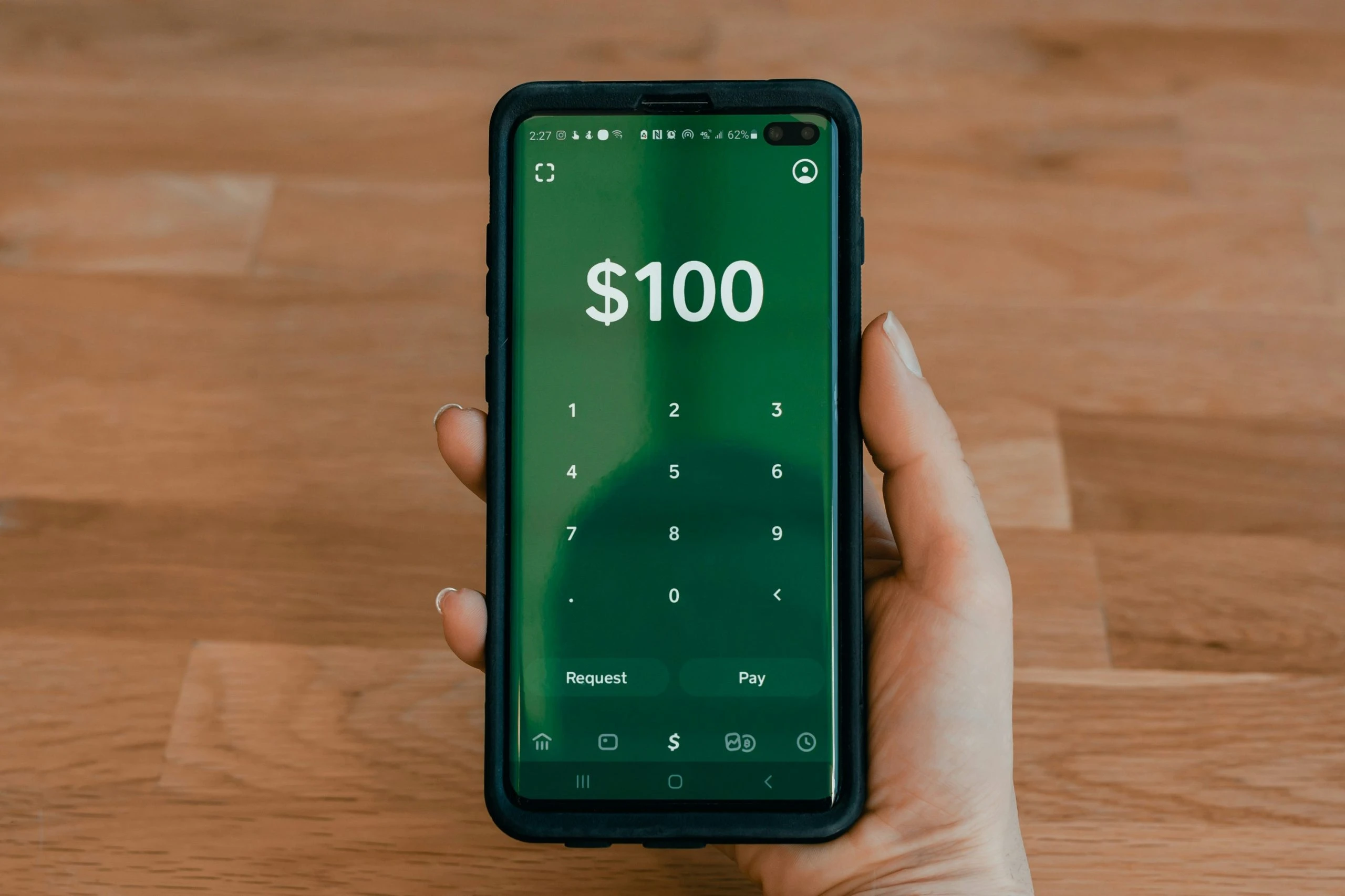
Safaricom’s Fuliza overdraft service showed how deeply M-Pesa sits inside Kenya’s consumer payments stack: in its first month in January 2019, users borrowed more than $60 million, and six months later cumulative borrowing had reached $800 million. For PSPs and operators, the point is not just volume; it is that one mobile-money rail became the default funding and payout layer for a market that moved $2 billion a year in online betting by 2018.
- M-Pesa launched in 2007, operated by Safaricom with backing from Vodafone and Vodacom. Its original pitch was simple: let users store and transfer value between mobile numbers via SMS, without a bank account, credit history, or proof of residence. That made it a financial on-ramp for people excluded from traditional banking, and it also gave merchants a single consumer rail to build on.
- Fuliza, launched in January 2019, is an overdraft facility for M-Pesa users who run out of digital credit. In its first month, Kenyans borrowed more than $60 million through it; six months in, cumulative borrowing reached $800 million. Depending on the band, the monthly charge could hit 60% of the value borrowed. In other words, this is not just a wallet feature. It is a credit layer sitting on top of the same payment utility.
- M-Pesa now spans seven African countries and hit 50 million customers in 2021. Samora Kariuki, founder of Frontier Fintech, estimates that each year it processes transaction volumes equivalent to close to three times Kenya’s entire GDP. His view is blunt: it is a systemic risk to the economy, and too big to be allowed to fail. For anyone underwriting settlement risk or relying on one rail for collections, that scale matters more than the brand story.
- Kenya’s online betting market reached $2 billion a year by 2018, according to government data, a hundredfold increase in five years. GeoPoll found that 96% of gamblers placed bets by mobile phone. Once payments became frictionless, mobile stopped being just a payout tool and became the market infrastructure itself.
- The commercial effect was immediate. Mifsud notes that before M-Pesa, gaming meant physical shops; one integration replaced thousands of locations and the customer acquisition costs that came with them. A direct M-Pesa integration requires a local betting licence. Operators without one route through aggregators, which adds both friction and cost. SportPesa scaled on that infrastructure before a tax dispute over stake levies forced it to temporarily exit Kenya in 2019, while MozzartBet, Betika and Betin built on the same foundation.
Felix Mulandi, Senior Gambling Professional, says M-Pesa’s dominance is not just inertia; it is a competitive advantage for the whole ecosystem. For PSPs, the practical takeaway is straightforward: in Kenya, the payment method is part of the product, the distribution, and the customer acquisition model all at once.
Related news
All news →
Weekly high-risk digest
Regulation, sanctions and payment news across your verticals — once a week, free.
Please check your inbox and click the link to confirm your subscription.
Please enter a valid email address!