Brazil’s Attorney General backs Lula’s gambling ban as licensed operators push for a pause
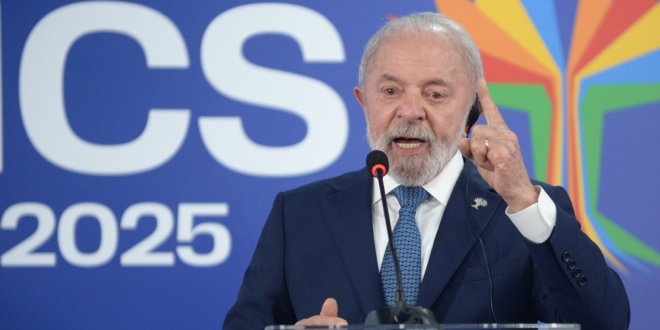
Brazil’s Attorney General, Jorge Messias, has asked the Supreme Court (STF) to hold a hearing with the Federal Public Prosecutor’s Office (PGR) before ruling on challenges to President Lula’s provisional measure banning gambling. For licensed operators and their PSPs, the important bit is simple: the government is defending the shutdown as a public-interest measure, while the market is trying to buy time.
- Messias urged Luiz Fux, a Justice of the Supreme Court, to open the discussion to the PGR, researchers, consumer protection organisations, and economically affected stakeholders, including gambling operators. In other words, the AGU is not treating this as a narrow industry dispute.
- The Attorney General Office (AGU) said the licensed sector’s proposals to temporarily lift the ban are unsubstantiated. It also argued that the urgency of the measure is justified by pressure on family budgets, debt, and public health.
- According to the AGU, Brazil’s gambling law adopted on 1 January 2024 already included a provision allowing regulated activity to be terminated if that serves the public interest. That detail matters because it gives the government a textual hook for a full stop, not just a regulatory tweak.
- On the other side, Brazil’s two largest gambling trade bodies — the National Association of Games and Lotteries (ANJL) and the Brazilian Institute of Responsible Gambling (IBJR) — have asked Fux to suspend Lula’s decree temporarily until the National Congress issues a statement on it.
- The trade bodies also want the ban briefly lifted for operators already licensed by the Secretariat of Awards and Bets (SPA), with a transition period of at least six months to wind down operations. Under Lula’s provision, enforced on 26 September, operators had until 6 October to shut down completely.
Congress is due to return after the final of the ongoing Presidential elections, with voters choosing between Lula and Flávio Bolsonaro on 25 October. The trade bodies have also cited data from the Betting Management System (Sigap) to argue that the licensed market had been expanding, which is the kind of fact pattern operators tend to bring when they want a court to see a sector as regulated commerce rather than a policy nuisance.
Related news
All news →
Winning Poker Network Makes ScreenShield the Default on Americas Cardroom From November 4

Bitget adds Kazakhstan, Russia, and Belarus to its restricted countries list

Brazil’s sudden betting ban puts more than R$ 9 billion in federal tax revenue, R$ 30 million licence fees, and billions in sponsorship contracts back in play
Weekly high-risk digest
Regulation, sanctions and payment news across your verticals — once a week, free.
Please check your inbox and click the link to confirm your subscription.
Please enter a valid email address!