Home/news/Lula in the Philippines: the gambling lesson Uruguay cannot provide
news
Lula in the Philippines: the gambling lesson Uruguay cannot provide
Payments High Risk
15 Nov 2026 · 2 min read
During Luiz Inácio Lula da Silva’s historic visit to Manila, Brazil gets a look at one of the most complete regulated gambling markets in the world: casinos, integrated resorts, lotteries, sports betting, and bingo, all under one framework. For PSPs and operators watching Brazil’s betting debate, the useful part is not the diplomacy; it is the operating model, the tax take, and the effect of banning an entire segment.
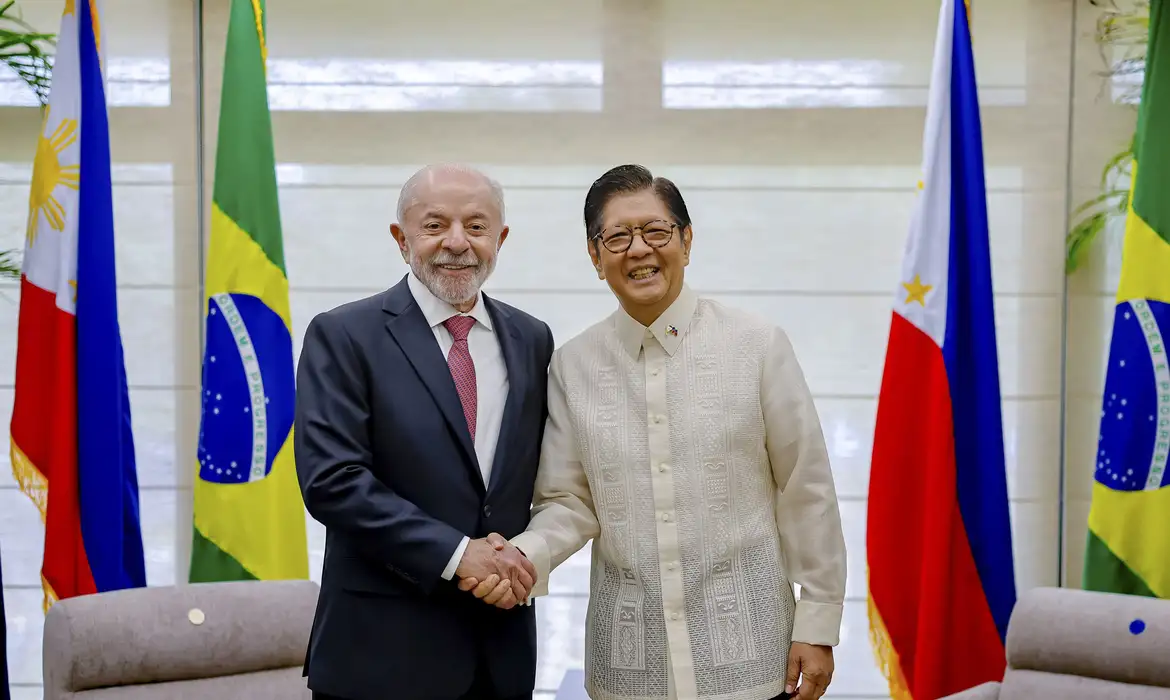
Lula is in Manila, the first visit by a Brazilian head of state to the Philippines in 80 years of diplomatic relations. His agenda with President Ferdinand Marcos Jr. includes strengthening political and economic ties, but the trip also puts him in a market where regulated gambling is not a side business; it is the system.
The comparison with Uruguay is blunt. On 21 September 2026, during Lula’s trip to New York for the UN General Assembly, he said that in his meeting with the president of Uruguay he had promised to send someone to study Uruguay’s sports betting operation. That promise was fulfilled the following month, when the president of Caixa Loterias traveled to Uruguay. The problem is that Uruguay’s model is limited to sports betting and remains under state control, which tells Brazil very little about running a larger and more complex market.
The Philippines, by contrast, cover almost every gambling vertical under regulation: legalized casinos, including state-run ones; integrated resorts with casinos, concentrated in Entertainment City in Manila; lotteries handled by the state-owned PCSO; licensed sports betting and online gaming; and bingo. At the center is PAGCOR (Philippine Amusement and Gaming Corporation), a state-owned body that acts both as regulator and operator, keeping its own casinos while licensing private operators.
According to PAGCOR, the Philippine gaming sector generated 396.14 billion pesos in gross gaming revenue (GGR) in 2025, about 6.6 billion dollars, up 6.39% from 372.33 billion pesos in 2024. The growth came from the online and electronic segment, which already exceeds physical casinos and accounts for more than half of total revenue.
PAGCOR’s own revenue fell 5.1% in 2025 to 106 billion pesos, about 1.8 billion dollars, hit by slower physical casino activity and the ban on POGOs, the offshore gaming operators aimed at foreign markets. That is the part Brasília should be paying attention to: the Philippines has a recent case of banning an entire segment and is now living with the revenue effects. For Brazil, as the government debates the future of betting, that is more useful than a tidy theory of regulation.