Paraguay’s Central Bank orders liquidation of Ueno after funding gap and related-party loan issues
Ueno, which had left thousands of customers unable to access their own money, was placed into liquidation by Paraguay’s Central Bank on Tuesday (3). For high-risk payment players, the important part is not the headline drama; it is the regulator’s conclusion that the bank no longer had enough resources to cover its liabilities.
- The Central Bank’s decision started the process of shutting down the bank after it determined that Ueno did not have sufficient funds to pay its debts. The bank had around 3 million customers and was the largest issuer of credit cards in Paraguay.
- According to the report, the shortfall followed a review of Ueno’s financial records. The indicator used to measure its ability to meet financial obligations fell to less than half of the minimum required by the authorities.
- The Central Bank said the problem was tied to loans made to companies linked to the bank itself. It also launched the liquidation process to protect customers with money on deposit and to limit possible spillover to other banks and financial institutions.
- The case has also become a criminal matter. The Public Prosecutor’s Office opened a criminal investigation, eight people linked to the bank surrendered after arrest warrants were issued, prosecutors formally charged 27 people, and the court ordered the assets of the suspects to be frozen.
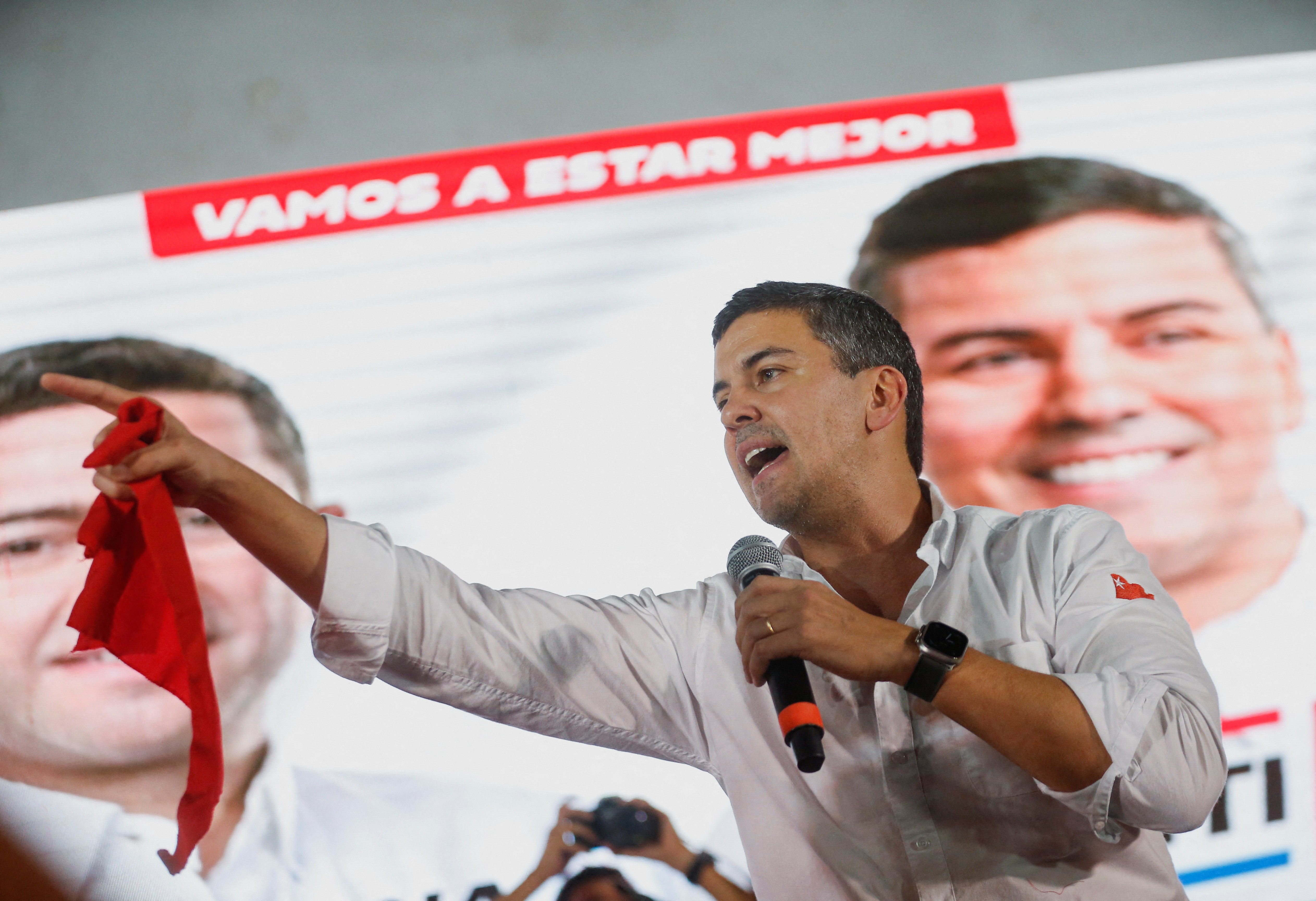
- The political fallout is still moving in parallel. The opposition submitted an impeachment request against President Santiago Peña, citing conflict of interest, rule manipulation, and diversion of money intended for pensions and other benefits, while lawmakers also said the Central Bank had concealed the bank’s problems. Peña had held shares in Grupo Vázquez, which controls Ueno, until March 2025.
The bank was also handling approximately US$ 850 million in public money in Paraguay, including funds from the Instituto de Previdência Social (IPS). In a situation like this, the regulatory question is not abstract: once a bank is both a retail-facing institution and a custodian of public funds, the shutdown process becomes a system-risk exercise, not just a corporate failure.
Related news
All news →


Weekly high-risk digest
Regulation, sanctions and payment news across your verticals — once a week, free.
Please check your inbox and click the link to confirm your subscription.
Please enter a valid email address!