GGL Faces Scrutiny Over Competitor Evidence in Bet3000 Licence Case
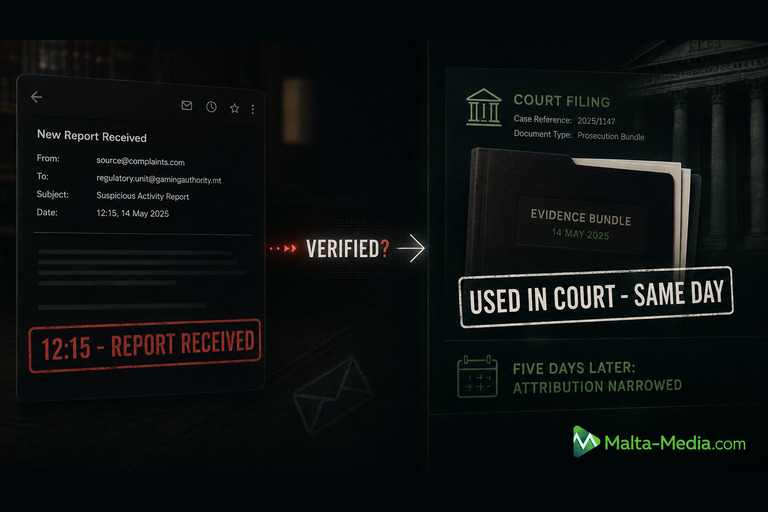
Germany’s national gambling regulator, the GGL, used material from a betting-industry insider in its fight over Bet3000’s licence, and the timing matters. The licence had already been revoked on 24 July 2024, so the real issue is not whether the email triggered the decision, but how competitor-supplied information can shape urgent enforcement litigation.
- At 12:15 on 26 July 2024, Dr Damir Böhm emailed named officials at the GGL saying he had received information from within the circle of betting intermediaries. The claim was that players were being told they could deposit money in betting shops that were no longer active under Bet3000 and use those funds on
tipgo.eu. - Later that same day, the GGL put the material before the Administrative Court in Halle. In its filing, the authority said the relevant proposition had been made credible through Dr Böhm’s findings and stated that continuing activity in the shops was proven, with a video also submitted.
- Five days later, Dr Böhm wrote again and said there were no indications available to him that the alleged instruction had come from Bet3000 itself. The article does not allege that he acted improperly, engineered a regulatory decision, or supplied information he knew to be false.
- The key chronology is straightforward: on 24 July 2024, the GGL revoked IBA Entertainment Limited’s permission to organise and broker sports betting in Germany and ordered immediate effect. IBA challenged the revocation the following day before the Administrative Court in Halle and sought interim protection, so the 26 July email arrived after the administrative decision and after the urgent court process had already begun.
- That matters because under §80 of the Administrative Court Procedure Code, a court can restore the suspensive effect of a challenge where immediate enforcement has been specially ordered. In other words, material introduced at that stage can help decide whether an operator stays out of the market while the main dispute continues.
For high-risk PSPs, the practical lesson is not subtle: in licence disputes, a competitor’s lead may be useful, but once it enters a §80 interim procedure it can help determine whether shops keep operating, customer relationships survive, and cash flow continues while the main case drags on for years.
Related news
All news →

Weekly high-risk digest
Regulation, sanctions and payment news across your verticals — once a week, free.
Please check your inbox and click the link to confirm your subscription.
Please enter a valid email address!