São Paulo City Council approves first vote on bill banning betting ads at sports events
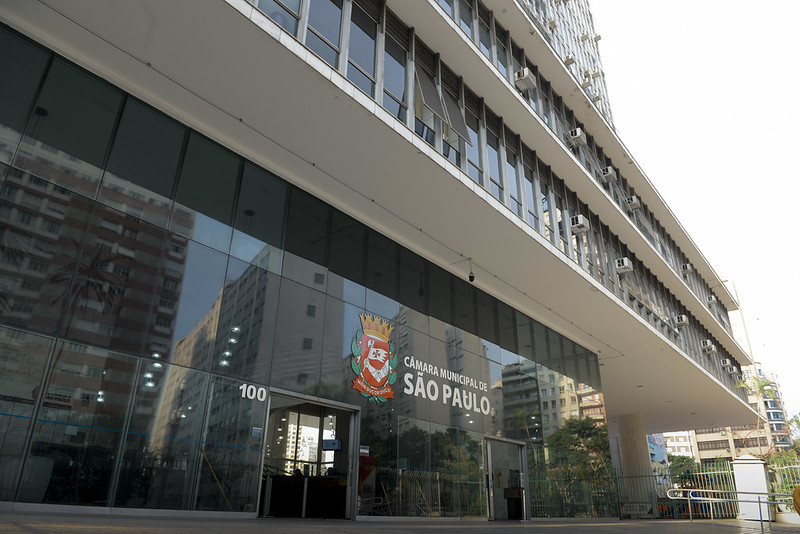
The São Paulo City Council has approved, in first reading, Bill 560/2025, which would ban direct and indirect advertising by sports betting and online gambling companies at sports events in the city. For PSPs and operators active in Brazil, the practical point is simple: local ad restrictions can move from abstract regulatory noise to venue-level rules, fines, and license risk.
- The vote took place on Wednesday, 23/9, and passed symbolically, without a recorded roll call on the electronic board. The bill was introduced by councilman João Jorge (MDB), with co-sponsorship from other lawmakers, and still needs a second and final vote before it can be sent for sanction.
- The proposal would ban betting ads in competitions held in São Paulo, whether organized by public or private entities and whether amateur or professional. The list of prohibited placements includes signage, banners, and advertising panels in arenas, gymnasiums, stadiums, and other sports venues; space on municipal public transport, including busdoor, outbus and backbus; and public spaces under municipal administration or permission.
- João Jorge said the measure could still be expanded before final approval. He said the council could also prohibit bets branding on players’ shirts, while not banning advertising in private settings such as bars, but allowing restrictions on urban furniture, such as public buildings.
- If approved definitively and signed into law, violations would carry a fine of R$ 50 mil per occurrence and suspension of the operating license for up to 30 days. On repeat offenses, the responsible party would be barred from holding sports events in the city for up to two years. The money collected from fines would go to campaigns to prevent ludopathy and promote educational sports.
- The bill also orders the executive branch to run educational campaigns on the risks of betting and its social, financial, and mental health consequences. Those campaigns would be carried out in municipal schools, on social media, through official communication channels, and at sports, cultural, and educational events, with special attention to children and adolescents. Companies and organizations would have 90 days to comply after the rule is published.
The bill’s justification points to the scale of betting spend in Brazil: in 2023, Brazilians spent about R$ 50 billion on betting, according to Folha de São Paulo; in 2024, that figure rose to R$ 240 billion, according to a study by the National Confederation of Commerce in Goods, Services and Tourism (CNC) based on Central Bank data. Between January and March 2025, monthly spending reached R$ 30 billion, according to Rogério Lucca, Executive Secretary of the Central Bank.
Related news
All news →

:strip_exif()/i.s3.glbimg.com/v1/AUTH_bc8228b6673f488aa253bbcb03c80ec5/internal_photos/bs/2026/Y/d/DxAxP0TfyPei2BaFLIuw/agif26092021432652.jpg)
Weekly high-risk digest
Regulation, sanctions and payment news across your verticals — once a week, free.
Please check your inbox and click the link to confirm your subscription.
Please enter a valid email address!