At least 23 Brazilian clubs ask STF to allow betting sponsorships as Flamengo warns of R$ 430 million loss
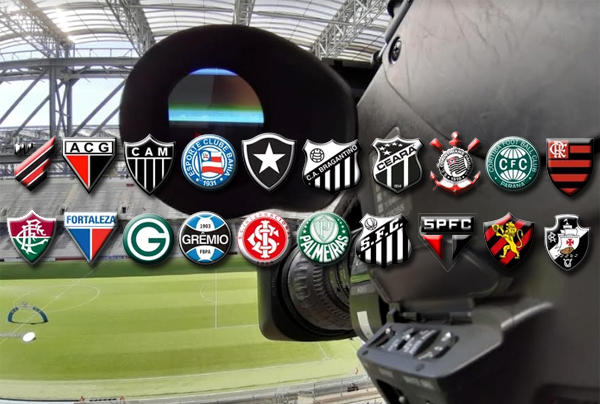
At least 23 football clubs in Brazil have asked the Supreme Federal Court (STF) to join a case challenging the provisional measure that bans betting companies from sponsoring teams. For high-risk payment and acquiring providers, the point is simple: this is not just a sports sponsorship dispute, it is a direct test of how fast a government can cut off an entire revenue channel.
- Flamengo was the first club to file a request with Justice Luiz Fux, the rapporteur in the STF case. In its filing, the club said it had “estimated immediate revenue losses of R$ 400 million to R$ 430 million” for next year, with losses reaching R$ 430 million in 2027. The club also argued that the measure hurts not only football but Olympic sports as well.
- The timing matters. President Luiz Inácio Lula da Silva signed the provisional measure on Thursday, 25/9, setting out the end of bets in the country. The websites and apps were blocked on Monday, 6/10, and sponsorships from betting companies were also prohibited.
- Flamengo said compliance is not as simple as pulling a logo from a website. Its filing says sponsorship branding is already embedded in uniforms produced months in advance by the kit supplier, sold to fans, and displayed on stadium signage and LED boards at Maracanã. The club also said it would have trouble removing betting brands from shirts and stadium advertising boards.
- Botafogo filed its own request and tied the issue directly to its restructuring. The club became a Sociedade Anônima do Futebol (SAF) in 2021 and entered judicial reorganization in May this year because of financial problems. According to the SAF, the roughly US$ 10 million per year from Vbet’s main sponsorship was part of the base cash flow used in the restructuring plan submitted to creditors.
- Five clubs — São Paulo, Ponte Preta, Vitória, Guarani and Portuguesa — filed a joint request warning that interruption of sponsorship contracts could affect salary payments for players. Their filing also points to the broader operational knock-on effect: if the sponsorship stream disappears, clubs do not just lose marketing money; they lose working cash.
The case is useful for anyone watching Brazil’s high-risk payment environment because it shows how quickly a state can move from “licensed betting market” to blocked sites, banned sponsorships and club-level cash-flow pressure. In practice, that means the commercial dependency between operators and sports properties is now a regulatory risk, not just a media buying line.
Related news
All news →
Brazil’s AGU moves against 8 sports betting companies that failed to share customer balance data
Brazil’s MP das Bets puts R$ 2.55 billion in licenses and R$ 6.8 billion in tax revenue at risk
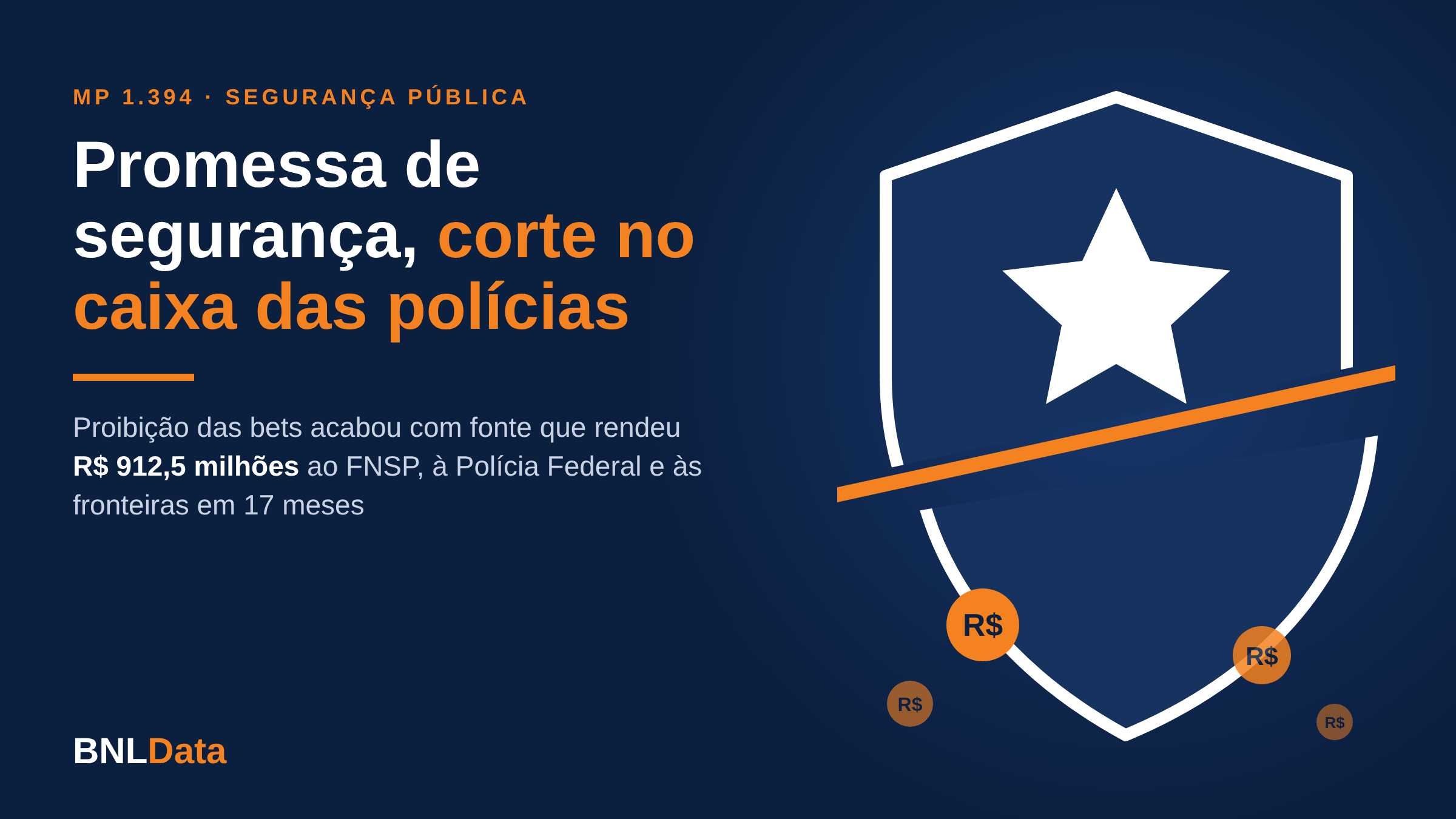
Lula ended Brazil’s bets funding stream for public security, after it had generated R$ 912.5 million in 17 months
Weekly high-risk digest
Regulation, sanctions and payment news across your verticals — once a week, free.
Please check your inbox and click the link to confirm your subscription.
Please enter a valid email address!