GGL court defeats expose weak spots in German gambling enforcement
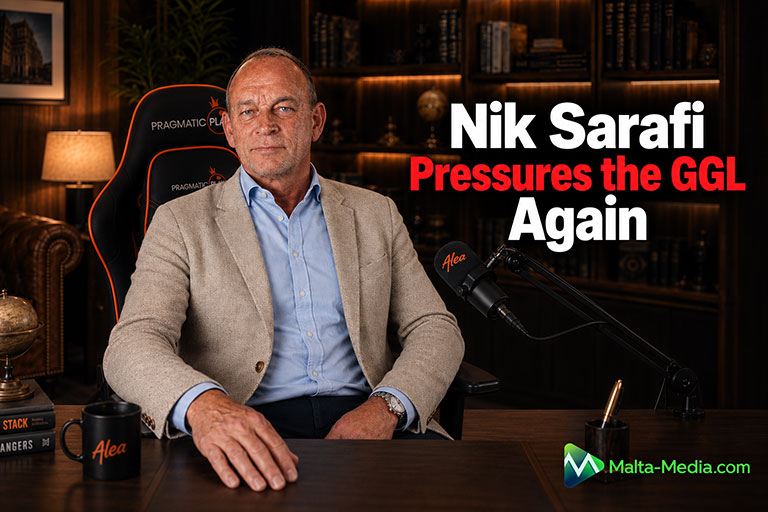
Dr Nik Sarafi has spent the last two years forcing Germany’s Glücksspielbehörde der Länder (GGL) to defend its gambling enforcement in court, and the record has been awkward for the regulator. The point is not that the GGL has lost every step; it has not. The point is that once the legal reasoning is tested, enforcement power alone does not always carry the day.
- The cleanest example is the Twitch streamer case. The GGL accused a well-known streamer of unlawful gambling advertising because he showed his own participation in online gambling, then filed a criminal complaint, issued a prohibition order, and threatened a coercive fine of €200,000. Dr Sarafi argued that criminal advertising cannot be reduced to a possible promotional effect; the form and purpose of the conduct matter.
- That argument landed in criminal procedure first. The investigation was discontinued under section 170(2) of the German Code of Criminal Procedure, which means prosecutors did not see sufficient grounds to proceed. The administrative track was messier: the streamer first got interim protection from the Administrative Court in Halle, the Higher Administrative Court reversed that result, and the GGL later imposed the threatened coercive measure.
- The main case then reached the Administrative Court in Halle, which heard the substantive dispute on 8 December 2025 and fully annulled the prohibition order, with the GGL ordered to bear the costs. That matters for operators and PSPs because it shows the authority’s first move is not always the final legal answer; the order has to survive a court review on the merits.
- The broader pattern is more important than any single filing. Dr Sarafi has not won every stage, and the GGL has not lost every argument. In one streamer case, an initial interim success was overturned on appeal before the lawyer later won the main proceedings. The latest decisions in August 2026 are interim orders, not final judgments. Even so, the sequence suggests a recurring problem: the GGL often acts as if enforcement power settles the legal question by itself, and courts are not treating it that way.
For high-risk operators, the practical takeaway is simple: German enforcement can be aggressive, but aggression is not the same thing as durability. If a prohibition order or coercive fine is going to matter commercially, it has to survive the courtroom, not just the press release.
Related news
All news →
Weekly high-risk digest
Regulation, sanctions and payment news across your verticals — once a week, free.
Please check your inbox and click the link to confirm your subscription.
Please enter a valid email address!