Africa Summit at iGB L!VE 2026 puts tax, localisation and channelisation at the centre of African gaming growth
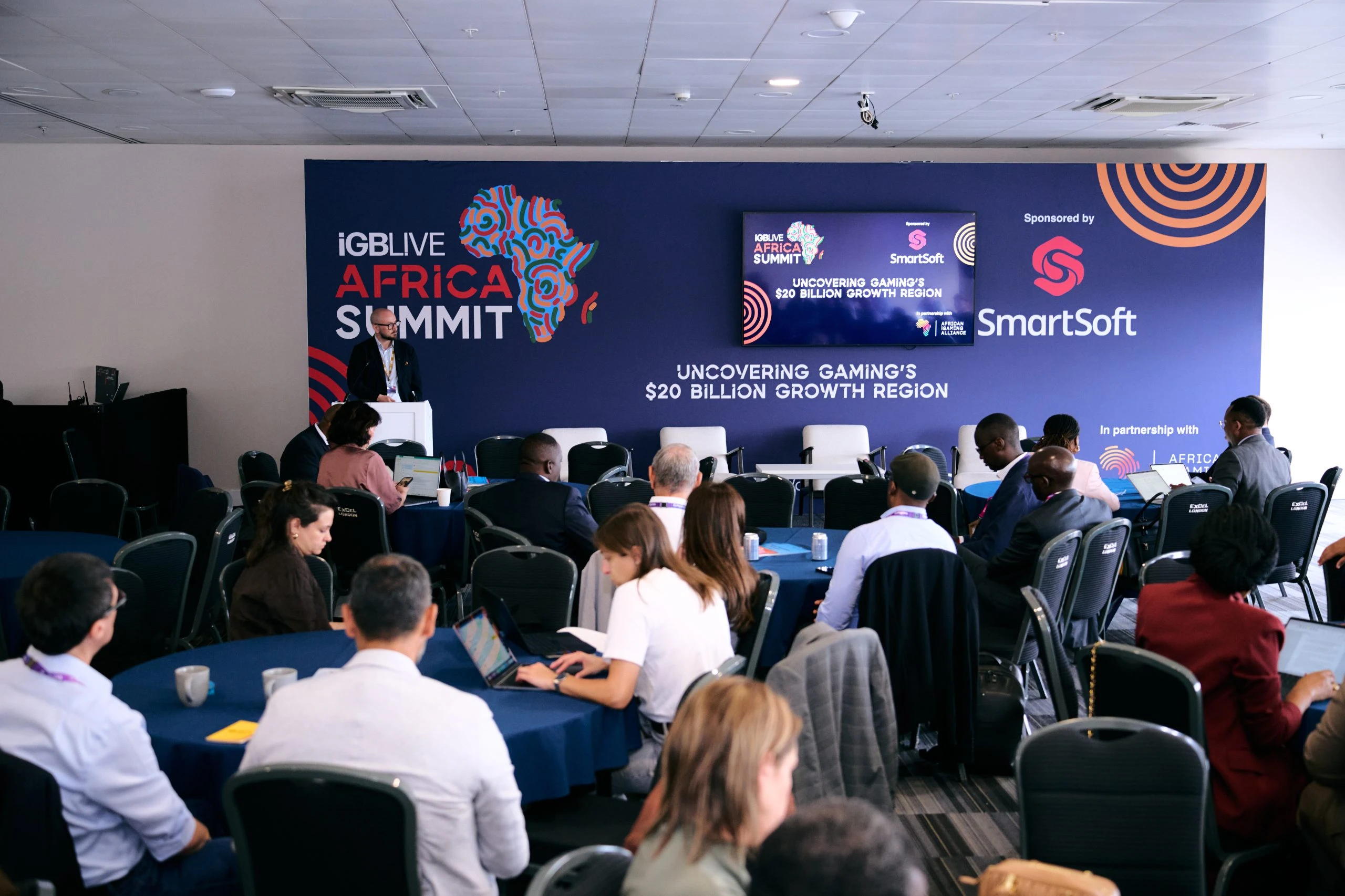
The Africa Summit’s debut at iGB L!VE 2026 brought operators, regulators and suppliers into the same room to talk about a familiar set of problems: how to tax the market without killing it, how to localise enough to stay relevant, and how to keep players away from offshore and illegal operators. For PSPs and acquiring teams, the subtext is clear: payment flows follow regulatory design, and the design is still highly fragmented.
- The first panel, moderated by iGamingBusiness Global Content Director Robin Harrison, included South African National Gambling Board CEO Lungile Dukwana, Lagos State Lotteries and Gaming Authority CEO Bashir Are, and Olabimpe Akingba, head of responsible gaming at pawaTech. Their discussion focused on regional harmonisation, regulatory cooperation and balanced taxation across Africa’s gaming sector.
- Akingba said operators need to stay flexible because “there’s really no one size fit all” across the continent. Dukwana pushed the more practical angle: harmonisation starts with “sharing the standards on the simpler issues like consumer protection.” In other words, the easy wins are around standards, not around pretending every market wants the same product, payment stack or rulebook.
- The panel also drew a hard line on tax policy. Are warned that “When you have a regime in which the taxes are very high, the market will not survive.” For operators, that is not just a margin problem; it is a channelisation problem, because the moment the regulated route becomes uneconomic, offshore and illegal alternatives get a better shot at the flow.
- SmartSoft CEO Guga Gotsadze said treating Africa as a single market is the “biggest mistake” companies could make. He said SmartSoft does not build one regional strategy, but rather “market specific approaches,” adding that understanding those differences is what creates sustainable growth. For PSPs, that is the operational reality too: onboarding, risk controls and settlement structures have to be built jurisdiction by jurisdiction.
- On the second panel, H2 Gambling Capital Managing Director Ed Birkin joined pawaTech CCO Dan Thomson and Dukwana to discuss taxation, channelisation and sustainable market growth. Dukwana said local enforcement is highly proactive, adding: “There is no illegal operator or offshore operator that should be comfortable in the South African space.” Thomson said pawaTech had exited three African jurisdictions over the previous 18 months because of unviable tax rates.
Thomson’s line was the bluntest summary of the room: “This is an industry that could grow for the next 20 years, where there’s a load of operators happy to pay significant levels of tax,” but “if it’s squeeze, squeeze, squeeze, we are not NGOs, we are commercial entities.” That is the part payment providers should pay attention to. Where tax rates and enforcement push operators out, acquiring exposure shrinks with them; where policymakers keep the regulated route workable, payments can do what everyone claims they want them to do: move volume into the licensed market.
Related news
All news →:strip_exif()/i.s3.glbimg.com/v1/AUTH_59edd422c0c84a879bd37670ae4f538a/internal_photos/bs/2026/A/p/L58ldMTFADaFzlfGyVEw/globo-canal-4-20260925-2000-frame-166811.jpeg)

/https://i.s3.glbimg.com/v1/AUTH_da025474c0c44edd99332dddb09cabe8/internal_photos/bs/2026/5/8/wJ124LQnGWUwa17eqhAQ/header-candidatos.png)
Weekly high-risk digest
Regulation, sanctions and payment news across your verticals — once a week, free.
Please check your inbox and click the link to confirm your subscription.
Please enter a valid email address!