Crypto group backs Custodia in Supreme Court fight over Fed master account access
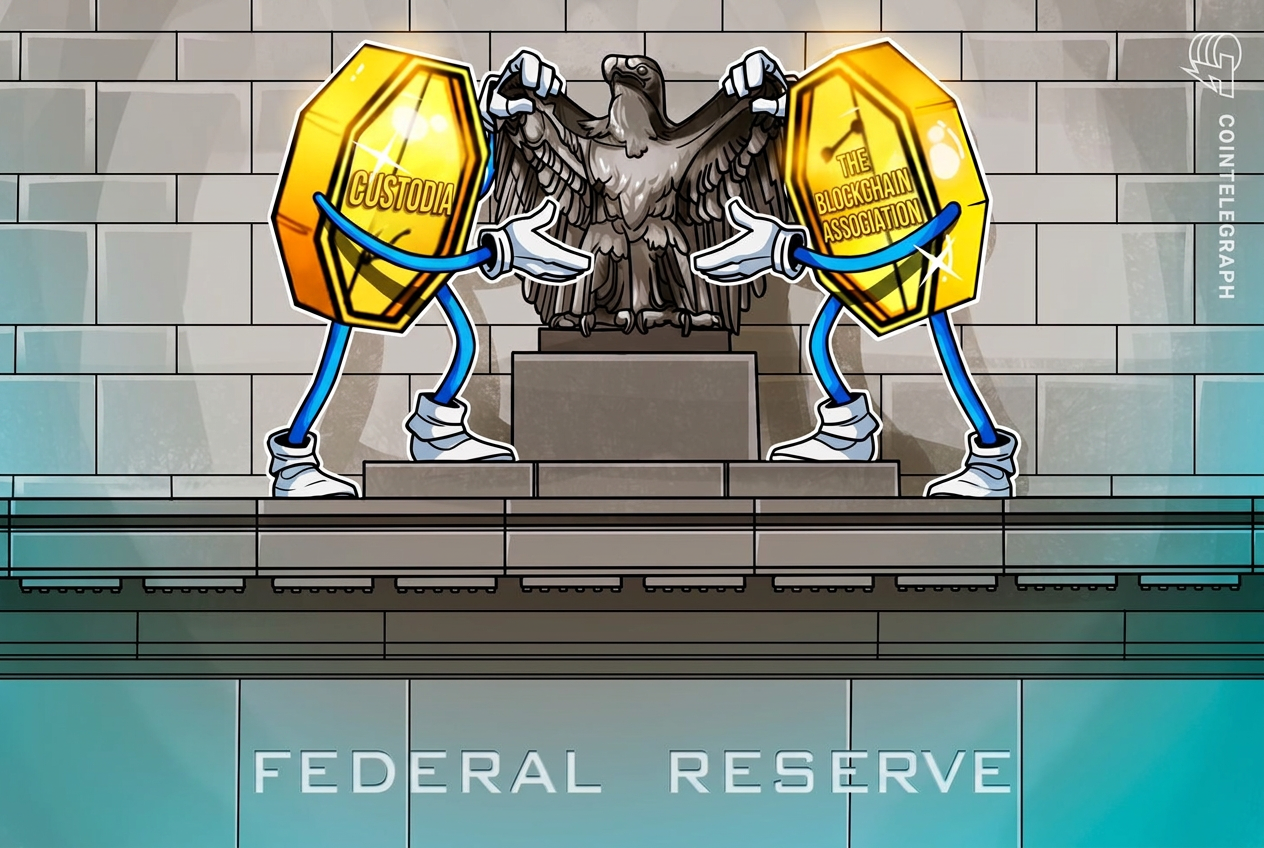
The Blockchain Association has asked the US Supreme Court to take up Custodia Bank’s challenge to the Federal Reserve’s refusal to grant it a master account, which would give the Wyoming-chartered crypto bank direct access to the Fed’s payment system. For high-risk payments people, the point is simple: this is a case about who gets to touch federal payment rails, and on what terms.
- In an amicus brief filed Wednesday, the Blockchain Association argued that federal law requires the central bank to make its payment services available to eligible nonmember banks, and that the Fed should not have broad discretion to deny access. The group said the appeals court’s ruling effectively gives the Fed veto power over state-chartered banks by allowing it to withhold the services they need to operate independently.
- The association also tied Custodia’s case to alleged crypto debanking under “Operation Choke Point 2.0,” arguing that federal regulators discouraged banks from serving the digital asset industry. That framing matters because it turns a single access dispute into a wider argument about whether regulators can indirectly block an entire vertical from the banking system.
- Custodia applied for a Fed master account in 2020, seeking direct access to the central bank’s payment services without using an intermediary bank. The Federal Reserve Bank of Kansas City denied the application in 2023, and the Tenth Circuit Court of Appeals later ruled that the regional Fed bank had discretion to reject the request.
- In March, the appeals court voted 7-3 against rehearing the case, leaving the Supreme Court as Custodia’s only remaining avenue for review. The Blockchain Association said the Tenth Circuit interpreted the Fed’s authority too broadly, potentially allowing it to deny payment-system access to eligible state-chartered banks serving the crypto industry.
- The case lands at a moment when other crypto firms are getting closer to the US banking system. In March, Kraken Financial became the first crypto banking unit to receive a limited-purpose master account from the Federal Reserve Bank of Kansas City, giving it direct access to Fedwire. In April, Coinbase received conditional approval from the OCC to establish a national trust company, and Circle received final OCC approval for its national trust bank in July. Kraken parent Payward applied for its own national trust company charter the following month, while the OCC also conditionally approved national trust bank applications from Ripple, BitGo, Fidelity Digital Assets and Paxos in December.
The contrast is the useful part: one crypto bank is still fighting for direct Fed access, while others are moving through federal charter and trust-bank channels. For PSPs, banks, and treasury teams, that means the boundary between “eligible for services” and “no access” is still being drawn in court and in the regulator’s office, not just in product docs.
Related news
All news →/https://i.s3.glbimg.com/v1/AUTH_da025474c0c44edd99332dddb09cabe8/internal_photos/bs/2026/U/B/NH0uHEQtmnFndtEzlZMg/116364152-politica-sao-paulo-sp-25-09-2026-presidente-lula-e-ministros-anuncia-o-fim-das-bets.-1-.jpg)
Brazil’s betting operators plan legal and political pushback after Lula’s ban order reaches the STF and Congress
/https://i.s3.glbimg.com/v1/AUTH_da025474c0c44edd99332dddb09cabe8/internal_photos/bs/2026/L/J/OZVMngRe2FvPpOEnH7Vg/montagem-1790386347219.jpg)
Brazil’s government plans meeting with football clubs after betting ban, as sponsorship losses hit the Serie A
Brazil’s sports betting sector meets to plan legal response to Lula’s MP
Weekly high-risk digest
Regulation, sanctions and payment news across your verticals — once a week, free.
Please check your inbox and click the link to confirm your subscription.
Please enter a valid email address!