Illegal betting sites in Brazil are copying regulated brands after the ban, with 199 new suspicious domains detected in one day

Illegal online betting platforms in Brazil are now using the names and visual identities of regulated brands to trick users after President Luiz Inácio Lula da Silva’s provisional measure banned bets in the country. For PSPs and operators, the point is not just fraud: once brand copying starts, complaints, chargeback pressure, and legal noise tend to spill onto the legitimate side.
- According to the Associação Nacional de Jogos e Loterias (ANJL), its LegitBet tool identified 199 new suspicious websites on Thursday (12/11) alone. Between 6 and 11 November, the number of newly detected suspicious sites ranged from 100 to 215 per day, which suggests the illegal market did not disappear after the official ban.
- One documented tactic is straight brand imitation. Sites have copied the names and visual identities of regulated betting brands that operated in Brazil, including Betano and Pitaco, to make users think they are returning to familiar platforms. In one case, a fraudulent site posted the message “Estamos de volta” to pull in unsuspecting bettors.
- The second tactic is a fake promotion wrapper: some illegal sites present themselves as prize draws or raffles for items such as motorcycles and video game consoles. Once users click to participate, they are redirected to online casino functions, which are also prohibited under the provisional measure.
- The copycat problem is now affecting the regulated brands themselves. Users harmed by fake sites have started suing the legitimate platforms whose brands were stolen, even though those operators complied with the ban. Those companies, for their part, say they are limited to warning the government that they should not be held responsible for criminal use of their trademarks.
- The provisional measure still needs approval by the National Congress by 4 March 2027 or it will expire. A joint committee of deputies and senators set up to examine the proposal has not yet been installed, while betting-sector representatives are lobbying lawmakers to overturn the measure, arguing that the ban has given illegal sites room to operate without users being able to tell which platforms were regulated.
For high-risk payment teams, Brazil’s case is a neat example of what happens when a regulated vertical is suddenly cut off without a clean user re-routing mechanism: fraudsters keep the traffic, and the legitimate names end up absorbing the fallout.
Related news
All news →
Brazil’s betting ban is a warning for LatAm, SOFTSWISS webinar panel says

Conor McGregor and 1xBet tease a new project as production starts at the bookmaker’s filming location
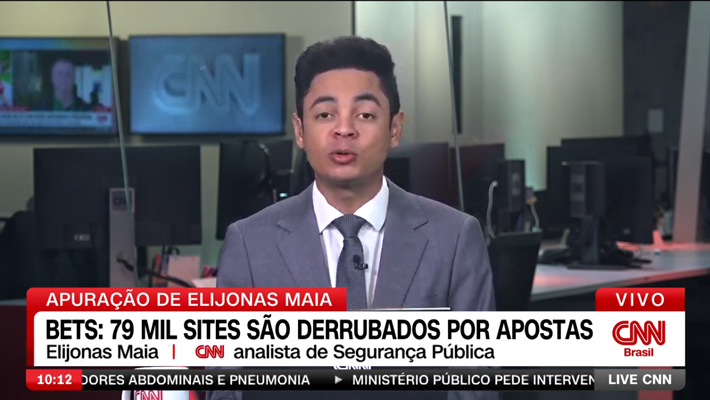
Brazil’s Justice Ministry says it has moved to take down nearly 80,000 betting-related sites and profiles after the MP ban
Weekly high-risk digest
Regulation, sanctions and payment news across your verticals — once a week, free.
Please check your inbox and click the link to confirm your subscription.
Please enter a valid email address!