Renato Casagrande backs betting regulation and a Banestes-operated lottery in Espírito Santo
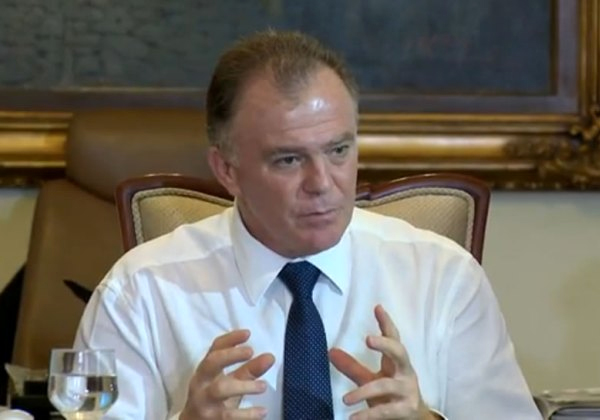
The former governor and Senate candidate for Espírito Santo said Brazil cannot realistically “end bets” and should instead regulate, tax, and restrict advertising. For high-risk operators and PSPs, the interesting bit is not the politics; it is that a state bank-backed lottery structure is moving through a formal licensing and supervision track.
- Renato Casagrande, a former governor and PSB candidate for the Senate in Espírito Santo in the 2026 elections, said on Wednesday (26/8) that online betting should be regulated rather than banned. In his view, the correct path is regulation, higher taxation, and directing part of the proceeds to healthcare.
- He also called for tighter limits on betting advertising, including mandatory risk warnings, comparing the model to cigarette and alcohol ads. Casagrande said: “It is much harder to deal with if you really want to end bets. So, in my view, you have to regulate, tax and limit advertising for bets. There is a way to monitor who plays, this causes dependence.”
- One of the main topics in the interview was Banestes, the state bank of Espírito Santo, and its betting platform. The authorization for Banestes to create Loteria do Estado do Espírito Santo – Loteria Capixaba and launch its own betting operation was granted during Casagrande’s time as governor.
- The project will be run by Banestes Loteria S.A., a subsidiary of the bank, and will offer games in physical and digital formats. Oversight will fall to ARSP (Agência de Regulação de Serviços Públicos do Espírito Santo), which closed public consultations in July 2026 to define rules on player protection and fraud prevention. Part of the revenue will go to social areas such as social assistance, culture, sports, leisure, and tourism.
- Casagrande also proposed a “deep” reform of the judiciary. His proposals include a term of up to 10 years for Supreme Federal Court (STF) justices, an end to supersalaries and perks, and the review of judicial impeachment procedures. He also said he opposes single-justice rulings that overturn decisions of Congress, arguing that only the full STF should do that.
For high-risk businesses, the useful signal here is the combination of state involvement, formal regulation, and earmarked revenue. That is the sort of setup that can shape how local acquiring, payments oversight, and product licensing get done when a jurisdiction decides it wants betting revenue without pretending betting does not exist.
Related news
All news →
Binance to set up a regional settlement hub in Kazakhstan for international payments and crypto transfers

Turkey freezes 1,200 bank accounts in illegal betting probe ahead of İstanbul derby
Last week’s main posts on PHR: Babilon-Mobile, Russia’s September payments changes, Diamond Pay, and casino domain hijacks
Weekly high-risk digest
Regulation, sanctions and payment news across your verticals — once a week, free.
Please check your inbox and click the link to confirm your subscription.
Please enter a valid email address!