Attorneys clash over bettor’s role as jurors hear opening statements in Clase pitch-rigging trial
The trial of Cleveland Guardians pitcher Emmanuel Clase opened with the usual courtroom theater, only this one comes with allegations of pitch-rigging, betting contacts, and a bettor who may or may not take the stand. For high-risk operators, the useful part is simple: the government says this was a sports-contest bribery case, while the defense is trying to reframe key conversations as ordinary talk about cockfighting.
- Federal prosecutors accuse Clase, the two-time American League Reliever of the Year, of rigging 18 pitches as part of a larger betting conspiracy. Luis Ortiz, another Guardians pitcher, is accused of rigging two additional pitches during the 2025 MLB season. Both pitchers have maintained their innocence since their arrests last fall.
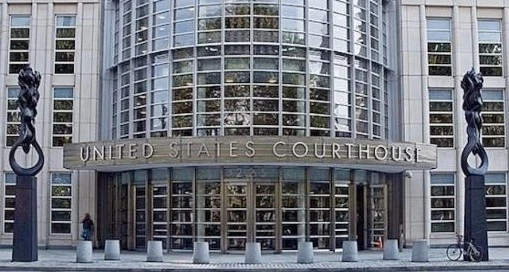
- The case opened in Brooklyn, in a courthouse known for major gambling trials. Assistant U.S. Attorney Rebecca Urquiola told the jury that the pitchers acted as “cheaters,” while the defense pushed back on the government’s interpretation of their communications.
- A central issue is whether references to cockfighting were code or just what they sound like. In the Dominican Republic, where the pitchers are from, betting on rooster fighting, known as Pelea de gallos, is completely legal. The government says Clase used coded language to disguise pitch manipulation; defense attorney Michael Bronson called the exchanges “ordinary conversations about rooster fighting.”
- The name getting the most attention is Enoc Pena, described in court filings as “Bettor 1” and a potential government witness. Defense lawyer Samuel E. Landes said Pena allegedly lied on tax returns, loan applications and immigration forms. He also said Pena has placed more than 7,000 bets totaling at least $725,000. Prosecutors had previously indicated they may decide not to call Pena at trial.
- According to a superseding indictment dated 12 Feb. 2026, “Bettor-1” circulated a screenshot to other gamblers containing a conversation with Clase. The prosecution’s case appears to depend in part on how that contact is read: as betting-related coordination, or as something more mundane the defense wants the jury to believe.
For PSPs, the mechanics matter more than the baseball. When prosecutors build a case around alleged bribery linked to betting behavior, the outcome often turns on the paper trail, the bettor network, and whether a witness is credible enough to survive cross-examination. Here, the government and defense are already fighting over exactly that.
Related news
All news →
Bo Naylor says he did not know bettors could wager on individual pitches in Cleveland Guardians case

Kalshi loses two appeals court bids as Nevada, New York and Connecticut enforcement can continue

Gambling disorder, a serious addiction with direct payment and risk implications in Argentina
Weekly high-risk digest
Regulation, sanctions and payment news across your verticals — once a week, free.
Please check your inbox and click the link to confirm your subscription.
Please enter a valid email address!