Russia Will Let Users Transfer Their Own Crypto Without Risk-Understanding Tests, With New Rules for Exchanges and Digital Custodians
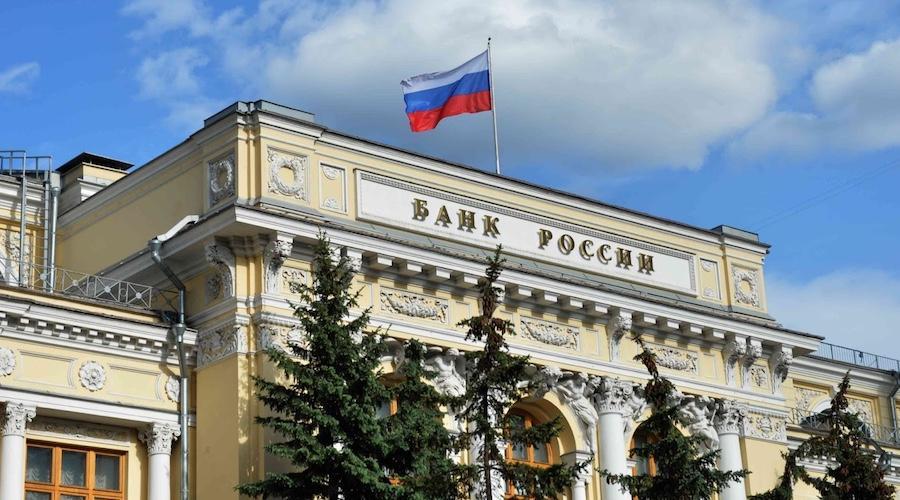
Russia’s central bank has clarified how crypto transfers, trading, and reporting will work once organized trading starts. For high-risk payment providers, the practical detail is simple: the rules split between client onboarding, settlement timing, custody proof, and disclosure obligations, and they do not all land on the same date or with the same logic.
- If a Russian user is transferring crypto from an address that is not recorded by a Russian digital depository, the mandatory test for buying crypto is not required, according to the clarification. In other words, the test is tied to acquisition in the regulated framework, not to every transfer of assets the person already holds.
- The qualified investor status granted to an individual before 1 September this year, meaning before the law came into force, will automatically apply to crypto transactions as well. That means market participants can trade without restrictions immediately after organized trading launches. For now, those organized trades have only been announced.
- Crypto exchangers face a hard settlement rule: payments with clients must be made at the same time as the deal is executed, or immediately after it. Delaying execution of an order until the end of the operating day is forbidden. For PSPs and trading venues, that is a liquidity and operations rule, not a nice-to-have process note.
- Banks will be allowed to use prices from foreign crypto exchanges for accounting valuation of cryptoassets. If a bank does not have access to current trading data, that fact must be taken into account in the calculations. This is about financial reporting only, not trading with clients and not customer settlement.
- The Central Bank has also given digital depositories room to define, on their own, which documents prove that a specific crypto wallet is serviced by a foreign custodian. That applies to transfers of crypto abroad. Digital depositories may also carry out crypto operations without a separate Central Bank regulation on digital analysis, but they still have to follow the Central Bank’s requirements for such operations. Crypto exchangers and digital depositories must disclose ownership structure to the Bank of Russia, including shareholders with stakes above 10% and the persons who actually control the business.
The Central Bank had previously clarified that direct crypto transfers between individuals through p2p transfer platforms will be banned from 1 July 2027. For anyone mapping Russian flow rules, that date matters as much as the onboarding mechanics: the market can keep talking about “crypto access,” but the rails themselves are being narrowed in stages.
Related news
All news →


Weekly high-risk digest
Regulation, sanctions and payment news across your verticals — once a week, free.
Please check your inbox and click the link to confirm your subscription.
Please enter a valid email address!