Brazil’s “Bitcoin Pharaoh” and the cold wallet at the center of a R$ 38 billion case
A cold wallet tied to Glaidson and G.A.S. Consultoria is now one of the key questions in a Brazilian investigation already involving more than R$ 38 billion. For PSPs and crypto payment operators, the interesting part is not the headline drama; it is the familiar operational problem: if the private keys are lost, withheld, or controlled by the wrong person, the assets may be effectively out of reach.
- The device in question is a cold wallet, meaning a crypto wallet kept offline. It does not store the coins physically; it stores the information needed to access them, namely the private keys. In practice, whoever controls those keys controls the funds.
- Glaidson said the authorities do not have the password needed to access the wallet. In his testimony, when asked whether there was a large amount of money inside, he answered, “Existe,” and when asked whether all creditors could be paid from it, he said, “Dá, dá.” The testimony did not specify the amount stored in the wallet.
- The wallet matters because the digital assets linked to G.A.S. Consultoria remain central to the case. The company, founded by Glaidson in Cabo Frio, Rio de Janeiro, attracted thousands of investors with a promise of 10% monthly returns. According to the Federal Police, the informal investment network moved more than R$ 38 billion.
- After Glaidson’s arrest in 2021, investigators said part of the cryptocurrency kept moving. According to the Federal Public Ministry, 4,500 bitcoins left one account. At the time they were moved in 2021, the amount was worth more than R$ 1 billion.
- The investigators also linked access to a computer in Kissimmee, Florida, to Mireles Dias Zerpa, Glaidson’s wife and business partner, who was in the United States at the time. The MPF says she used the computer from the same place where she was staying. Mireles denies managing the company’s funds. Her defense says the bitcoins were moved to repay clients and denies that she kept R$ 1 billion.
The case now has more than 77,000 creditors. For anyone running crypto-facing payments or custody-adjacent operations, the practical lesson is simple: once access depends on a single person’s password, the business model has already taken a turn for the worse.
Related news
All news →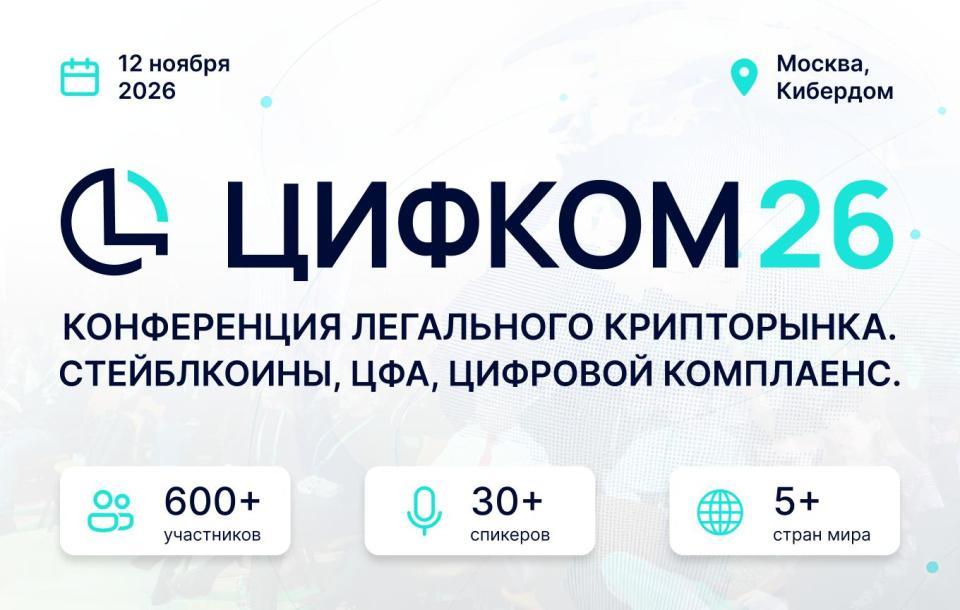
Moscow’s CIFCOM26 will put legal crypto markets, AML/KYC, and cross-border payments on the table on November 12, 2026
Brazil’s betting ban could cost about $23.5 billion, according to ANJL

Palmerbet’s BetStop breaches led to 18-month ACMA undertaking after 535 account-closure failures
Weekly high-risk digest
Regulation, sanctions and payment news across your verticals — once a week, free.
Please check your inbox and click the link to confirm your subscription.
Please enter a valid email address!