Netanyahu Urges Crypto as a Way to Evade Sanctions Ahead of Israel’s 27 October Election
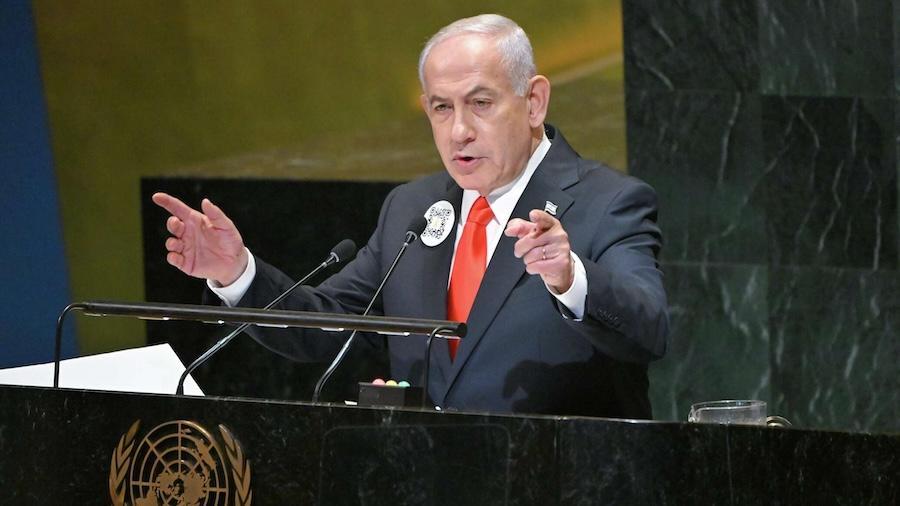
Benjamin Netanyahu has pitched blockchain as “an alternative to sanctions” and a “national strategic tool” in an interview with Channel 10, putting crypto into the middle of Israel’s election debate. For high-risk payment firms, the useful part is not the slogan; it is the regulator response, the political framing, and the reminder that blockchain is usually a traceability problem, not a concealment solution.
- According to the Financial Times, Israel’s government had previously viewed digital currencies mainly as an investment asset rather than a matter of state policy. Netanyahu’s comments marked a shift in tone, at least rhetorically, by presenting crypto infrastructure as something with geopolitical value.
- The Bank of Israel pushed back immediately. In an official statement, the regulator said cryptocurrencies “cannot serve as a means of circumventing sanctions” and warned against undermining relations with key trading partners. For PSPs and banks, that is the line that matters: the central bank was not entertaining a policy debate, it was shutting one down.
- Opposition figures joined the criticism as the election campaign picked up pace. Gadi Eisenkot, leader of the Yashar party, called Netanyahu’s concept “BibiCoin” on X and said it posed a national security threat. Yair Lapid described the idea of a “bypass economy” by pointing to the situations that emerged in Iran, Russia, and Venezuela.
- Ben Samocha, founder of CryptoJungle, told Cointelegraph that blockchain makes illicit transactions easier to track, not harder. He pointed to the U.S. Treasury’s experience with Iran, where digital traces have been used to block access to fiat money and even freeze funds. His point is straightforward: using crypto for sanctions evasion is not the same thing as hiding the trail.
- Israel’s election is set to conclude on 27 October. The political backdrop includes sanctions pressure announced in September by 12 countries led by the UK against Israeli settlements in the West Bank. Netanyahu is trying to mobilize supporters by arguing that sanctions could soon expand to all of Israel.
- TRM Labs said that in 2025, transaction volume linked to sanctions evasion rose 400%, with a significant share tied to the Russian ruble stablecoin A7A5. The firm said the main flows were observed in China, Southeast Asia, and South Africa, with the largest volumes in China and Hong Kong, and identified Garantex and Grinex as key venues for transactions involving the token.
For payment providers, the practical takeaway is familiar: when sanctions risk becomes a political talking point, compliance teams need to treat crypto flows as a monitoring problem first and a policy debate second. The technology may move fast; the flags on the transaction still move faster.
Related news
All news →


Weekly high-risk digest
Regulation, sanctions and payment news across your verticals — once a week, free.
Please check your inbox and click the link to confirm your subscription.
Please enter a valid email address!