Will Lula’s gambling ban sway Brazil’s election?
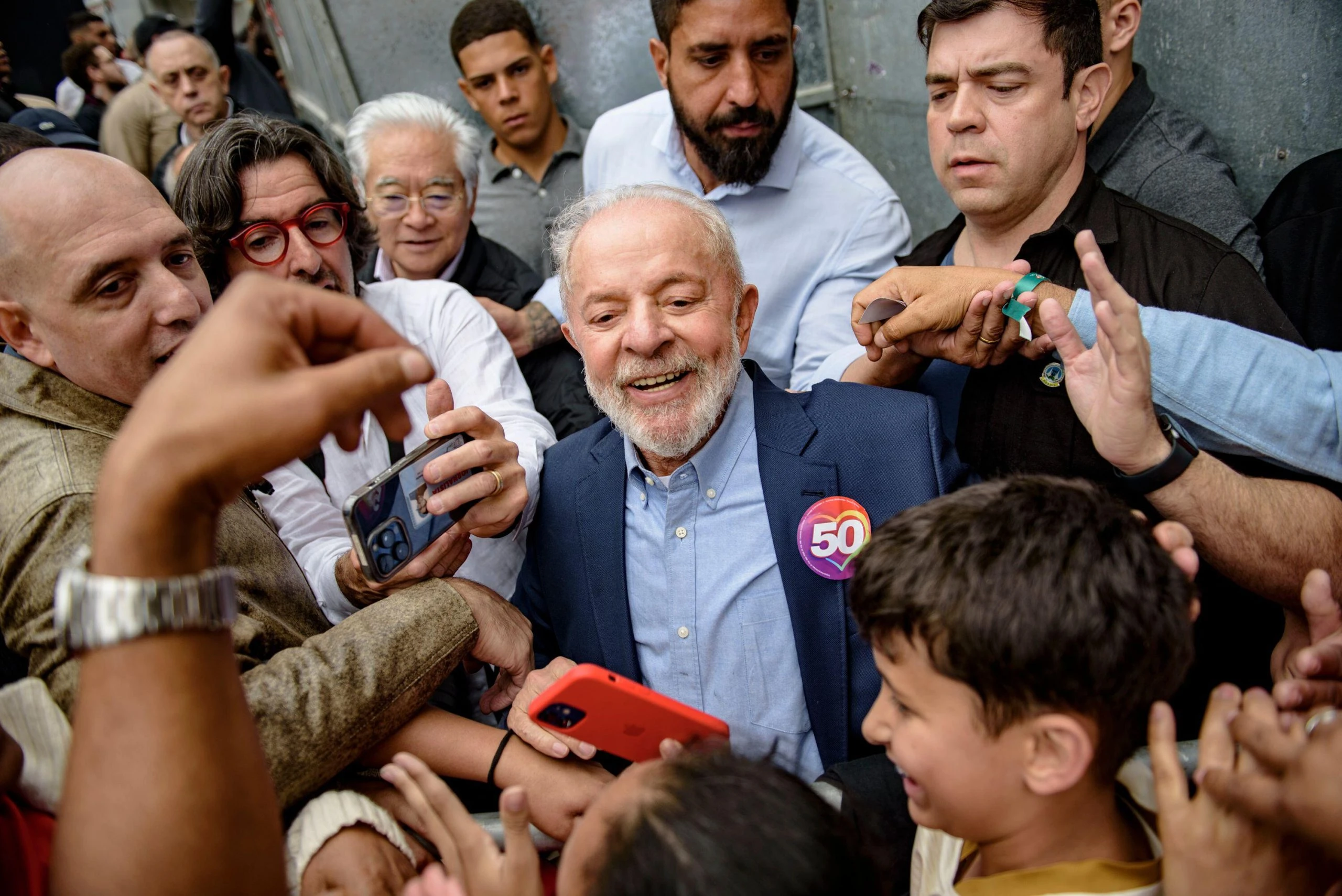
President Luiz Inácio Lula da Silva has moved to ban online gambling in Brazil through a provisional measure, a decision that took effect on 25 September and instantly threw the country’s regulated betting market into legal and commercial limbo. For PSPs and operators, the important part is not the campaign theatre; it is that Brazil’s biggest regulated gaming market just became a regulatory risk event with a short fuse.
- The order took effect immediately, but it will expire within 60 days unless Congress approves it in that window, with a possible further 60-day extension. Operators have said they will challenge it through legal routes, and trade bodies have already brought action to the Supreme Court.
- The regulated market is, or was, worth approximately $7.7 billion according to H2 Gambling Capital data. The sector is also estimated to employ approximately 15,000 people directly and indirectly, while government data shows it generated $1.87 billion in federal tax revenue from January through to August this year.
- The commercial fallout is not limited to operators. Brazilian football clubs have also warned about the loss of gambling sponsorship revenue and what that means for the country’s league and wider sports scene.
- Inside the industry, the ban is being read as a political move timed for the final stretch of a tight presidential race between Lula and his opponent Flávio Bolsonaro. “The timing of the measure is completely populist,” said Bruno Centurion, a political analyst at Fatto Inteligência Política.
- That said, Centurion argued the issue itself is not new: the measure has been debated in Brazilian politics for years and has public support. Atlas Intel and Bloomberg found shortly before Lula’s announcement that 75% of the public agreed with banning gambling, while only 17% supported legalisation.
For high-risk payment providers, Brazil is the kind of market where policy risk can become processing risk overnight. The thing is that uncertainty is not just a political problem here; it changes whether acquirers, PSPs, and merchants can keep operating, contracting, and collecting without ending up in the middle of a court fight.
Related news
All news →Bitget cuts off Russia, Belarus, and Kazakhstan clients as CIS enforcement and casino-linked cashouts keep tightening
Moldova moves to tighten action against illegal iGaming and proposes new sector taxes

Winning Poker Network Makes ScreenShield the Default on Americas Cardroom From November 4
Weekly high-risk digest
Regulation, sanctions and payment news across your verticals — once a week, free.
Please check your inbox and click the link to confirm your subscription.
Please enter a valid email address!