How Curaçao’s Licensing System Keeps Offshore Operators Moving — According to a New European Investigation
Journalists from Play the Game and Josimar visited Curaçao to look at the island’s offshore gambling industry, and their reporting suggests the 2024 licensing reform has not brought much order to the market. For high-risk PSPs, the useful takeaway is simple: Curaçao still appears to combine scale, loose domain handling, and weak operational visibility.
- Curaçao, with a population of 155,000 and a regulator staffed by just 30 people, is described as overseeing about 600 licences and 10,000 domains. For comparison, the regulator office in Malta has 170 employees, and the Netherlands has 100.
- Licensed operators in Curaçao can add multiple domains to a licence for $250 each, and the island does not require separate licences for those domains. The investigation also says many gambling companies still use trust offices as their local representative entities.
- In several cases, journalists found abandoned buildings or offices belonging to companies that had no obvious connection to the operators registered there. The report also says trust structures use corporate service providers so money does not have to flow through mandatory accounts in Curaçao.
- Operators in Curaçao are still not required to report suspicious bets. In Malta, that obligation has been in place since 2021. The investigation also says there are persistent suspicions that licences are effectively issued not by the CGA regulator, but by Random Consulting, a technical company owned by Mario Galea, a Maltese licensing specialist hired by Curaçao’s former prime minister to carry out the 2024 reform.
- Since 2024, Curaçao’s annual revenue from licensing has been about $37.5 million, which the report says is significantly lower on a per-licensee basis than in most other jurisdictions. Separately, AskGamblers said it helped return $10.7 million to players in 2025, up from $6.9 million in 2024, and five of the operators drawing the most complaints had Curaçao licences. Casino Guru says more than a third of all complaints it handles involve Curaçao licensees.
The compliance angle for payments teams is not subtle: the investigation says operators using Curaçao licences can freely target prohibited markets such as Iran, India, and Somalia, or offer bets on events taking place there. If you are underwriting risk in iGaming, that is the sort of operational detail that matters more than the licence badge on the footer.
Related news
All news →
Conservative Party proposes banning gambling, alcohol and cigarette spending for some UK benefits recipients
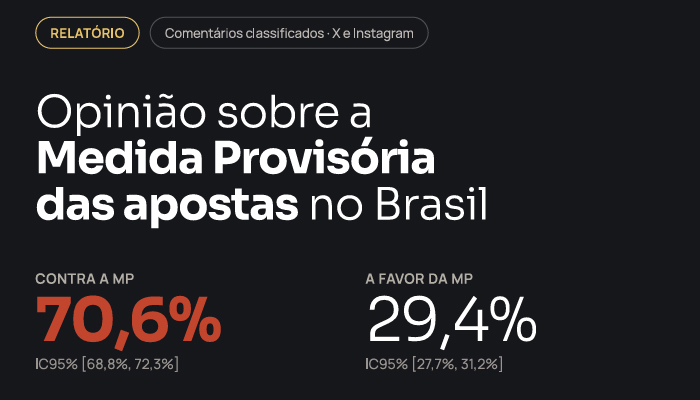
70.6% of social media comments on Brazil’s proposed betting ban were negative, but the real complaint was government inconsistency

New York Sues Polymarket Over Alleged Unlicensed Betting Operation
Weekly high-risk digest
Regulation, sanctions and payment news across your verticals — once a week, free.
Please check your inbox and click the link to confirm your subscription.
Please enter a valid email address!