How Malta’s 2018 Gaming Act turned the island into igaming’s reference jurisdiction

On August 1, 2018, Malta Gaming Authority (MGA) replaced a patchwork of gaming laws with a single, technology-neutral Gaming Act (Cap. 583). For high-risk operators and PSPs, the point is straightforward: Malta did not just tidy up its rulebook; it created a licensing model that still carries weight with banks, acquirers, and suppliers looking for a benchmark.
- Before 2018, Malta’s framework had grown by accretion: in 2004/2005 it became the first EU member state to introduce a dedicated legal framework for remote gaming, but by the mid-2010s the system had been built piecemeal as new rules were layered on top of old ones. The MGA says that structure had served the jurisdiction well, but the industry had outgrown it.
- The 2018 reform replaced four separate pieces of gaming legislation with one law and simplified licensing into two main categories: B2C (Gaming Service) and B2B (Critical Gaming Supply). That matters in practice because simpler licence architecture is easier for counterparties to understand when they are screening merchants, vendors, and payment flows.
- Malta’s igaming sector now generates 6.3 per cent of the country’s GDP, and the MGA oversees more than 500 licensed companies. For anyone deciding where to book risk or build payment coverage, that is not a niche regime; it is a major part of the local economy with a large installed base of operators.
- Industry suppliers, including Play’n GO and Altenar, treat an MGA licence as a global signal of operational discipline and player trust. That does not make the licence a shortcut past due diligence, but it does explain why Malta remains a reference point for cross-border igaming businesses and the providers serving them.
- The framework is now being tested again by more localised regulation, new technologies, and evolving player-protection risks. The MGA’s 2026 supervisory priorities are crypto-asset controls, player protection, and sports betting integrity, which tells you where the regulator sees the pressure points for the next round of licensing and monitoring.
The thing is, Malta’s appeal was never just that it moved first. It built a regime that other operators and regulators could use as a reference point, and that still matters when banks and PSPs are deciding whether a merchant profile looks manageable or needs a higher-risk treatment.
Related news
All news →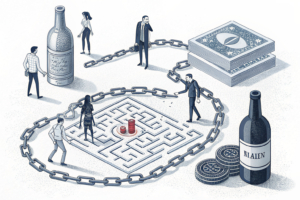
Conservative Party proposes banning gambling, alcohol and cigarette spending for some UK benefits recipients
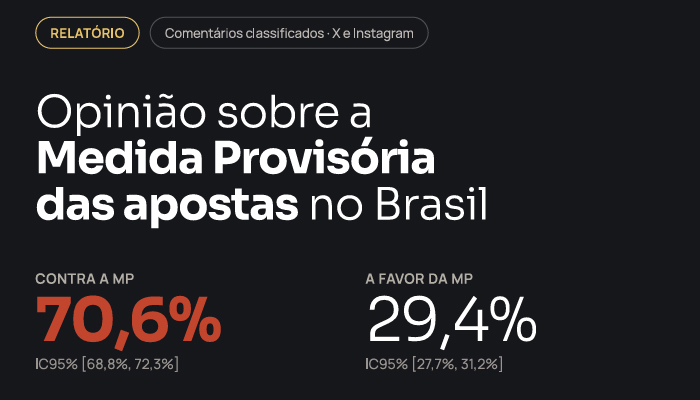
70.6% of social media comments on Brazil’s proposed betting ban were negative, but the real complaint was government inconsistency

New York Sues Polymarket Over Alleged Unlicensed Betting Operation
Weekly high-risk digest
Regulation, sanctions and payment news across your verticals — once a week, free.
Please check your inbox and click the link to confirm your subscription.
Please enter a valid email address!