Brazil’s iGaming ban: how Flutter, Entain, Allwyn, Better Collective and Kambi reacted
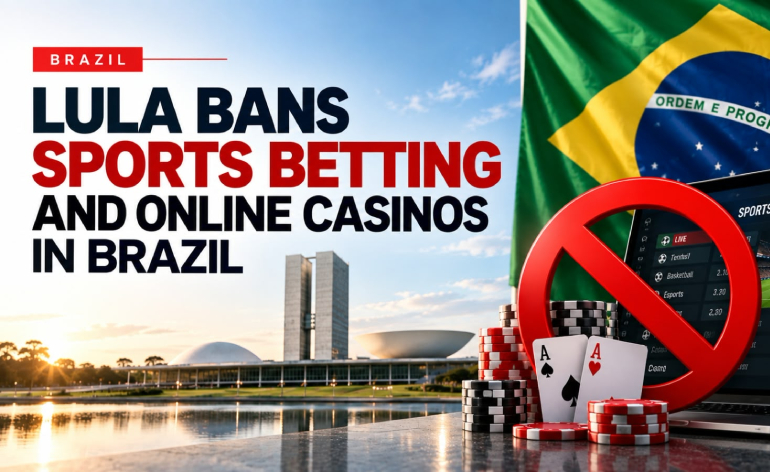
Lula da Silva’s iGaming ban has set off a familiar chain reaction: operators say they are complying with the temporary measure, but they also argue it pushes players toward the illegal market. For PSPs, acquirers, and banking partners, the point is not just the policy itself but the risk of abrupt license disruption, payment rerouting, and a bigger unregulated share of turnover.
- Flutter said its Brazil unit, Betnacional, generated $74 million in revenue in the first half of 2026, up 722% year on year. The company also pointed to estimates that the illegal market’s share fell from 41–51% in 2025 to 38–44% in 2026, while warning about roughly 15,000 jobs and sponsorship payments at risk: 18 of the 20 Série A clubs had sportsbook partners.
- Entain said Brazil accounted for about 5% of group online NGR in 2026, with only a modest contribution to EBITDA. Because of the ban, group revenue and margin are expected to land in the lower end of guidance ranges, and online NGR growth is now estimated at 4–6% if the ban stays in place through year-end.
- Allwyn, which owns 36.75% of Kaizen Gaming, said Betano leads the Brazilian market with a share of about 25%. Betano is considering legal action to defend its rights under a five-year license. If the ban remains in force, Allwyn’s 2026 adjusted EBITDA forecast, which implied 37%, would no longer be valid.
- Better Collective suspended future guidance and its share buyback program. Before the ban, Brazil was expected to generate about €45 million in 2026, or roughly 12% of group revenue. The company now expects to lose about €15 million by year-end.
- Kambi said Brazil makes up a low single-digit percentage of its revenue, so the impact on the group is expected to be limited.
Brazilian lawyer Neil Montgomery called the measure an unlawful act by the president and said it raises questions about the predictability of the country’s business environment. He also said all licenses will be canceled 30 days after the measure is published, with no compensation for the unused part of the five-year term.
The final word is still pending: the temporary measure must be approved by Congress, which can adopt, amend, or reject it. A vote is expected after the presidential elections on October 4.
Related news
All news →

Weekly high-risk digest
Regulation, sanctions and payment news across your verticals — once a week, free.
Please check your inbox and click the link to confirm your subscription.
Please enter a valid email address!