Family suspected of using a religious project to support a criminal faction in Mato Grosso
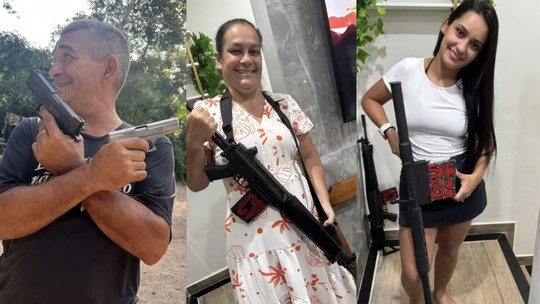
Police in Cuiabá have opened Operation Fariseus after an anonymous tip and court-authorized analysis of phones, bank records and telematics pointed to a religious outreach project being used as a cover for contact with prisoners and members of a criminal organization. For high-risk payment providers, the interesting part is not the theology; it is the alleged use of third-party accounts, fragmented deposits and cross-jurisdiction money movement.
- The investigation began after an anonymous complaint said members of the family were using a religious project to enter the Penitenciária Central do Estado (PCE) in Cuiabá and allegedly deliver cell phones, chargers and other prohibited items to inmates in the maximum-security wing.
- According to the Polícia Civil, court-authorized data analysis uncovered photos, videos, conversations and financial records suggesting the group’s relationship with prisoners, fugitives and faction members went well beyond religious support. Investigators also found phone calls with inmates, message exchanges between prisoners and people on the outside, frequent contact with leaders of the criminal organization and information-sharing about the prison environment.
- The measures ordered in the case include breaches of telephone, banking and telematic secrecy, as well as a temporary suspension of the suspects’ access to prison units through religious activities. The suspects face allegations of membership in a criminal organization, corruption of a minor, torture and money laundering.
- Police said family members received amounts attributed to faction members and used third-party bank accounts to split deposits, make transfers and conceal the origin of the money. The funds are suspected of having been used to pay for travel, cosmetic procedures and vehicle purchases.
- Investigators also cited frequent trips by the group to Rio de Janeiro. They said family members visited a community controlled by the faction and a house used by a fugitive criminal, where images were produced showing suspects alongside firearms, including rifles, pistols, revolvers, carbines and radios, as well as photos with criminal leaders and armed security personnel. Police also found images of children holding customized weapons and of the suspects themselves handling firearms.
The defense for Rhavenna said it would not comment at this time. The case matters for PSPs because it is another reminder that religious, charitable or social cover can sit on top of ordinary payment-risk red flags: third-party funding, cash fragmentation, and activity spanning prisons and Rio de Janeiro.
Related news
All news →


Weekly high-risk digest
Regulation, sanctions and payment news across your verticals — once a week, free.
Please check your inbox and click the link to confirm your subscription.
Please enter a valid email address!