Ukraine ranks 8th globally in crypto adoption, 1st per capita, Chainalysis says
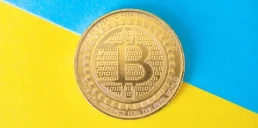
Ukraine is already one of the most active crypto markets in the world, and that matters for PSPs because the country is no longer talking about creating a market from scratch. It is talking about putting rules around an existing one: $206.3 billion in crypto transactions tied to Ukraine and roughly 52% annual growth, according to Chainalysis.
- In the Global Crypto Adoption Index 2025, Chainalysis ranked Ukraine 8th in the world by overall crypto adoption and 1st globally on a population-adjusted basis. The figures were cited by the press service of the National Securities and Stock Market Commission of Ukraine, Chainalysis said.
- Chainalysis estimated the volume of crypto transactions linked to Ukraine at about $206.3 billion, with the market growing by approximately 52% over the year. For payment companies, that is the kind of number that turns “is this a niche?” into a fairly tired question.
- Oleksii Semeniyuk, head of Ukraine’s National Securities and Stock Market Commission, said during an online discussion organized by Incrypted that the point of regulation is not to build a virtual asset market from zero, but to set clear rules for a market Ukrainians already use actively and to bring that activity into Ukrainian legal territory.
- He said legalization should give users access to services from authorized virtual asset service providers and give businesses a clear mechanism for operating legally in Ukraine. The services he named include buying, selling and exchanging virtual assets, custody, staking, and other products that would develop under state-defined rules once the legal framework is in place.
- Semeniyuk also framed the issue in operational terms: users should know who is providing the service, whether the company is authorized, what rules it must follow, and where to complain if rights are violated. In his words, a significant part of these relationships is still outside Ukraine’s regulatory perimeter.
He also pointed to tokenization of real and financial assets, or RWA (Real World Assets), as a separate development track. The idea is to use distributed ledger technology to represent rights to real assets or financial instruments in digital form, creating new fundraising models and investment products rather than treating crypto regulation as the end of the story.
Related news
All news →
Weekly high-risk digest
Regulation, sanctions and payment news across your verticals — once a week, free.
Please check your inbox and click the link to confirm your subscription.
Please enter a valid email address!