Conduit sues Tether over alleged $2.76 million USDT freeze in September 2025
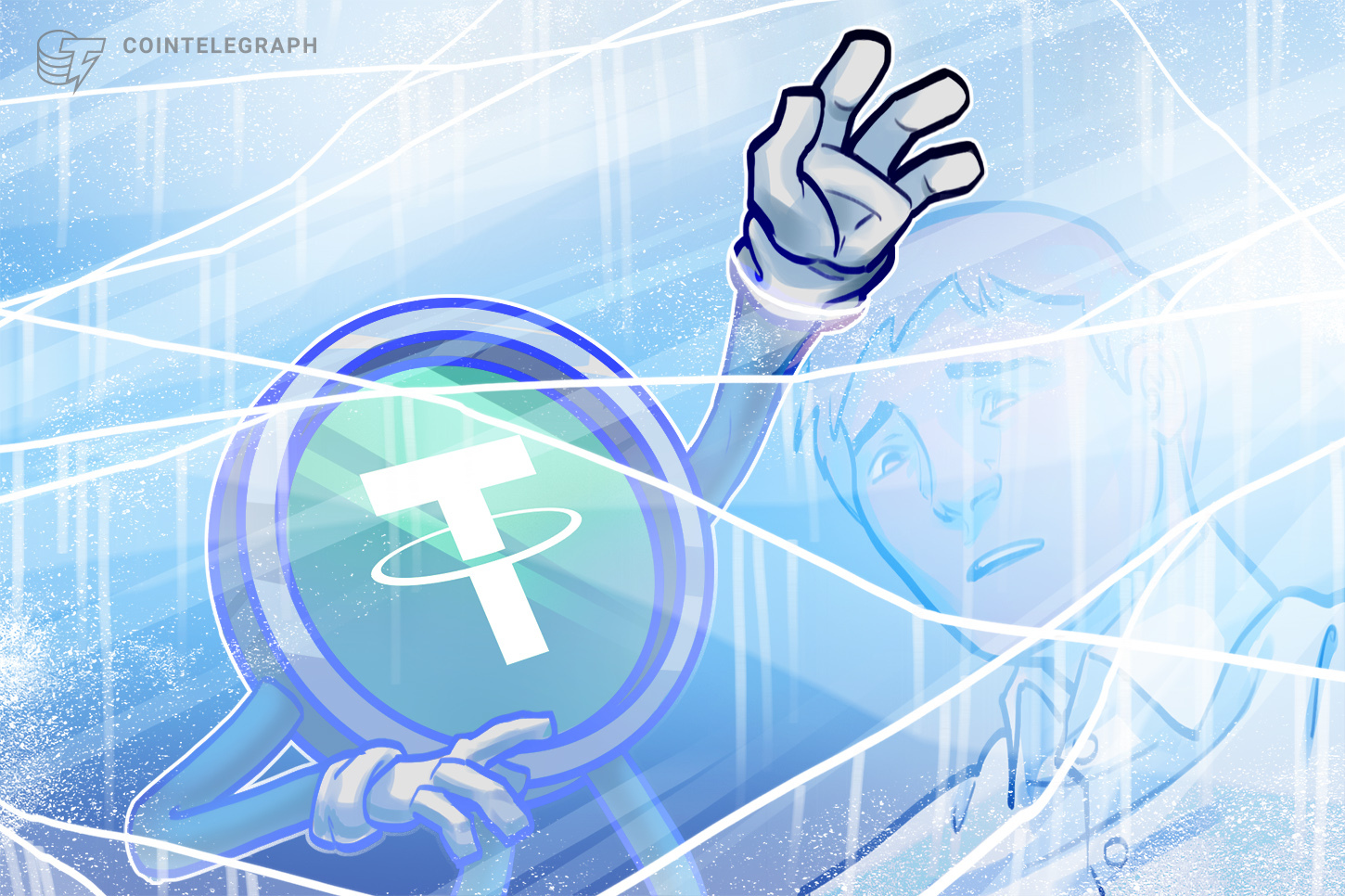
Cross-border payments platform Conduit Technology says Tether froze $2.76 million in USDt (USDT) without explanation, then refused repeated requests to release it. For high-risk PSPs, the point is not the courtroom drama; it is that a stablecoin issuer can, in practice, turn a treasury balance into a frozen balance sheet line overnight.
- Conduit filed a complaint on Monday in the US District Court for the Southern District of New York, alleging that Tether froze funds belonging to Conduit to which it had “no legal entitlement” and “no claim.” The company said it started holding USDt as part of its digital treasury wallet in May 2025.
- According to Conduit, Tether froze all $2.76 million in September 2025 with “no justification,” and the company said the action “materially impacted its business.” Conduit’s complaint also says: “The funds are unequivocally Conduit’s, but Tether has taken them and is denying Conduit access to them.”
- The lawsuit says Tether linked Conduit’s treasury wallet to Brazilian companies Bull Intermediação de Negócios and Onix on its own initiative, using its own criteria. Conduit says the freeze on Sept. 24, 2025 was connected to a Brazilian federal police investigation launched in 2024 into those firms.
- Conduit says it repeatedly asked Tether to unfreeze the funds, but that the money was still frozen as of Monday. Cointelegraph said it contacted Tether for comment and did not receive an immediate response.
- The case lands about a month after two Thai nationals sued Tether over an alleged freeze of $42.4 million in USDt after what they called an “informal request” from US Homeland Security Investigations. That dispute was tied to a $61 million pig butchering case filed in US District Court for the Eastern District of North Carolina, which issued a seizure warrant for the USDt in February.
For treasury teams holding stablecoins, the operational lesson is blunt: the issuer’s compliance decisions can matter just as much as the on-chain transfer itself. If your business depends on USDT for settlement, you need to know not only where the money is, but whose rules can stop it moving.
Related news
All news →
Brazil lets pre-ban betting sponsor shirts stay on sale after October 6 gambling shutdown
:strip_exif()/i.s3.glbimg.com/v1/AUTH_bc8228b6673f488aa253bbcb03c80ec5/internal_photos/bs/2026/4/A/HoSzD5Qr6JmrWUeNcukA/foto-sao-pailo-03-04-2026-02-1.jpg.png)
São Paulo to display Superscore as master sponsor against Cruzeiro after Brazil’s betting ad restrictions

Apple and Google Remove Sports Betting Apps from Their Stores in Brazil as Government Freeze Takes Effect
Weekly high-risk digest
Regulation, sanctions and payment news across your verticals — once a week, free.
Please check your inbox and click the link to confirm your subscription.
Please enter a valid email address!