CBF, COB and CPB bring Brazil’s sports betting ban bill to the STF
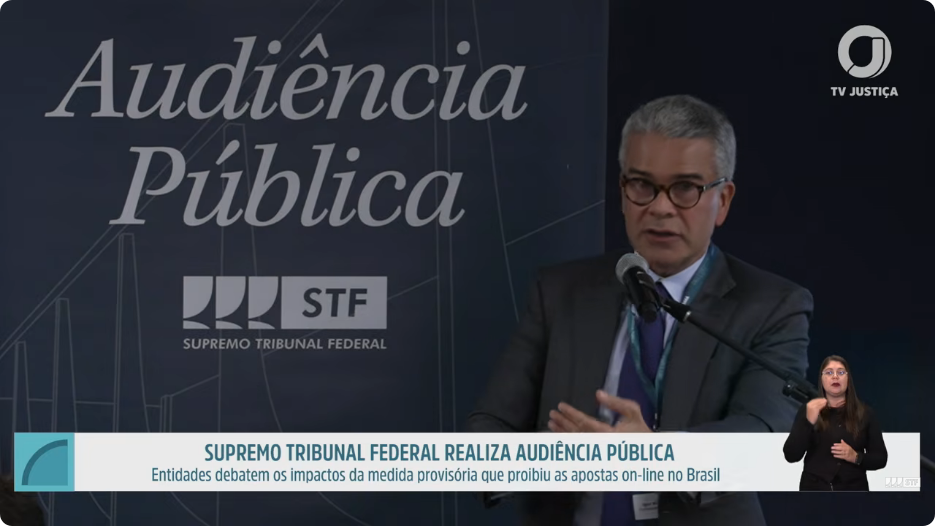
At a public hearing before Luiz Fux on MP 1.394, Brazil’s football, Olympic and Paralympic bodies put hard numbers on what the fixed-odds betting ban means for sport. The point for high-risk payment players is simple: when a market is shut down abruptly, sponsorship, media and commercial flows do not disappear quietly — they get re-priced, and fast.
- The hearing took place on Tuesday (3) in the Supreme Federal Court (STF), within ADI 8027, after Medida Provisória nº 1.394/2026 banned fixed-odds betting in Brazil. The three entities involved were the Confederação Brasileira de Futebol (CBF), the Comitê Olímpico do Brasil (COB) and the Comitê Paralímpico Brasileiro (CPB).
- CBF’s lawyer, Igor Mauler Santiago, said Brazilian football moved R$ 91 billion in 2025, equal to almost 1% of GDP. In the same year, it generated R$ 22 billion in income, R$ 12 billion in taxes and about 630,000 jobs. The federation says its model is funded by three surplus-making assets: the men’s national team, the Copa do Brasil and, to a lesser extent, naming rights for Brasileirão Série A.
- According to the CBF, those revenues cross-subsidize 26 deficit-making competitions, including lower divisions, regional cups, women’s football and youth categories. In 2026, the federation expanded the calendar from 2,800 to 3,300 matches and from 24 to 28 competitions, while also increasing spending on refereeing professionalization and financial fair play. The extra investment this year is R$ 192 million.
- The commercial hit is not theoretical. Santiago said the last non-betting master sponsorship for Fluminense paid R$ 10 million a year, or about R$ 15 million in current values, while the club’s current deal with a betting company is worth R$ 53 million annually until 2029. He also said 27 of the 40 clubs in Brazil’s Serie A and Serie B have a betting company as master sponsor, with those contracts totaling about R$ 1 billion a year, or 35% of all club sponsorship revenue, and projected at R$ 5.4 billion through 2030.
- The CBF says the MP caught the federation and state associations in the middle of renegotiating the 2027-2030 sponsorship cycle. It estimates a R$ 420 million revenue loss in 2027 alone, with the damage increasing in later years. The broader effect also reaches broadcast rights and pitch-side boards, which rose in value after betting brands entered the market; with so many properties suddenly available, prices fall. The CBF’s message was blunt: the abrupt exit of bets creates “a true debacle in the system.”
The source says the CBF sees club player sales as part of the fallback, pointing to Article 86 of the Lei Geral do Esporte. COB and CPB also told the court the ban carries major financial consequences, with COB estimating a R$ 2.6 billion impact on sport and CPB arguing that regulation is the only way to protect the bettor.
Related news
All news →
Bitcoin addresses linked to the Binance hackers receive microtransactions and messages after $6 billion theft

TRF3 restores CDA Gaming’s authorization, with Casa de Apostas and Betsul back online pending the final ruling
Casino platform performance tests operators should run before launch
Weekly high-risk digest
Regulation, sanctions and payment news across your verticals — once a week, free.
Please check your inbox and click the link to confirm your subscription.
Please enter a valid email address!