Human error, not AI, drove the R$ 34 billion Binance crypto theft
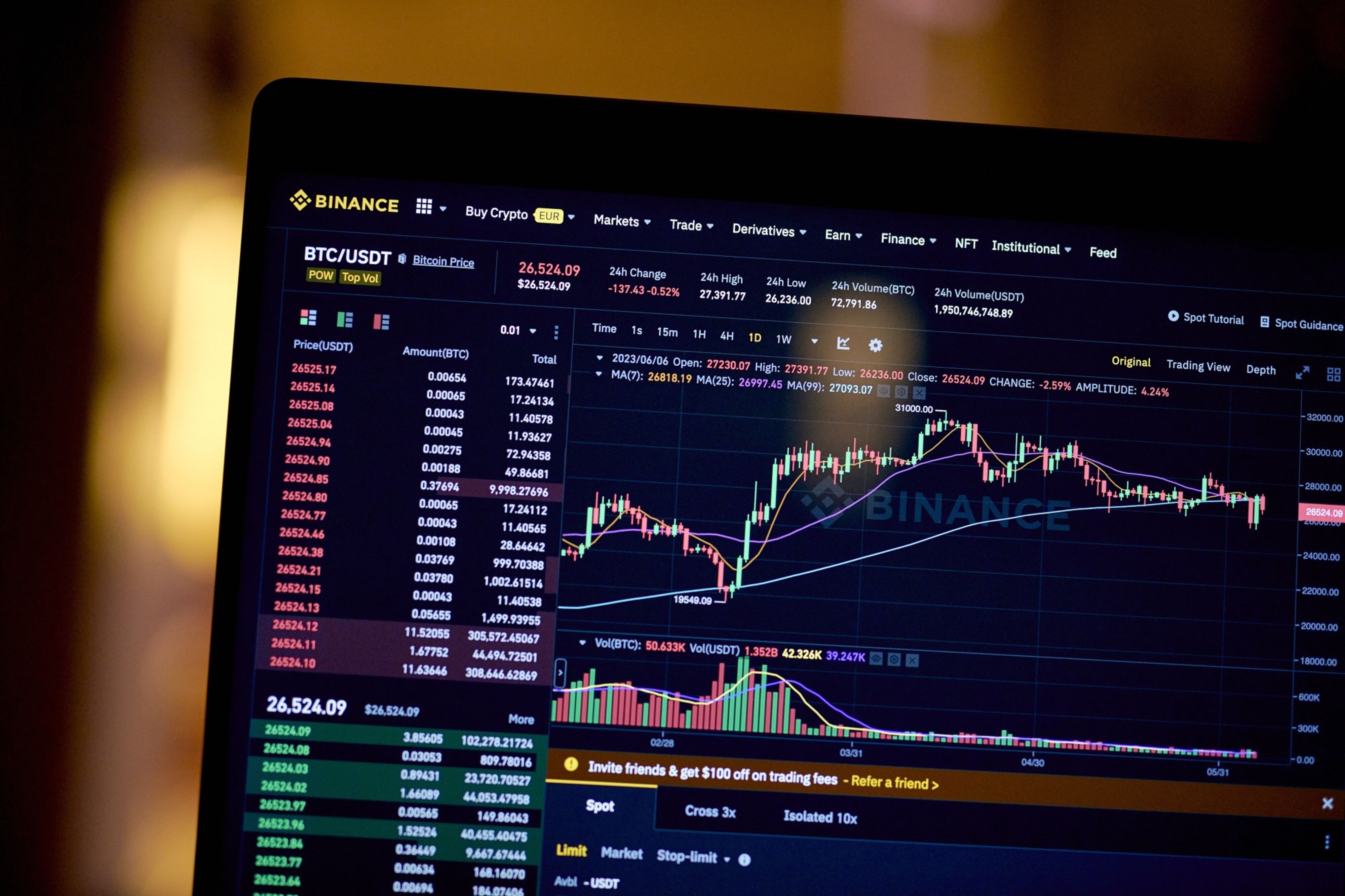
Binance has suspended all withdrawals after a breach that led to the diversion of US$ 6.3 billion, or about R$ 34 billion. For high-risk payment and crypto operators, the important part is not some science-fiction break in blockchain security: the attackers appear to have used valid credentials from a compromised engineer’s machine, which is a much more familiar problem.
- According to the report, the attack did not break the blockchain structure. Leonardo Cardoso, Institutional Relations Director at TI Safe, said he does not believe cryptography was cracked and that the more plausible path was access through valid credentials, apparently after the attackers compromised an employee’s computer and then used it to execute transactions.
- The theft happened fast. Cardoso said the full extraction of funds took between 10 and 20 minutes. The attackers used legitimate compromised logins to carry out leveraged operations and borrowed additional funds as collateral using the Ethereum network.
- The article says Binance’s preliminary investigations point to the computer of an operations engineer. That matters because operations engineers sit close to both software development and infrastructure maintenance, which gives them broad access to critical environments and makes their devices a high-value target for unauthorized withdrawal instructions.
- Binance has already frozen almost half of the volume moved and said a reserve fund will cover customer compensation. In practice, that is the part PSPs and exchanges care about: once valid credentials are used to make actions look legitimate to the system, the window for freezing the main transaction can close very quickly.
The broader lesson for payment and crypto infrastructure is plain enough. The system may remain intact, but if a compromised workstation can produce instructions that pass as authorized, the security failure sits in access control, not in the chain itself.
Related news
All news →

Weekly high-risk digest
Regulation, sanctions and payment news across your verticals — once a week, free.
Please check your inbox and click the link to confirm your subscription.
Please enter a valid email address!