Brazil’s betting ban accounts for 83% of the fiscal loss the IFI flagged, but the real number is almost three times higher than the government’s
The Brazilian government says banning fixed-odds betting will cost it R$ 5.3 billion in 2027. The country’s own 2025 and first-half-2026 data point to something closer to R$ 14.6 billion a year, which matters because this is the kind of number that shapes whether a market is treated as a meaningful tax base or as a political problem to be shut down.
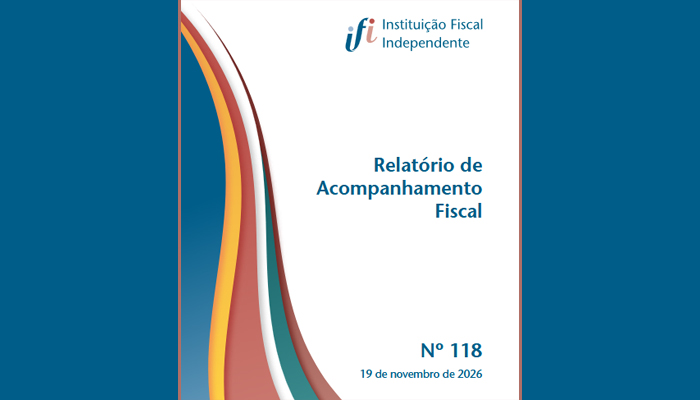
- The Independent Fiscal Institution (Instituição Fiscal Independente, IFI), the Senate’s technical fiscal body, published its 118th Fiscal Monitoring Report (RAF) on Thursday (19/11). According to the report, measures announced by the government after the 2027 Annual Budget Bill (PLOA) was sent to Congress add R$ 40.1 billion in spending and cut revenues by R$ 6.4 billion.
- Of that R$ 6.4 billion revenue loss, R$ 5.3 billion is tied to the expected end of the bets market. In other words, the betting ban accounts for 83% of the total revenue the government says it will give up after the PLOA. The remaining R$ 1.1 billion comes from debt forgiveness for microentrepreneurs (MEIs).
- The catch is that IFI is using the government’s own estimates, and those estimates are low. Planning Minister Bruno Moretti put the betting-related loss at R$ 1.5 billion in revenue still expected for the rest of 2026, plus R$ 5.3 billion in the 2027 PLOA, for a total of R$ 6.8 billion through the end of next year.
- Official data from the first year and a half of the regulated market, obtained by BNLData via a public records request (Lei de Acesso à Informação, LAI) from the SPA/MF and the Federal Revenue Service, tell a different story. In 2025, operators returned R$ 14.45 billion to the government and society: R$ 9.95 billion in federal taxes (IRPJ, CSLL, PIS/Cofins and social security contributions) and R$ 4.5 billion to the legal beneficiaries under Law 14.790/2023. Full-year GGR (gross gaming revenue) was R$ 36.9 billion.
- In the first half of 2026, federal tax collection reached R$ 7.284 billion, with GGR at R$ 20.07 billion, up 15.3% from the same period in 2025. Over 18 months, the sector collected about R$ 21.7 billion, or an average of R$ 1.2 billion per month. On that basis, the government’s R$ 5.3 billion estimate for 2027 works out to R$ 442 million per month, a little over one-third of the actual run rate; annualized, the first half of 2026 points to about R$ 14.6 billion a year, 2.75 times the government’s figure.
One more detail matters for anyone tracking how tax policy hits regulated betting: the legal-beneficiary transfers alone averaged R$ 413.5 million per month in the 12 months through June 2026. At the 14% GGR rate planned for 2027, that transfer would come to about R$ 5.3 billion. So the official loss number appears to cover only the money flowing to beneficiary funds and ministries, while leaving out the federal taxes paid by the operators themselves.
Related news
All news →


Weekly high-risk digest
Regulation, sanctions and payment news across your verticals — once a week, free.
Please check your inbox and click the link to confirm your subscription.
Please enter a valid email address!