US House subcommittee weighs problem gambling on college campuses as sports betting stays prevalent
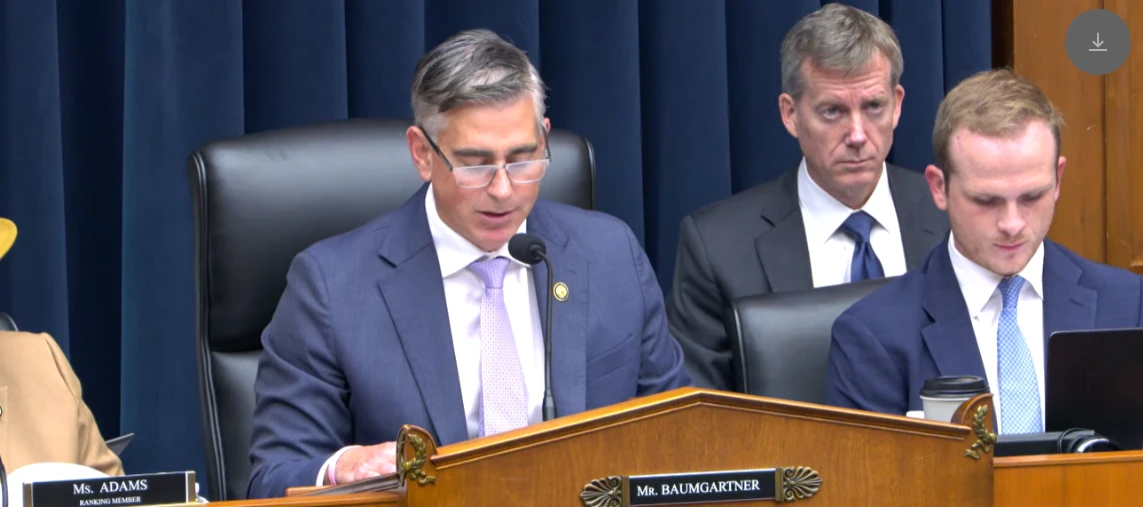
A US House Subcommittee spent nearly two hours on Wednesday looking at how to reduce problem gambling among students, alongside the related issues of athlete harassment, match manipulation and sports integrity. For PSPs and operators, the useful part is simple: campus betting is no longer being discussed as a niche behavioral issue, but as a downstream risk tied to payments, debt, and regulated sports betting exposure.
- Rep. Michael Baumgartner, the subcommittee vice chair, said lowering problem gambling rates among college students should be a major priority for the industry. He cited an undergraduate survey released last month that found 31 percent of male students and 25 percent of female students know someone who experienced “financial distress or academic fallout from online wagering losses.”
- Baumgartner also said students who had gambled online were 10 percent more likely to report struggling to pay for basic expenses such as medication, transportation and housing than students who had never gambled. For payment providers, that is the kind of consumer stress signal that tends to show up before disputes, failed payments and affordability concerns become visible in the merchant file.
- The hearing at the House Rayburn Office covered prediction markets, sports integrity, personal debt and loss chasing. Witnesses included Cindy Clouner of The Ohio State University and Dr. Lindsey Mortenson of the University of Michigan, both focused on mental health treatment and addiction recovery, plus Dr. Daniel Durkin of the University of Mississippi, who discussed how sports betting has exposed student-athletes to harassment and raised concerns about college athletics integrity.
- The subcommittee met while federal prosecutors in Philadelphia continue to work through a point-shaving case described as one of the most serious match-fixing investigations in college basketball since the CCNY scandal of 1951. One alleged ringleader, Mississippi resident Marves Fairley, has pleaded guilty to multiple charges in connection with the conspiracy.
The hearing also came against the backdrop of data from Kindbridge Behavior Research, which found that active-service members screen positive for problem gambling at a rate of 68.6%, nearly four times the general population. The subcommittee used Veterans Day to frame the broader discussion around gambling risk, but the immediate focus stayed on universities, where sports betting is now part of the environment rather than an edge case.
Related news
All news →


Weekly high-risk digest
Regulation, sanctions and payment news across your verticals — once a week, free.
Please check your inbox and click the link to confirm your subscription.
Please enter a valid email address!