Q2 2026 iGaming regulation: the UK raises Remote Gaming Duty to 40%, Brazil tightens oversight, and Finland moves toward licensing
The second quarter of 2026 brought a familiar but expensive pattern for iGaming: higher taxes, stricter checks, and more pressure on operators to prove they can run clean books and clean compliance. For PSPs, acquirers, and banks, the message is straightforward — market access is still there, but the cost of staying inside the fence keeps going up.
- Across Europe, Latin America, and Asia, regulators moved toward tighter frameworks aimed at player protection, anti-illegal activity enforcement, and greater financial transparency. The practical effect is higher operating cost for companies in the sector, which means more pressure on compliance infrastructure, payment controls, and ongoing monitoring.
- In the United Kingdom, one of the quarter’s biggest changes was a reform of the online operator tax system. Remote Gaming Duty was increased to 40%, while funding mechanisms for prevention and treatment programs for problem gambling were expanded. At the same time, the market saw stricter affordability checks, reinforced verification processes, and closer scrutiny of marketing and affiliate activity.
- For operators, the UK remains one of the most attractive and mature iGaming markets, but also one of the most expensive and complex from a regulatory standpoint. That combination matters for payment providers as well: higher tax friction and tighter verification standards usually mean more operational load at onboarding, settlement, and ongoing account review.
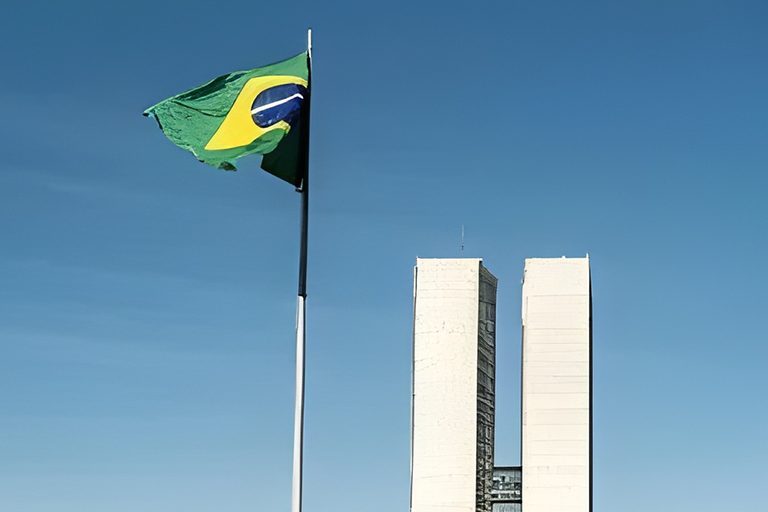
- Brazil moved from market opening into regulatory consolidation. During Q2, the Secretariat of Prizes and Betting (SPA) advanced its 2026–2027 regulatory agenda with measures focused on tackling unlicensed operators, strengthening AML controls, improving licensing processes, and reinforcing responsible gambling tools.
- In Brazil, the priority is no longer entry into the market but proving that licensed operators can maintain high compliance standards. In that environment, product localization, payment efficiency, and customer management capabilities become the differentiators that decide who scales and who stalls.
- Finland continued its transition from a long-standing monopoly model toward a multi-licensing system expected to launch in 2027. Authorities are currently working on regulatory requirements, deposit limits, and self-exclusion systems as part of the move to the new framework.
For high-risk payment teams, the pattern across all three markets is the same: regulation is no longer just about whether a vertical can operate, but about how much friction the operator and its payment stack can absorb before margins start to compress.
Related news
All news →
Weekly high-risk digest
Regulation, sanctions and payment news across your verticals — once a week, free.
Please check your inbox and click the link to confirm your subscription.
Please enter a valid email address!