Brazil: New figures put the size of the betting market under the microscope
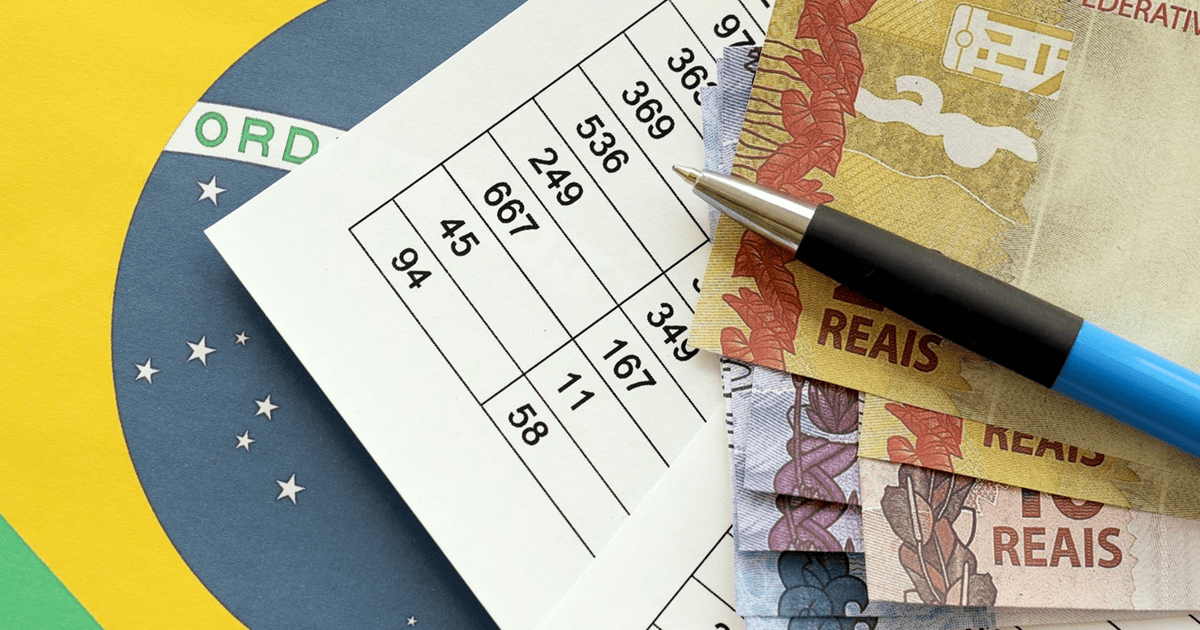
Brazil’s federal-licensed betting operators received US$41.6 million (R$220.6 million) in deposits during 2025, according to Finance Ministry data obtained via a Freedom of Information request. Of that, US$6.9 million (R$36.9 million) became operator revenue — a figure that matters because it is the hard number regulators, banks, and PSPs use when they try to understand how much of the market is actually flowing through licensed rails.
- The Finance Ministry published the figures for the first time, and only on a preliminary basis. The SPA (Secretariat of Prizes and Bets), which sits under the ministry, said the numbers may still change once verification processes are completed.
- Brazil’s betting operators kept 16.7% of total deposits, which is above the legal maximum of 15% and also above the 7% the sector itself had reported. The remaining US$34.7 million (R$183.7 million) went to prize payouts and withdrawable bonuses, meaning funds players can cash out at any time.
- Under current Brazilian rules, 88% of revenue stays with betting companies, while 12% is split between the federal government and beneficiary entities, including charities. That share rises to 13% in 2026 and 15% in 2028. On top of that, operators pay federal, state, and municipal taxes. Financial statements from operators such as Blaze show profit margins close to 30%, similar to BTG Pactual’s.
- Activity levels were not small. On average, 9.25 million Brazilians placed bets each month in 2025, with October peaking at 10.82 million bettors as the Brazilian Championship reached its final stages and the Copa Sudamericana and Copa Libertadores entered the knockout rounds. In total, 25 million people in Brazil made at least one bet during the year.
- There is a large gap between the official data and the estimate published in July by Comsefaz (National Commission of Finance Secretaries), which calculated R$350.97 million in Pix transfers to the betting sector and a R$62.5 million loss for Brazilian families. The industry says the discrepancy reflects the presence of illegal sites. ANJL (National Association of Games and Lotteries) said the Comsefaz study did not account for more than 25 illegal addresses shut down by the Treasury in 2025, nor for changes that pushed more users toward Pix. It also said the analysis picked up transfers from individuals to legal entities in areas such as arts, culture, sports, and recreation, not only betting.
For PSPs and acquirers, the useful part is not the headline number but the spread between reported deposit volume, operator revenue, and competing public estimates. In a market where the government has now put preliminary figures on the record, licensed traffic, illegal-site displacement, and Pix usage are all part of the same underwriting conversation.
Related news
All news →
Brazil bans online fixed-odds betting nationwide as Lula signs Provisional Measure No. 1,394
/https://i.s3.glbimg.com/v1/AUTH_59edd422c0c84a879bd37670ae4f538a/internal_photos/bs/2026/Y/0/v2wti0SXaSBGcDyBzkuQ/montagem-two-rows-1280x720px.jpg)
Before the ban, what Brazil’s presidential candidates were saying about online betting
Brazil: Why a Quick Reversal of the Gambling Crackdown Should Not Be Expected, According to Ilya Machavariani
Weekly high-risk digest
Regulation, sanctions and payment news across your verticals — once a week, free.
Please check your inbox and click the link to confirm your subscription.
Please enter a valid email address!