Michigan expands ban on Kalshi sports event contracts, sets August 12, 2026 geofencing deadline
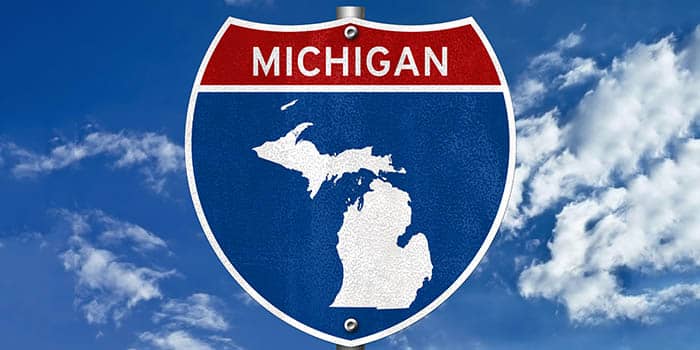
Michigan has kept its pressure on Kalshi, saying the platform’s sports event contracts must stay blocked in the state and that the company must geofence Michigan by August 12, 2026 or face a $500,000 fine. For PSPs and operators, the point is simple: this is not a theoretical dispute over product labeling, but an enforceable state-level blocking order with a deadline.
- Michigan said Kalshi’s sports event contracts will remain blocked in the state and set August 12, 2026 as the deadline for geofencing, meaning Kalshi must restrict access for Michigan-based users. The state also warned of a $500,000 fine for non-compliance.
- The move follows Judge Rosemarie Aquilina of the 30th Circuit Court ruling on June 29 that Kalshi was offering illegal gambling. She rejected Kalshi’s argument that the product should be treated as a financial instrument, saying, “But you aren’t really talking about commodities, interest rates, things like that, but gambling, which has traditionally been denied by the states.”
- Kalshi had previously been ordered to geofence Michigan or pay a $120,000 daily fine for each day of non-compliance, but that ruling was paused while the court agreed to hear Kalshi’s arguments on how feasible geofencing would be and how quickly it could be implemented.
- Michigan is one of only two states, alongside Nevada, to successfully enforce blocking orders against prediction market platforms. That matters for anyone watching how far state regulators can actually push when they want a platform out of a market.
- Kalshi has been working with GeoComply on the geofencing effort, but its lawyer Will Havemann said the timeline is still unclear. “The honest answer is that I don’t know yet. I think that will be clearer after our engineers talk to one another,” he said.
Assistant Attorney General Lauren Fitzsimons said platforms may have an incentive to slow-roll geofencing, adding: “Part of why Kalshi is trying to drag this out is the World Cup. Over the last 30 days, Kalshi’s volume has been $30 billion.” For high-risk payment providers, the operational lesson is that once a state order turns into a blocking and geofencing issue, the commercial upside of keeping traffic live can collide very quickly with enforcement risk.
Related news
All news →
Weekly high-risk digest
Regulation, sanctions and payment news across your verticals — once a week, free.
Please check your inbox and click the link to confirm your subscription.
Please enter a valid email address!