Pix in Brazil: how the central bank rebuilt payments and what it costs
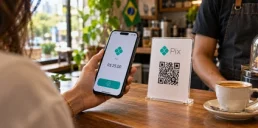
Brazil’s Pix has turned instant account-to-account payments into the default way to pay in shops, while the central bank itself runs the rules, the rails, and the address book. For PSPs, the interesting part is not the novelty — it is the governance model, the pricing, and the fraud and dispute mechanics that sit underneath the convenience.
- The central bank of Brazil does five jobs in Pix: it is the regulator, the rulemaker, the developer, the settlement operator, and the owner of the address directory for payment keys. The infrastructure was launched in November 2020 under central bank resolution 1/2020, based on a 2013 law, and it moved from idea to live system in less than two years.
- Pix runs on instant interbank settlement in central bank money, 24/7. Payments can be addressed by phone number, e-mail, tax ID, a random key, or QR code, and the payer initiates the transfer through their bank app. Licensed initiators also include wallets and fintech companies.
- For individuals, the fee is prohibited by regulation. There is no interbank fee by design. Merchants pay 0.35–0.99% under public price lists, while zero pricing for merchants exists only as a commercial offer with conditions attached. In the market as a whole, about 70% of in-store acceptance happens without confirmation at the checkout, which helps explain why fake receipts are the most common retail fraud in Brazil.
- In 2025, Pix processed 80 billion transactions, about 1.7 times more than all cards combined, though part of that volume is person-to-person transfers. The payment value reached about €5.6 trillion. In a coffee shop in São Paulo, a cashier may simply check whether “Pix sent” appears on the customer’s phone instead of using a terminal at all.
- The refund mechanism was introduced by the regulator, but it covers only about 9% of requested amounts and does not cover disputes with the merchant. That matters for PSPs because the system solves settlement speed, not the merchant-customer argument that follows when something goes wrong.
Pix has also changed card usage. It stopped debit card growth, but not credit card growth, which is still supported by interest-free installments. For operators deciding whether to build around A2A, that is the part to watch: a state-run rail can scale fast, but it also sets the pricing logic, the dispute rules, and the political heat.
Related news
All news →
Brazil’s online betting ban hits Flutter, Entain and the rest of the market

Finland’s open gambling market draws 75 licence applications ahead of 1 July 2027 launch
German court allows hacker Lilith Wittmann to use documents obtained from a breach of the Malta Gaming Authority systems
Weekly high-risk digest
Regulation, sanctions and payment news across your verticals — once a week, free.
Please check your inbox and click the link to confirm your subscription.
Please enter a valid email address!