Brazil’s betting ban triggers a public protest across 10 stadiums and two top clubs
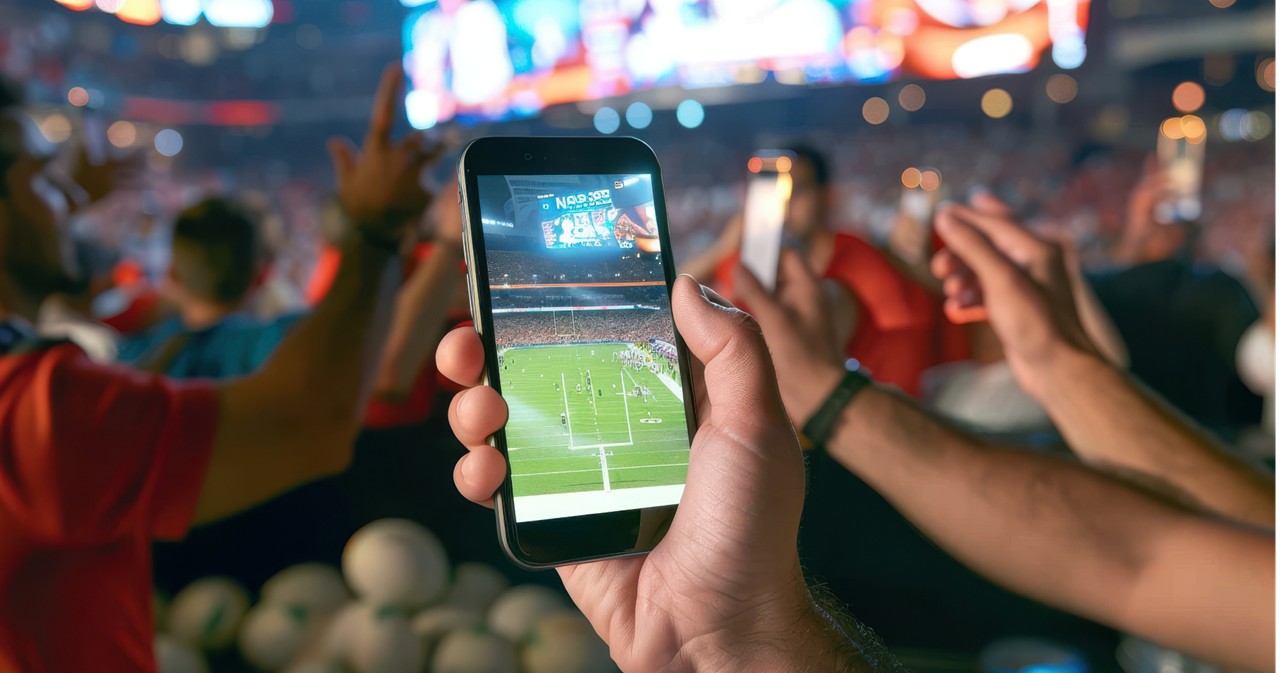
The betting sector in Brazil has taken its fight against the ban to the country’s biggest football stage. With fixed-odds betting operations ordered to stop under Provisional Measure No. 1.394/2026, industry groups are using the Brasileirão to argue that prohibition pushes users toward the illegal market rather than protecting them.
- The ban entered into force on 25 September, after President Luiz Inácio Lula da Silva signed Provisional Measure No. 1.394/2026. The measure ordered the end of fixed-odds betting operations across Brazil and left companies that had been operating in the regulated market without activity.
- The industry’s next battleground is political as much as commercial: both the National Congress and the Supreme Federal Court (STF) are set to analyze the measure after the second round of the presidential elections, scheduled for Sunday 25 October. In the meantime, the sector chose football as the loudest available venue.
- The Brazilian Institute for Responsible Gaming (IBJR) and the National Association of Games and Lotteries (ANJL) placed their message on advertising boards at ten matches during matchday 31 of the Brazilian Serie A, played between Friday 16 and Monday 19 October. Their main slogan was “Prohibiting is not protecting,” joined by lines such as “Real protection starts with rules,” “Regulation is protection,” and “Brazil banned it and the illegal market invaded.”
- The campaign also moved onto shirts. On Saturday 17, São Paulo played Vasco da Gama at Morumbi with the slogan printed across the front of its jersey, taking over the space normally occupied by Superbet, the club’s main sponsor.
- On Sunday 18, Flamengo repeated the gesture against Bahia. It was the third time the Rio club used its kit to protest the ban, with IBJR and ANJL framing the actions as part of a nationwide mobilization.
The core argument is simple and useful for PSPs: the ban did not remove demand, it redirected it. Carlos Lima, executive director of IBJR, said the prohibition opened space for clandestine operators that are outside supervision, consumer-protection mechanisms, and monitoring tools used to combat match-fixing. Plínio Lemos Jorge, president of ANJL, said users are exposed to more than 30,000 illegal sites that remain active in Brazil.
Related news
All news →


Weekly high-risk digest
Regulation, sanctions and payment news across your verticals — once a week, free.
Please check your inbox and click the link to confirm your subscription.
Please enter a valid email address!