Home
/
news
/
Brazil’s Lula government announces a nationwide ban on fixed-odds betting with numbers that don’t add up
news
Brazil’s Lula government announces a nationwide ban on fixed-odds betting with numbers that don’t add up
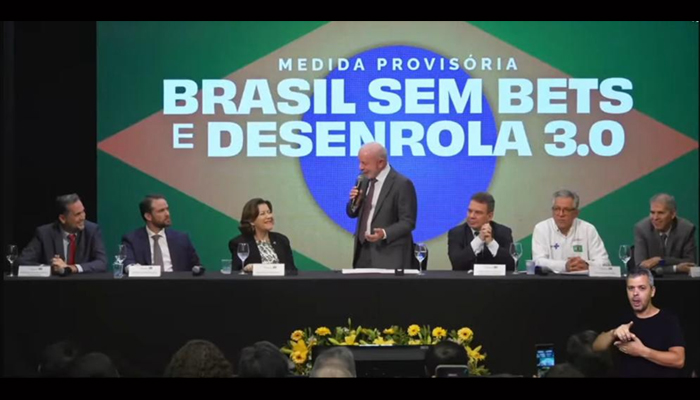
Nine days before the first round, the Lula government announced a provisional measure banning the operation, offering, brokerage, and advertising of fixed-odds betting across Brazil. The problem for high-risk operators and PSPs is not just the ban itself, but the way it was sold: inflated figures, pre-regulation studies, and political anecdotes dressed up as policy evidence.
- At the event in São Paulo on Friday (25), Lula was joined by ministers Dario Durigan (Fazenda), Alexandre Padilha (Health), Wellington César Lima e Silva (Justice and Public Security), Bruno Moretti (Planning), Miriam Belchior (Casa Civil), and Sidônio Palmeira (Secom). The government spent about one hour making the case for the measure, but the presentation leaned on numbers without sources, studies built before regulation, and individual stories.
- Durigan said that “in the market that had until then been legalized, we have more than R$ 60 billion that went to betting companies,” adding that the money had been “sterilized from the point of view of family use.” The official figures published by the Ministry of Finance point elsewhere: regulated gross gaming revenue (GGR) was R$ 36,9 billion in 2025, and R$ 20,07 billion in the first half of 2026, according to data obtained by BNLData under Brazil’s Access to Information Law. Taken together, the regulated period with available data reaches R$ 56,97 billion, still below the minister’s figure.
- The R$ 60 billion line is closer to another estimate floating around the debate. According to Comsefaz, Brazilian families lost about R$ 62,5 billion on online betting and casinos in 2025. That is not the official statistic of the Secretariat of Prizes and Betting. And the framing matters: GGR is not money that “disappeared” from the economy. Part of it returned to the government via taxes and licensing fees, and another part paid salaries, club sponsorships, and media contracts in Brazil.
- Padilha presented an IEPS study that estimates an annual “social cost” of R$ 38,8 billion from betting. The underlying methodology is the real story here. According to Padilha, R$ 17 billion represents “additional deaths by suicide” and about R$ 10,4 billion relates to lost quality of life associated with depression, while only R$ 3 billion corresponds to people who actually sought health services. Even so, he said R$ 30,6 billion, or “almost 80%,” would be “costs directly related to health.” In the system, the actual recorded healthcare spend is R$ 3 billion, less than 8% of the total.
- The government’s broader claim is that the regulated market it itself launched 22 months ago is causing the harms the provisional measure says it wants to fight. On the material presented Friday, that link was asserted rather than demonstrated. For PSPs, acquirers, and banks, that is the key operational takeaway: the policy move is being driven by a political narrative, not by cleanly presented regulatory evidence.
Related news
All news →
news
Brazil’s MP 1.394/2026 ends licensed fixed-odds betting in 30 days, keeps the fees, and leaves operators on the hook

news
ABRAJOGO says Brazil’s ban on fixed-odds betting breaks the regulatory framework and weakens legal certainty
news
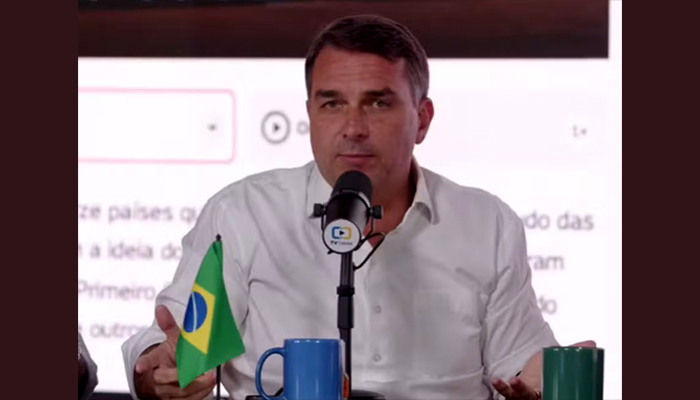
Flávio Bolsonaro attacks Brazil’s bet ban as Lula’s government moves to outlaw online gambling 9 days before the election
Weekly high-risk digest
Regulation, sanctions and payment news across your verticals — once a week, free.
Please check your inbox and click the link to confirm your subscription.
Please enter a valid email address!