Home/news/Trump says he will talk to North Korea about the Binance hack after FBI attribution
news
Trump says he will talk to North Korea about the Binance hack after FBI attribution
Payments High Risk
2 Nov 2026 · 2 min read
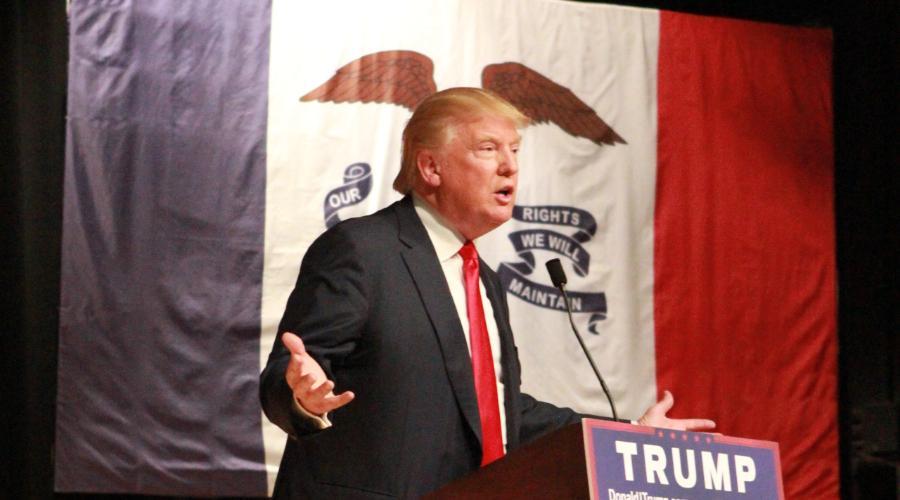
The Binance breach is now a political and compliance story as much as a security one. After the FBI formally blamed North Korea, Donald Trump said the U.S. was “looking into it” and would talk to Pyongyang if the attribution holds.
The question came at Trump’s first public appearance since the hack, on October 31 at a Halloween party. Journalists asked him what he knew about the FBI’s allegations against North Korea and how concerned he was. Trump replied: “We’re looking into it... You know, I’m not concerned. We’re looking at the facts. We don’t know yet if it was North Korea. But if it is, we’ll talk to them about it.”
Right before that, the FBI formally attributed the theft of crypto assets to North Korea. The bureau said the attack was carried out by the North Korean hacking group TraderTraitor, and that the stolen funds were being converted mainly into ether. The FBI said the attackers may use DeFi platforms and instant swap services to move the stolen assets further, and asked node operators at THORChain and RPC nodes, exchanges, DeFi platforms, and other providers to monitor and block transactions linked to the theft.
The FBI published 608 Ethereum addresses, 19 Bitcoin addresses, and one Solana address tied to the attack. Earlier, analysts at TRM Labs had also pointed to possible North Korean involvement. Blockchain analyst SomaXBT said the hackers moved the stolen crypto through Tron less than two days after the attack, routing funds through Relay, THORChain, Chainflip, and Symbiosis.
According to SomaXBT, about $3.5 billion in stolen assets on other networks remain unblocked and could still be laundered. Immediately after the attack, the hackers tried to move about $628 million on Tron, including 612.7 million USDT and 46.4 million TRX. Tether froze roughly 378.7 million USDT.
The hack happened on the night of October 29 to 30. Binance estimated the damage at more than $6 billion and said it managed to block about 44% of the stolen funds. In preliminary findings, the exchange said the attackers gained access through the personal laptop of one of its DevOps engineers, then moved into a service container and triggered an unauthorized withdrawal. Binance suspended deposits and withdrawals right after the incident, allowed partial withdrawals only two days later, and said clients withdrew $3.64 billion on the first day alone, or about 2.1% of its $171 billion in total assets. The exchange also said it would use $6.34 billion of its own funds to cover losses.
For PSPs, exchanges, and other high-risk operators, the practical message is blunt: once a theft gets attributed to a state-linked group, the response shifts from incident handling to chain-wide monitoring, asset freezing, and pressure on infrastructure providers to act fast.