New Jersey asks the U.S. Supreme Court to decide whether Kalshi’s sports contracts fall under state gambling rules
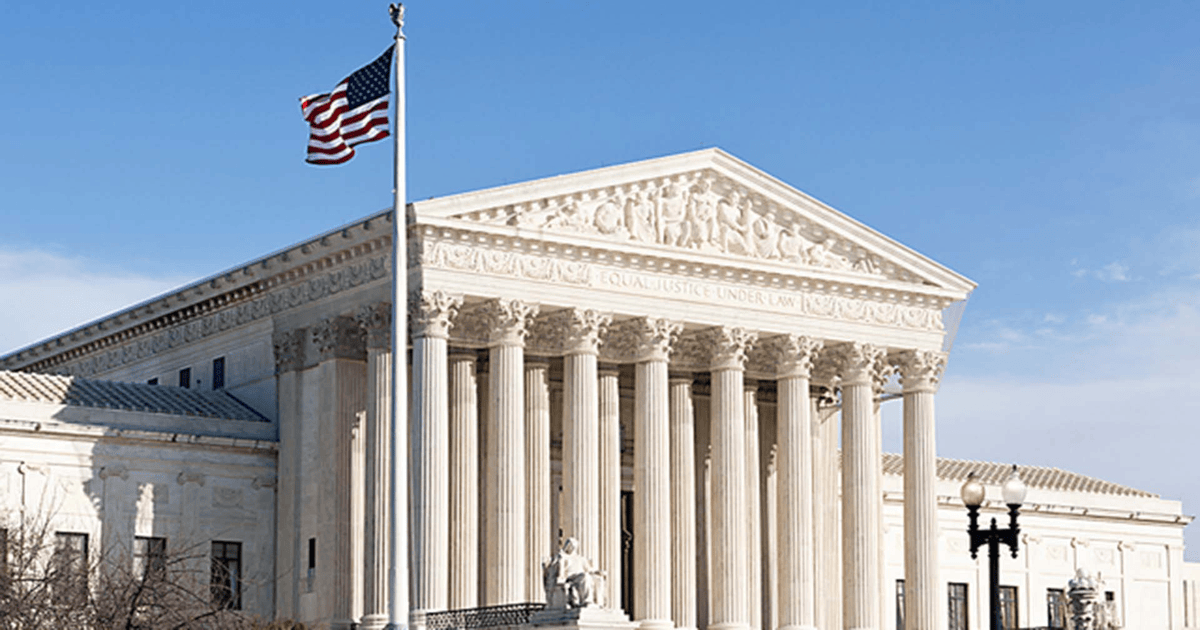
New Jersey has formally asked the U.S. Supreme Court to decide whether states can regulate sports betting offered through prediction markets the same way they regulate traditional sportsbooks. For high-risk operators, the answer matters because this is really a question about who gets to police the product: state gaming regulators or the CFTC.
- New Jersey’s filing is a 332-page petition, written by Attorney General Jennifer Davenport, asking the Supreme Court to overturn an April 2026 ruling from the U.S. Court of Appeals for the Third Circuit that gave the CFTC exclusive oversight of Kalshi’s sports-related operations.
- In that April decision, the Third Circuit voted 2-1 to treat prediction-market contracts as swaps. That classification matters because swaps fall under federal CFTC supervision under the regulatory changes introduced by the 2010 Dodd-Frank Act.
- New Jersey’s regulators say the products function like traditional sports bets, so Kalshi should comply with state gambling laws, including commercial licensing requirements and strict age limits designed to protect local consumers. Davenport also argued that these platforms do not have legal authority to sell products without following local law.
- Kalshi’s legal team says the company is offering financial investment instruments, not gambling tickets, and that federal oversight under the Commodity Exchange Act blocks state interference. In other words: on paper, this is a derivatives case; in practice, it is a fight over whether a sports event contract gets treated like a wager.
- The dispute widened after the U.S. Court of Appeals for the Ninth Circuit took the opposite view in a similar case involving Nevada. The Ninth Circuit agreed that the CFTC has supremacy over standard swaps, but said Congress did not clearly authorize sports event betting to be folded into that category.
That split between circuits is the kind of thing that tends to push a case toward the Supreme Court, because different legal rules in different parts of the country are not a workable setup for businesses that want one product and one compliance framework. For prediction markets, sportsbooks, and PSPs watching the space, the practical issue is whether state gaming licensing or federal derivatives oversight ends up being the controlling regime.
Related news
All news →

Weekly high-risk digest
Regulation, sanctions and payment news across your verticals — once a week, free.
Please check your inbox and click the link to confirm your subscription.
Please enter a valid email address!