SBC Summit 2026 drew 40,000 delegates to Lisbon as prediction markets and Brazil’s betting reset took center stage
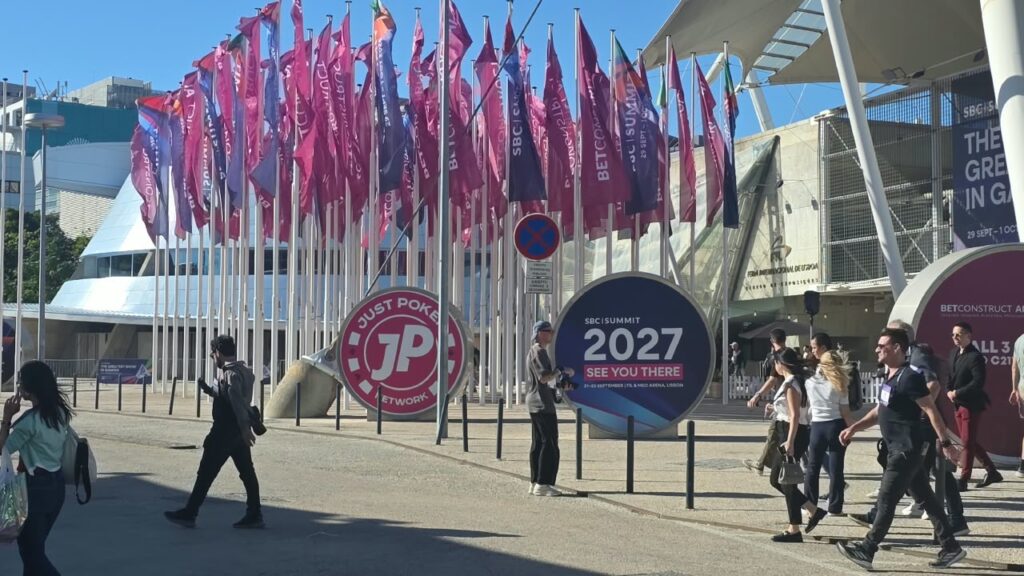
SBC Summit 2026 ran from September 29 to October 1 at Feira Internacional de Lisboa (FIL) and MEO Arena, marking its third consecutive year in Lisbon. The event mattered for high-risk payments because it put regulation, sportsbooks, prediction markets, and payment-facing product teams in the same room, with Brazil’s latest move and the legal status of prediction products at the center of the discussion.
- The organizers projected around 40,000 delegates from more than 150 countries, with more than 11,000 operators confirmed. The show floor included more than 800 exhibitors, and the program featured more than 600 speakers across multiple stages.
- The agenda was built for people who actually ship this stuff: executives, founders, and leaders across product, payments, and marketing. SBC combined themed stages, expert-led academies, masterclasses, and dedicated tracks for AI and crypto, plus a product innovation stage and sessions on sports trading and responsible gaming.
- This year added several separate formats: an independent Affiliate Leaders Summit, the Global Prediction Markets Forum, and the African Gaming Forum, along with a redesigned networking program. In other words, the event was not just a conference; it was a stack of vertical-specific rooms for people trying to place bets on where the market goes next.
- Brazil set the regulatory tone on day one. The summit opened four days after Brazil banned fixed-odds betting and online casino games, and executives from Flutter, Allwyn, and Betsson publicly criticized the measure.
- The biggest media moment was a keynote on leadership in sports business, with Michael Jordan appearing alongside Jason Robins, CEO of DraftKings, and Carsten Koerl, founder and CEO of Sportradar. Koerl said cameras and tracking systems can capture around 60 data points per player 150 times per second, feeding live betting and predictive models.
- Prediction markets were the thread running through the event. Robins compared the current surge to NFT mania: nobody knows in advance whether the category will last, so DraftKings wants upside if it grows and limited damage if it does not. Legal panels with representatives from Kalshi, Crypto.com, and Betr debated whether these products are gambling in the United States and Europe.
- At the Payment Expert Summit, a Holland & Knight lawyer said a $1 contract on a sports outcome has the elements of gambling, even as Kalshi and Polymarket present such products as CFTC-regulated swaps to avoid state licensing. That distinction matters for PSPs and acquirers because the product label and the regulatory label are not always the same thing.
- Integrity was the other recurring worry. Tom Mace of Sportradar argued that prediction markets should be part of the solution rather than the problem, while another panelist said IBIA has licenses in 34 U.S. states and that some regulators told it that partnering with these markets could put those licenses at risk.
For high-risk payment providers, the useful takeaway is plain enough: prediction markets are no longer a niche side topic, Brazil’s rules can change the commercial math overnight, and venues like Lisbon are where operators, lawyers, and PSPs test how far the market can stretch before regulators push back.
Related news
All news →
Stablecoin payments rose 45% to $482 billion through September as Mastercard, Stripe and Visa tie crypto to card and bank rails
Brazilian lawmakers file 97 amendments to betting ban, seeking to restore a regulated market
Bitget cuts off Russia, Belarus, and Kazakhstan clients as CIS enforcement and casino-linked cashouts keep tightening
Weekly high-risk digest
Regulation, sanctions and payment news across your verticals — once a week, free.
Please check your inbox and click the link to confirm your subscription.
Please enter a valid email address!