Fake betting pools, counterfeit PIX receipts, and pirate streams: how to avoid digital scams during the World Cup

The World Cup drives a spike in online activity, and that gives fraudsters a very convenient opening: more payments, more betting, more urgency, and more people clicking on things they should not click. For high-risk operators and PSPs, the practical risk is not abstract — it shows up as phishing, credential theft, fake payment proof, and chargeback-friendly fraud.
- According to Jardel Torres, Commercial Director (CCO) at OSTEC, major sports events create ideal conditions for digital attacks because they combine urgency, emotion, and higher online transaction volumes. In other words, the same ingredients that drive traffic also make scams easier to sell.
- The main threats mentioned for the tournament are fake betting pools, fraudulent PIX receipts, pirate broadcasts, fake promotions, and fake betting sites. The playbook is familiar: criminals mimic something fans already expect to see during the event, then use that familiarity to get money or credentials.
- The AI angle makes the problem more annoying than usual. Research from Reclame AQUI found that 63% of respondents say they cannot identify scams produced with AI. That matters because AI makes it easier to generate ads, messages, websites, and even fake videos that look credible enough for a quick click.
- Companies are also in the blast radius. During matches, employees often access streams, pools, and promotions from corporate devices, which can expose the business to phishing, credential theft, and information leaks. Torres’ warning is simple: verify official sites, avoid unknown links, and do not use corporate devices or accounts for personal World Cup-related activity.
- PIX fraud tends to rise during big sports events as well. Rafaela Helbing, CEO of Data Rudder, said that increased payments and transfers create opportunities for criminals. The text specifically flags fake betting pools, where scammers collect money by promising match-related prizes, and counterfeit PIX receipts used to simulate payment.
For PSPs, acquirers, and banks serving betting, adult, crypto, and other high-risk verticals, the useful takeaway is that tournament periods compress risk into a short window: more traffic, more social engineering, and more payment attempts that look legitimate at first glance. The fraud pattern is not new; the volume is.
Related news
All news →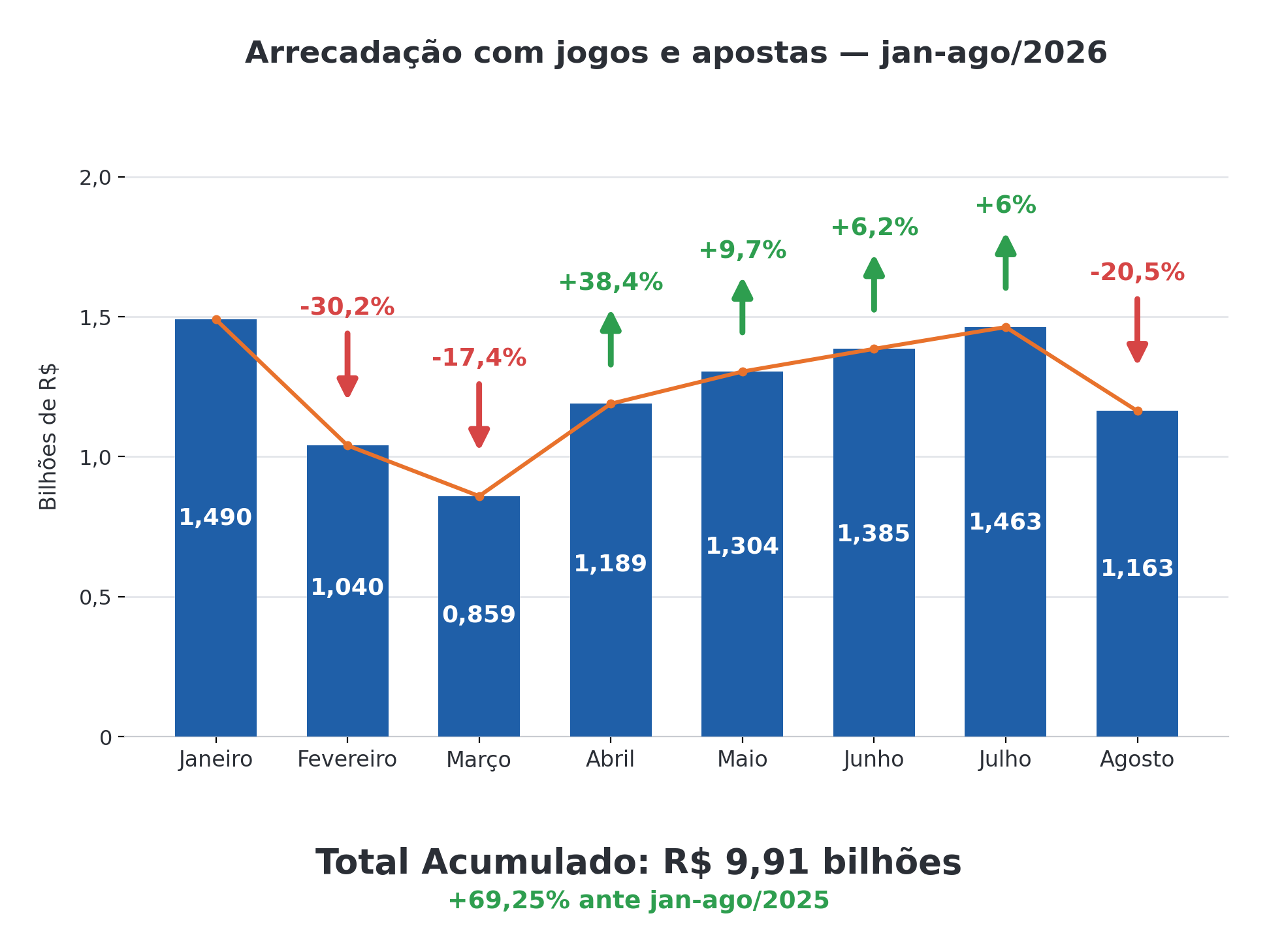
Brazil collected R$ 9.91 billion from betting and gambling taxes from January to August 2026

Sports betting sponsorships in Brazilian football reached R$ 1.03 billion in 2025 as clubs face R$ 17.3 billion in debt
First Dutch online gambling licence renewals confirmed ahead of 2026 expiry
Weekly high-risk digest
Regulation, sanctions and payment news across your verticals — once a week, free.
Please check your inbox and click the link to confirm your subscription.
Please enter a valid email address!