How licensing changes the game for players, partners, and the market

For players, a licence does not always make betting easier. It often means more checks, more procedures, and more restrictions. But for PSPs, affiliates, advertisers, and sports partners, that same licence is what turns an operator from “looks fine” into something with a measurable compliance posture.
- For the player, regulation adds friction, but it also adds structure. The operator is subject to regulatory supervision and can be held responsible for rule breaches. The player is no longer dealing only with a brand that says it is safe, but with a company that sits under external oversight.
- That changes how trust works. In an unregulated environment, trust depends heavily on the operator’s reputation. In a regulated one, it is supported by identification, age verification, financial monitoring, responsible gambling requirements, local legislation, and the ability to appeal to regulatory authorities. It does not guarantee a perfect experience, but it does make the relationship more transparent.
- For partners, the licence matters even more in practical terms. A sports club, federation, advertising platform, payment provider, or affiliate is not just looking at the commercial offer. It is looking at the risk: can we work publicly with this operator, will the regulator complain, will the relationship hurt our reputation, and can this partnership stay stable over time?
- A licence does not remove all risk, but it does create a baseline of predictability. It shows that the operator has met regulatory requirements, is operating within local law, and can be part of a legitimate business ecosystem. That is especially relevant for sports partnerships, where betting deals are watched by fans, media, regulators, and commercial teams alike.
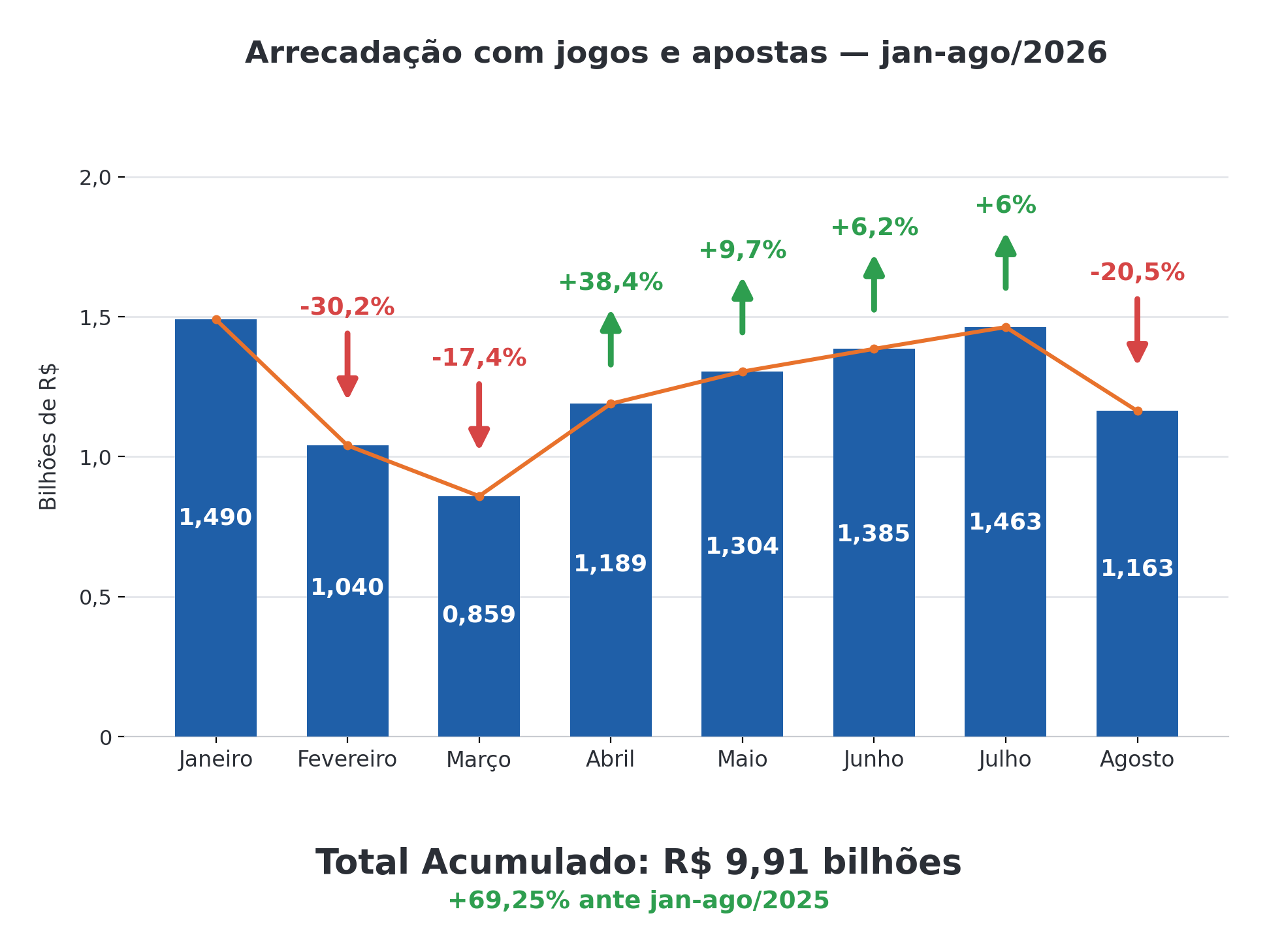
- Brazil shows how quickly a licence stops being an internal checkbox and becomes a market-access requirement. Since regulation was introduced, the country has seen 79 licensed operators, approximately 25,2 million players on authorised platforms, BRL 37 billion in GGR, BRL 10 billion in tax revenue, and BRL 2,5 billion in licence fees. At the same time, authorities blocked more than 25.000 illegal betting sites. That is the market moving from grey area to regulated economy in real time.
Spain shows the other side of a mature market: the market expands while illegal operators are pushed out. The DGOJ has imposed significant sanctions on companies operating without a licence, including fines of between 5 and 10 million euros and a two-year suspension. Ireland is in a different phase altogether: the new Gambling Regulation Act 2024 has created a modern regulatory framework, and the GRAI has received authority.
Related news
All news →

Weekly high-risk digest
Regulation, sanctions and payment news across your verticals — once a week, free.
Please check your inbox and click the link to confirm your subscription.
Please enter a valid email address!