Mastercard expands First-Party Trust to Europe, with EEMEA set for November 2026
Mastercard is rolling out First-Party Trust beyond its existing markets and bringing the program to Europe in July 2027, with EEMEA scheduled for November 2026. For high-risk merchants, the point is simple: this is Mastercard’s attempt to turn “friendly fraud” disputes into evidence-based cases instead of the usual he-said-she-said with an issuer.
- First-Party Trust is Mastercard’s program for first-party, or “friendly,” fraud: cases where the cardholder disputes a legitimate purchase, either deliberately or because they do not recognize the charge on the statement. Mastercard says the volume of chargebacks worldwide is forecast to rise from 261 million in 2025 to 324 million in 2028, which gives you a sense of why issuers and merchants are being pushed toward more structured evidence sharing.
- The rollout timeline is already set: the program has been live in the US, Canada, LATAM, the Caribbean, and APAC since 2024; EEMEA (Eastern Europe, the Middle East, and Africa) is planned for November 2026; and Europe follows in July 2027. In other words, this is not a concept note — it is a phased deployment across major card markets.
- Mastercard gives merchants two ways to send data to the issuer: directly during authorization or later during the dispute process after a chargeback has been raised. The issuer can then receive Mastercard fraud-model signals at authorization, merchant evidence such as purchase, delivery, and authentication data, and the new “compelling evidence” rules. If the dispute meets the program’s data-exchange requirements, the merchant gets chargeback protection.
- For iGaming and other high-risk verticals, this matters because friendly fraud is often the main chargeback pain point: a player loses a deposit and then tells the bank, “I do not recognize this payment.” Today, merchants often lose those cases. First-Party Trust is designed to make those disputes winnable on a repeatable basis, and fewer chargebacks also mean healthier ratios and less exposure to Mastercard monitoring programs, which directly affects the merchant account and reserve size.
- The catch is that the protection is not automatic. It only applies to disputes that satisfy the program’s requirements, so merchants that do not collect and pass the right data get nothing. The source also says it is not yet clear how the program will be applied to MCC 7995 and other high-risk codes. For gambling and betting merchants, the practical response is to start collecting evidence now: 3DS results, login and 2FA data, device and network signals, prior undisputed deposits on the same card, logs showing funds were credited and used, KYC matches, and transaction-linked records rather than data scattered across separate systems.
For digital services, “delivery” does not mean a parcel on a doorstep. In practice, it means you can show that the funds were credited, used, and tied to the same customer and card. That is the kind of paper trail issuers can work with — and the kind merchants should already be building before the program reaches their region.
Related news
All news →
Brazil court orders Betano to refund R$ 128.6 million to a police officer with gambling disorder in the Federal District

Paraná audit court keeps Lottopar instant lottery contract through 2034 and leaves room for accreditation
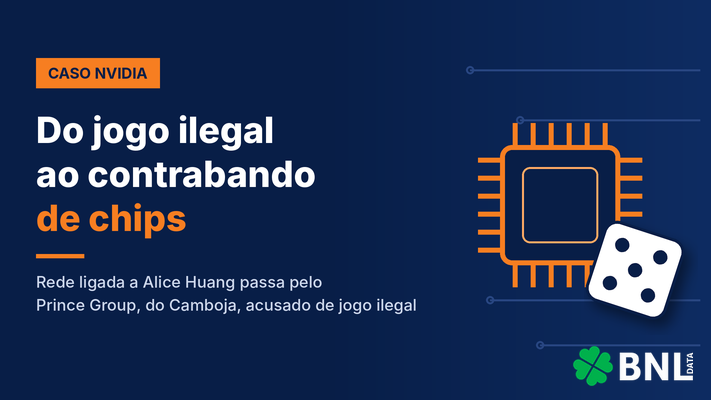
From illegal gambling to chip smuggling: network tied to Alice Huang runs through Cambodian betting group
Weekly high-risk digest
Regulation, sanctions and payment news across your verticals — once a week, free.
Please check your inbox and click the link to confirm your subscription.
Please enter a valid email address!