Home/news/Georgia to reveal its iGaming export regime in August 2026
news
Georgia to reveal its iGaming export regime in August 2026
Payments High Risk
16 Jul 2026 · 1 min read
Georgia plans to present an official “international iGaming jurisdiction” regime in August 2026, with a framework aimed at operators serving customers exclusively outside the country. For PSPs, acquirers, and banking partners, the point is simple: Georgia is trying to turn its existing iGaming services base into a licensing destination, not just a back-office location.
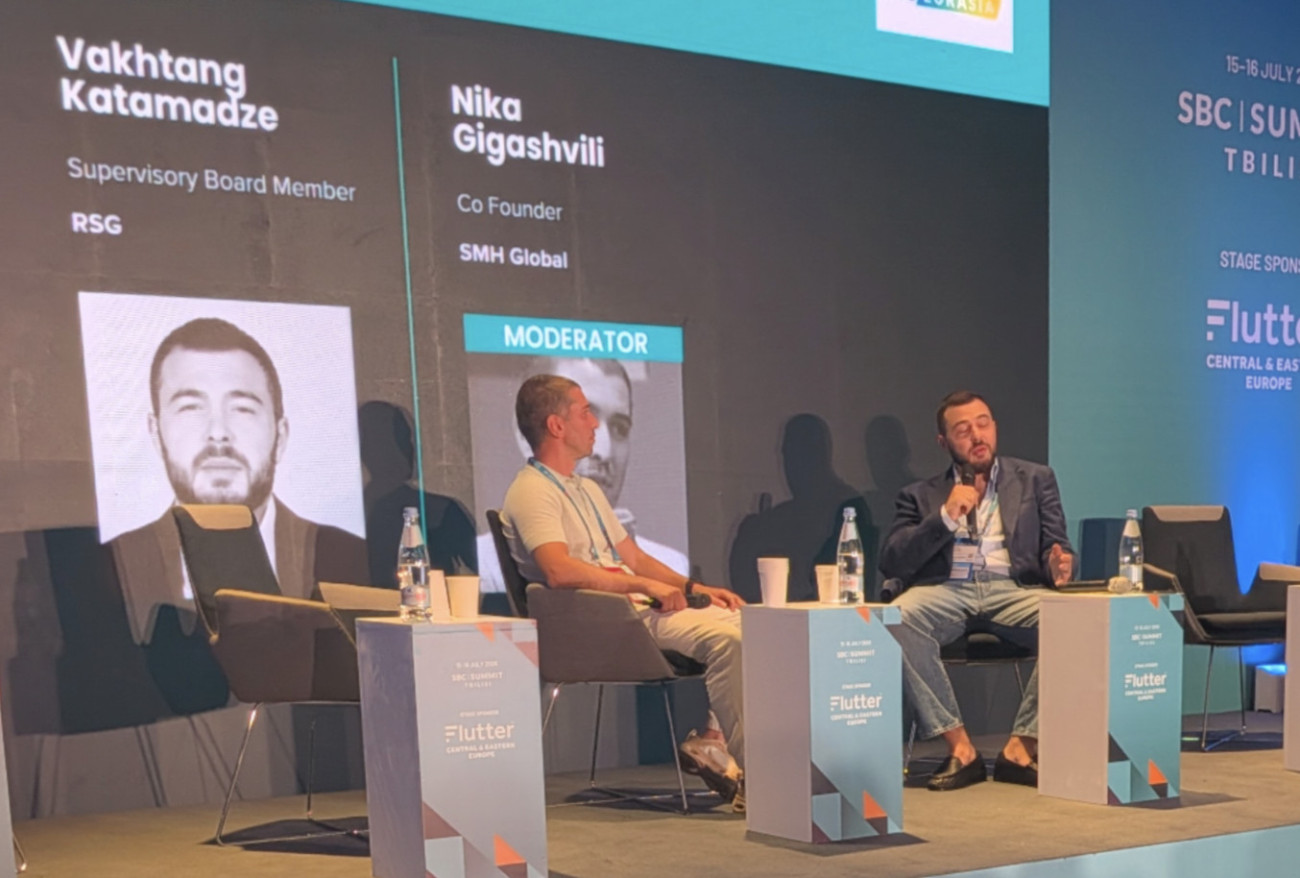
Government officials and policy advisers outlined the plan at SBC Summit Tbilisi on 15-16 July, where they said the regime will be designed as an “export regime” for gambling services, solutions and technologies. The stated aim is to position Georgia as a regulatory gatekeeper for Europe, Central Asia and the Middle East.
Vakhtang Katamadze, Supervisory Board Member of RSG, said August will be “an opportunity for Georgia to present itself to the global industry – not simply as another licensing jurisdiction, but as a long-term investment destination.” He added that Georgia wants to show it can offer “regulatory certainty and institutional confidence” to international businesses.
Georgia already has a visible industry footprint. Flutter Entertainment, Betsson and Entain operate significant technology and service centres in Tbilisi, alongside dozens of suppliers, software developers and live gaming specialists. The country also counts Spribe, SmartSoft, SMH Holdings and Adjara Group among its homegrown names.
The article says the business generates circa 2-3% of Georgia’s GDP. That matters because the new framework is not being pitched as a domestic expansion play: under the proposals, international online casino, sportsbook and gaming licences would be available only to companies targeting foreign markets, while Georgian consumers would remain outside the regime.
Katamadze drew a direct line between Georgia’s approach and a model such as Switzerland, saying Georgia is “not trying to build a larger domestic gambling market” but an export industry. On paper that means a licensing system built around cross-border services, not local demand, which is the part payment companies will care about when they assess merchant mix, risk, and where the customer actually sits.