Home/news/Russia may charge fees on USDT trades as crypto bill moves toward second reading
news
Russia may charge fees on USDT trades as crypto bill moves toward second reading
Payments High Risk
9 Jun 2026 · 1 min read
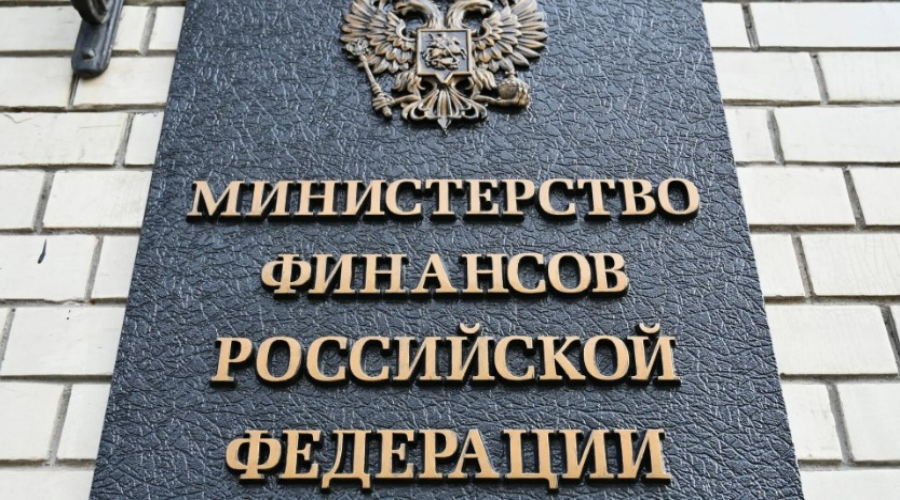
Russia is considering commissions and other restrictions on transactions involving certain cryptocurrencies, including USDT, according to Deputy Finance Minister Ivan Chebeskov. For high-risk payment providers, the important bit is simple: the state is still trying to keep access to dollar stablecoins open on legal venues, but with enough friction to push users toward other assets.
Chebeskov said stablecoins have a structural problem: their issuers can block customer funds. He said the government discussed options ranging from a full ban on dollar stablecoins on legal Russian platforms to a softer regime that would keep access to USDT and similar assets, but with restrictions.
One of those restrictions could be commissions, alongside what Chebeskov described as technical safeguards and “economic incentives” that would encourage citizens to hold other assets. In other words, the policy toolset is not just about banning access; it is also about making some flows less attractive.
The restrictions may be included in a government bill on cryptocurrency turnover control, which Chebeskov said is already ready for its second reading in the State Duma. Anatoly Aksakov, head of the Duma committee on the financial market, told Izvestia that the bill is planned for adoption in June, with its main provisions potentially taking effect by the end of the year.
The size of any crypto trading commission has not been disclosed. Vladimir Chernov, an analyst at Freedom Global, estimated it could range from 0.5% to 2% of the transaction amount for any crypto assets, and be even higher for dollar stablecoins. He also warned that fees set too high could push investors toward unofficial venues.
Other control mechanisms are also under discussion, including transaction volume limits and withdrawal restrictions, according to Denis Astafyev, founder of SharesPro. Separately, Vladimir Chistyukhin, First Deputy Governor of the Bank of Russia, said the regulator will limit the list of cryptocurrencies available to non-professional investors to just three assets: bitcoin, ether and USDT, and does not plan to expand it.
:strip_exif()/i.s3.glbimg.com/v1/AUTH_59edd422c0c84a879bd37670ae4f538a/internal_photos/bs/2026/g/v/tJaiGZRMSifbnZBtN8iQ/novo-projeto-13-.jpg)