Lula says Brazil’s fixed-odds betting regulation failed after 22 months, and the legal market may be shut down
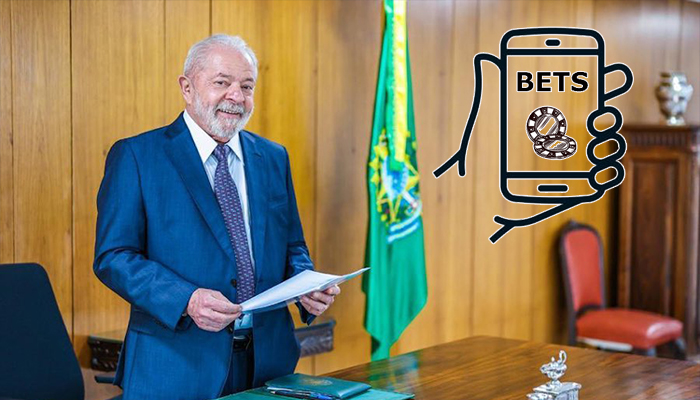
Brazil’s President Luiz Inácio Lula da Silva used a TV interview to justify Provisional Measure 1.394/2026 by saying the country’s betting regulation “did not work.” For PSPs and gambling operators, the real signal is simpler: after 22 months of regulated payments, licensing, KYC, and reporting, the state is moving to shut the legal channel instead of the illegal one.
- Speaking to Band on Sunday (27), Lula said that if regulation did not work, “we would close it. It did not work.” He made the comment two days after signing a total ban on betting and online games in the country, nine days before the first round.
- The irony is hard to miss: the regulatory framework that Lula now describes as a failure was built by his own Ministry of Finance. Between 2024 and 2025, the Secretaria de Prêmios e Apostas (SPA/MF) issued the main rules, charged R$ 30 million for licensing, and required companies to hold minimum capital, maintain headquarters in Brazil, use anti-money-laundering controls, and deploy responsible gaming tools.
- Official figures point to a functioning regulated market, not a dead one. The Ministry of Finance said, via Brazil’s Access to Information Law, that gross gaming revenue (GGR) reached R$ 36.9 billion in 2025 and R$ 20.07 billion in the first half of 2026. The regulated sector was paying taxes, identifying each bettor by CPF and facial recognition, and reporting each transaction to the regulator.
- What did not work was the fight against the illegal market. The Federal Court of Accounts, in Acórdão 1296/2026-Plenário, said unauthorized operators accounted for 41% to 51% of total betting volume in Brazil, with annualized revenues between R$ 26 billion and R$ 40 billion. The audit also said domain monitoring is reactive, relies on complaints and manual searches, and does not coordinate financial and tax tools properly.
- The market’s own associations say more than 66,000 irregular domains have been blocked, yet in a single week in September 6,409 illegal sites were still operating normally, with 14 new illegal addresses appearing per day. In practice, that means the state failed to remove the illegal competitor, and the MP now removes the legal one.
The first operational consequence arrived immediately. On Saturday (26), the Associação Nacional de Jogos e Loterias (ANJL) notified Sportradar that it was ending cooperation on match-fixing prevention and detection. The agreement had been signed in February and included integrity monitoring for sports betting.
Related news
All news →
Russia’s new crypto market is taking shape without P2P, with banks and licensed intermediaries in the middle
The Guardian: Anjouan gambling licences may have been sold by British entrepreneurs as Comoros calls the regime illegal
The Anjouan regulator behind more than 1,500 licences may be run from a UK office by Toby Sorski, The Guardian says
Weekly high-risk digest
Regulation, sanctions and payment news across your verticals — once a week, free.
Please check your inbox and click the link to confirm your subscription.
Please enter a valid email address!