European betting giants warn that too much restriction pushes players into the illegal market
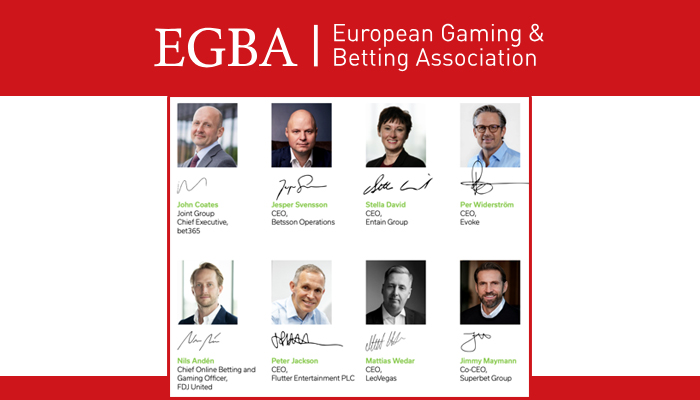
Eight CEOs from EGBA-affiliated operators have signed a joint letter arguing that gambling rules need to be based on evidence, not reflexive tightening. For PSPs, acquirers, and banking partners, the point is straightforward: when regulated channels become harder to use, illegal operators get a better sales pitch.
- The letter, Securing a More Sustainable Future for Regulated Gambling in Europe, was published by the European Gaming and Betting Association (EGBA) in July 2025 alongside its Sustainability Report. The signatories are the CEOs of bet365, Betsson, Entain, Evoke, FDJ United, Flutter, LeoVegas, and Superbet.
- The message to governments and regulators is blunt: overly restrictive rules increase the appeal of the illegal market. The CEOs say the answer is not deregulation, but regulation that stays balanced and is informed by player behavior. In other words, keep the regulated product usable, or the offshore alternative does the selling for you.
- The letter sets out three requests: evidence-based regulation informed by player behavior to steer customers toward the regulated environment; stronger enforcement against operators without a European licence; and a commitment from governments, partners, and sponsors to work only with companies that are licensed and regulated in Europe.
- The text describes the illegal market as made up of operators outside Europe that have no licence, offer bonuses and unlimited access even to vulnerable players, and do so without consumer protection or tax payments. For regulated operators, that is not just a compliance issue; it is a distribution problem.
- The EGBA says its members reported in 2024 around 38 million customer accounts across 21 countries, €3,8 billion in taxes paid, 62 thousand jobs supported, €735 million invested in European sport, 34% of players using safer gambling tools voluntarily, a record 100 million safer gambling messages, and 89% of employees completing safer gambling training. The figures are self-reported by the companies and were not independently audited.
The clearest example in the letter comes from the Netherlands. In 2024, the country introduced spending limits and other player-protection rules, and according to the Kansspelautoriteit (KSA), the Dutch regulator, the legal market’s share of total online gambling revenue fell from 51% in the second half of 2024 to 49% in the first half of 2025.
The Brazilian angle is hard to miss. The source links this debate to MP 1.394/2026, published on 25 September, which banned fixed-odds betting and ended the regulated market on 5 October.
Related news
All news →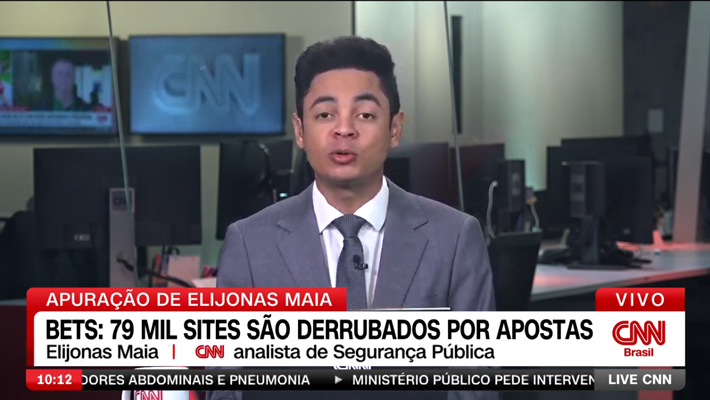
Brazil’s Justice Ministry says it has moved to take down nearly 80,000 betting-related sites and profiles after the MP ban
Brazil’s Federal Police target 25 people in billion-real money laundering cases tied to online betting scams and payment institutions
Russia’s Central Bank Will Share Data on Repeated Incoming Transfers With the Tax Authority Starting January 1, 2027
Weekly high-risk digest
Regulation, sanctions and payment news across your verticals — once a week, free.
Please check your inbox and click the link to confirm your subscription.
Please enter a valid email address!