Cyprus lawmakers weigh bank-data checks to block GMI welfare payments from gambling
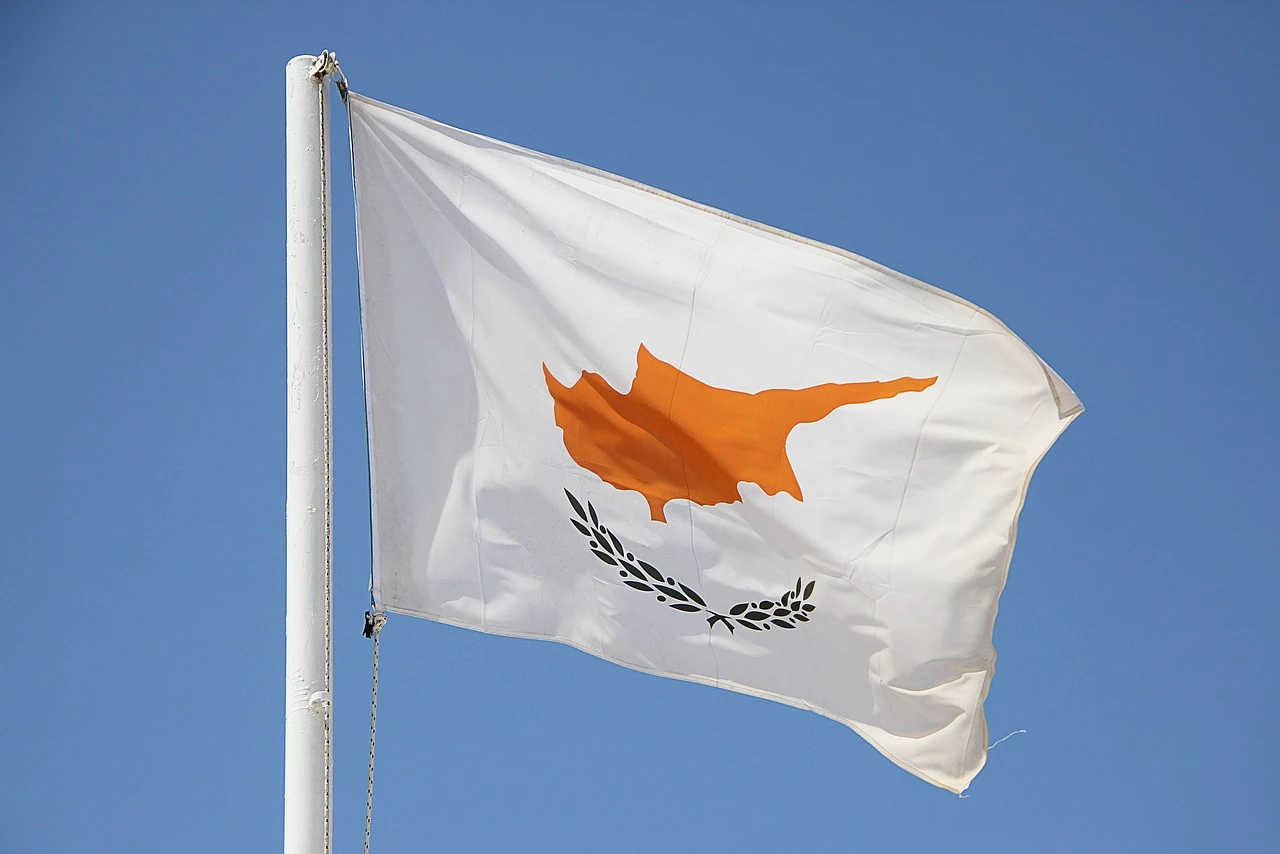
Cyprus is debating whether to cross-check banking data and gambling records to stop Guaranteed Minimum Income (GMI, locally EEE) payments from being used for betting and casino play. For PSPs and acquirers, the important part is not the policy optics; it is the direction of travel: welfare-linked source-of-funds checks, tighter identity matching, and more pressure on operators to flag beneficiary activity.
- Lawmakers and regulators in Cyprus are discussing ways to identify and restrict gambling activity among GMI beneficiaries, according to Cyprus Mail. The meeting last Thursday brought together MPs, the Data Protection Commissioner, the Welfare Benefits Administration Service (WBAS), the Gaming & Casino Supervision Commission and the National Betting Authority (NBA).
- The GMI benefit, known locally as EEE, is described as a “residual payment to guarantee and legal minimum income for all residents.” Anyone living in Cyprus whose income is not enough to cover basic needs is eligible. Cyprus is not the first market to consider this kind of restriction: Brazil introduced a similar ban in 2025.
- Harris Tsangarides, executive director of the Gaming & Casino Supervision Commission, said the regulator had seen spikes in gambling activity around GMI payment dates. That has pushed officials toward a “technical solution” that would cross-reference GMI beneficiary lists with casino membership records.
- The problem, as usual, is that the machine hits the brakes when it meets real-world data. Giannis Vasiliadis, director of WBAS, said access to recipients’ banking information is limited: it can suggest suspicious activity, but it does not conclusively prove gambling transactions. Data Protection Commissioner Maria Christofidou said her office had revisited a 2022 legal opinion and now sees a potential legal basis for more granular access to banking data.
- Christofidou also suggested giving GMI recipients a special card for in-person verification at gambling venues, but MPs warned that would stigmatise welfare recipients. The NBA already runs an online self-exclusion scheme launched in 2024, requiring a mobile number, email address and ID. That matters because around 80% of gambling in Cyprus happens online, which makes digital identification far easier than trying to track anonymous betting at physical venues.
Current gambling rules in Cyprus already restrict minors and people classified as “financially vulnerable,” but GMI recipients are not yet formally in that category. For operators, that is the key regulatory question: whether welfare status becomes a formal exclusion trigger, or whether the state tries to enforce the same outcome through bank-data matching and venue-level verification.
Related news
All news →

Weekly high-risk digest
Regulation, sanctions and payment news across your verticals — once a week, free.
Please check your inbox and click the link to confirm your subscription.
Please enter a valid email address!