Merchants argue Visa-Mastercard card-fee settlement is unconstitutional in Brooklyn court
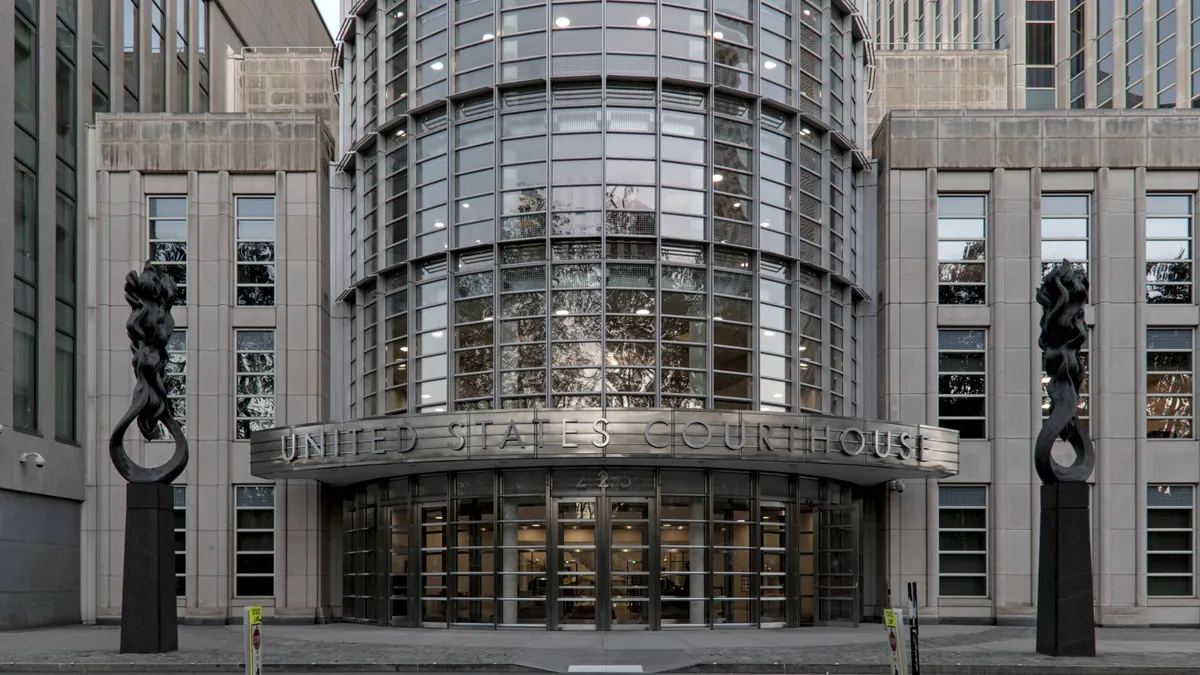
Large merchants, including Walmart and Circle K Stores, are pushing back on the proposed class-action settlement with Visa and Mastercard over card fees, arguing that forcing them into the class violates due process under the Fifth and Fourteenth amendments. For high-risk PSPs and acquirers, the fight matters because it sits at the center of how card-fee disputes get resolved for merchants that process a lot of volume and dislike being told to stay in the class.
- Millions of merchants have been fighting Visa and Mastercard for 21 years over what they view as excessive fees paid every time a customer swipes a credit card. The case is being overseen by U.S. District Judge Brian Cogan in Brooklyn, New York.
- Big merchants and the National Association of Convenience Stores, or NACS, want Cogan to let them opt out of the plaintiffs’ class, or to decertify the class entirely because of its size and diversity. Their core argument is that the court should not force them into a mandatory class seeking injunctive relief from the card networks’ fee practices and the practices of large card-issuing banks.
- Walmart’s Sept. 14 objection, which runs 299 pages, says that “before an absent class member is compelled to participate in a vast reordering of significant economic relationships to which it is a party, due process requires that it be afforded the right to opt-out.” In other words, the retailer is framing the settlement not just as a pricing dispute, but as a constitutional problem.
- NACS made the same point in its own Sept. 14 filing, saying that “NACS and its members who oppose the settlement have a right to their day in court, and a settlement approval they cannot opt out of violates the Fifth Amendment’s Due Process Clause.”
- More than just the opt-out issue is on the table. Hundreds of merchants who do not like the settlement asked Cogan last week to deny final approval altogether. Two earlier settlements in the long-running case were rejected by courts, most recently in June 2024.
Eugene Rome, founder of Rome LLP, called Walmart’s due process and government-seizure arguments “fairly novel,” while also noting that the class includes “vastly different merchants,” which he described as a critical point. For PSPs, that is the practical headache here: when a class covers very different merchant profiles, the legal mechanics can become as important as the fee economics.
Related news
All news →Duelbits reports a hack as sources say $4 million to $7 million may have been taken from hot wallets

Guillermo Bejarano Says iGaming in Latin America Has Moved Into “Dynamic Compliance,” Faster Betting, and Instant Payments
Turkey’s central bank suspends Papel Elektronik Money over illegal gambling probe
Weekly high-risk digest
Regulation, sanctions and payment news across your verticals — once a week, free.
Please check your inbox and click the link to confirm your subscription.
Please enter a valid email address!