UK House of Lords Members Call for a Wide-Scale Ban on Gambling Ads
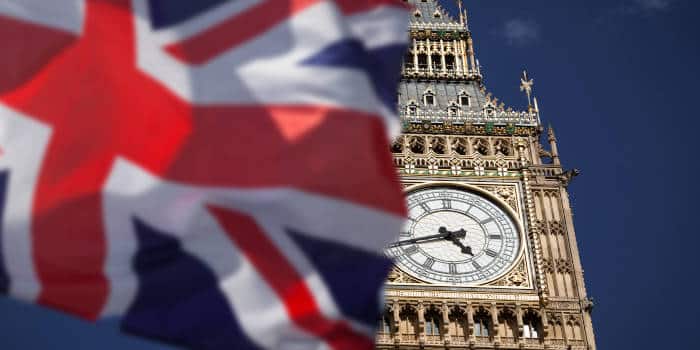
Members of the UK House of Lords are pushing for a full ban on gambling advertising across the country, after a Liaison Committee report said the government has been “too passive” while digital gambling ads kept expanding. For PSPs and acquirers in the sector, the point is simple: if this goes anywhere, it is not just a marketing issue but a demand-side shock for licensed operators.
- The committee said a blanket, tobacco-style ban on gambling advertising, with exemptions for the lottery and racecourses, would be the “most effective” way to reduce harms including financial hardship, relationship breakdown and, in some cases, suicide. The report also said such a ban would likely lead to a contraction of the UK gambling sector.
- That matters because the UK gambling market has already taken a hit from the tax hike the government imposed a few months ago. The report argued that, despite the short-term damage to the sector, the policy could produce longer-term economic benefits by shifting money now spent on gambling into other parts of the economy.
- Gambling advertising in the UK was liberalised under the 2005 Gambling Act, introduced by Tony Blair’s government. Since then, the volume of gambling advertising has surged, with industry spending estimated to have reached GBP 2 billion (about $2.68 billion) in 2024.
- Lord Foster of Bath is one of the ban’s main supporters. His argument is straightforward: gambling should be tolerated, but not stimulated. He also pointed to up to a million and a half people in Britain experiencing problem gambling, saying that restricting most gambling advertising would reduce gambling and, by extension, the problem.
- The Betting & Gaming Council (BGC) took the opposite view and called the report “deeply misguided”. BGC CEO Grainne Hurst said the UK already has strict gambling ad rules designed to protect young people, and noted industry-backed measures such as the whistle-to-whistle advertising ban during live sports broadcasts. Dan Waugh of Regulus Partners also criticized data in a 2025 Gambling Commission report on young people and gambling, including its finding that 30% of those interviewed said they had spent their own money on gambling in the previous 12 months.
The committee did acknowledge the illegal gambling market and its harms, but said that should not prevent further restrictions on licensed operators. For regulated high-risk businesses, that is the real signal here: the debate is no longer about whether gambling ads are socially noisy; it is about how much pressure policymakers are willing to put on legal operators even when the underground market stays in the picture.
Related news
All news →Slothunter says he will personally cover unpaid balances at Yoho after the casino’s June launch

BIS SIGMA in João Pessoa puts Brazil’s betting and lottery market under one roof as the Northeast becomes a growth hub

Brazil’s betting sector fears R$ 120 billion losses if Lula moves to ban online gambling
Weekly high-risk digest
Regulation, sanctions and payment news across your verticals — once a week, free.
Please check your inbox and click the link to confirm your subscription.
Please enter a valid email address!