BIS SIGMA in João Pessoa puts Brazil’s betting and lottery market under one roof as the Northeast becomes a growth hub
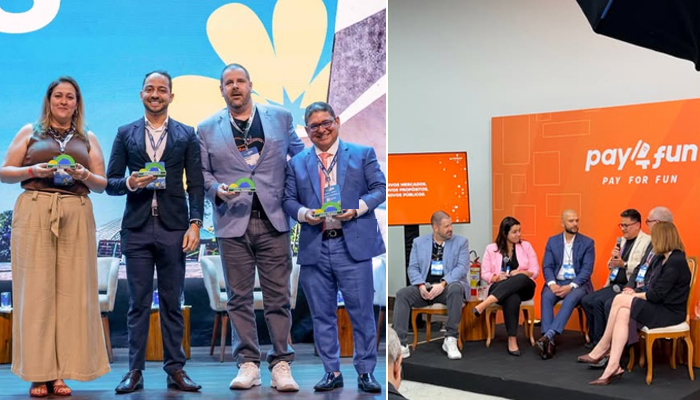
João Pessoa hosted the first northeastern edition of BIS SIGMA on Wednesday, September 16, bringing together more than 600 representatives from Brazil’s regulated gaming, betting, and lottery market. For PSPs, acquirers, and platform providers, the real story is not the conference format — it is the industry trying to coordinate against a market where 41% of betting activity is still estimated to be irregular.
- The event took place at Resort Tauá and was bilingual to accommodate guests from Latin America. Institutional partners included LOTEP, CIBELAE, Loterias Caixa, and Lottopar, which tells you the meeting was not just about operators talking to operators; it was an attempt to pull regulators, lotteries, and infrastructure players into the same room.
- BIS SIGMA president Flávio Figueiredo said the sector has been “taking hits” in recent times and argued that operators, providers, payment methods, media, and other parts of the chain need to speak with “one voice” to become stronger. Co-founder Carlos Cardama put it more bluntly: “The word is unity.”
- The regional angle matters. The Northeast now has 37 brands and 14 companies operating in the fixed-odds betting market, and the article says the region is emerging as a technology hub with platform companies in João Pessoa, Campina Grande, and Recife. In other words, this is not a peripheral market anymore; it is becoming one of the places where the regulated stack is being built.
- The illegal market still sets the pace. According to figures presented at the panels, unlicensed operators account for between 38% and 44% of total betting in Brazil, with an estimated average of 41%. More than 56,000 illegal websites have already been taken down in cooperation with Anatel, yet 84% of betting ads on Instagram would still come from unlicensed operators. For compliant PSPs, that is the backdrop: legal volume exists, but so does a very large gray market competing on distribution and advertising.
- Petrônio Rolim, superintendent of LOTEP, said the activity deserves respect because it contributes economically and protects the bettor and citizen, adding that anyone who wants to play should do so on a regulated platform. Renato Siqueira, president of Loterias Caixa, said Caixa is present in 99% of Brazilian municipalities, with more than 13,000 sales points and R$ 9.2 billion distributed in social transfers in 2025. In the same year, Caixa recorded 238 millionaires, and Lotofácil paid out R$ 323 million.
For high-risk payment providers, the useful signal here is simple: Brazil’s regulated betting and lottery sector is organizing itself around geography, alliances, and enforcement, while the illegal share remains too large to ignore. That combination tends to shape acquiring appetite, fraud pressure, and the politics of who gets to process what.
Related news
All news →

Weekly high-risk digest
Regulation, sanctions and payment news across your verticals — once a week, free.
Please check your inbox and click the link to confirm your subscription.
Please enter a valid email address!