Sweden Bans Duel.com Over Alleged Unlicensed Gambling Operations
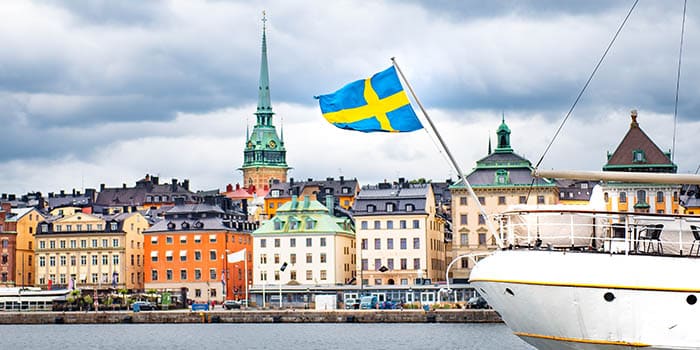
Sweden’s gambling regulator has issued an immediate ban against Immortal Snail LLC, the company behind Duel.com, saying the offshore operator is targeting Swedish players without the required local license. For PSPs and acquiring teams, the useful part is not the drama, but the enforcement logic: language, currency selection, and access controls are all being treated as evidence of market targeting.
- Spelinspektionen, Sweden’s Gambling Authority, said the ban was imposed to protect consumers because Duel.com was still targeting the Swedish market despite not holding a Swedish gambling license. The regulator said Immortal Snail LLC had refused to remove Swedish-language content from the platform.
- As part of its investigation, Spelinspektionen conducted an undercover test purchase, which was unsuccessful. Even so, it found that Swedish was available as a website language, Swedish kronor (SEK) could be selected as a payment currency, and there was no evidence that Swedish users were blocked from registering accounts.
- The operator said it planned to implement IP blocking to prevent access from Sweden, but the regulator said it found no evidence of additional safeguards that would stop Swedish users from reaching the platform through other methods. Spelinspektionen also concluded that even the limited measures described by the company had not been fully implemented.
- In its filing, the regulator said Immortal Snail LLC argued that Swedish is an international language and that Sweden should be subject to IP blocking. The company also said it had no control over whether payments were made in SEK and argued that it should not have to remove Swedish as a language option from the website. Spelinspektionen noted that, at the time of writing, Duel.com no longer offered a Swedish language option.
- The enforcement question is still there because Duel.com is registered at an address in Charlestown, Nevis, in the Federation of Saint Kitts and Nevis, and says it operates under an Anjouan gambling license (No. ALSI-202411026-FI1), issued in the Union of the Comoros. In the same Swedish market, Spelinspektionen also fined Bet365 SEK 44 million (about $4.5 million) for failing to comply with local licensing rules.
The practical takeaway for high-risk payment teams is straightforward: regulators are not only looking at whether a site takes local players, but also at the operational signals around it. Language availability, settlement currency, and the absence of access restrictions can all become part of the case that a merchant is directing traffic into a restricted market.
Related news
All news →

Weekly high-risk digest
Regulation, sanctions and payment news across your verticals — once a week, free.
Please check your inbox and click the link to confirm your subscription.
Please enter a valid email address!